
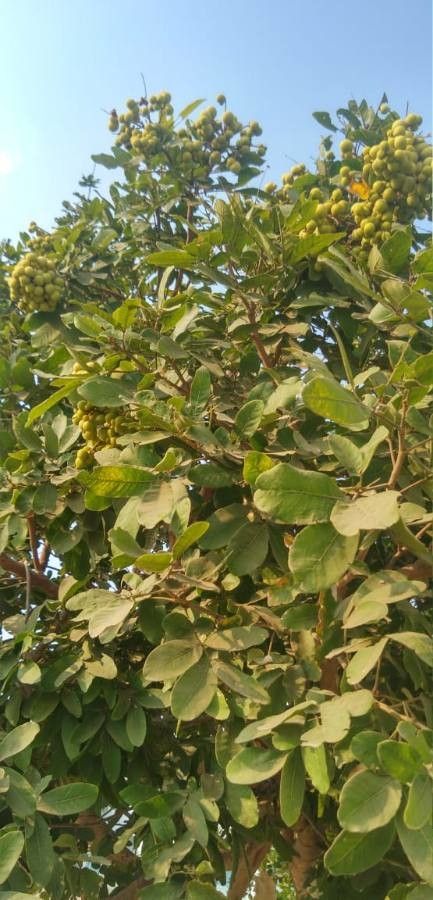
Soapnut Secrets: Growing Sapindus Emarginatus From Seed to Suds
The Sapindus emarginatus, better known as the Indian soapberry or soapnut tree, is not only an attractive addition to your garden but also a source of natural cleaning power. These versatile trees produce berries (soapnuts) containing saponins, a natural surfactant that creates a gentle lather when mixed with water. Intrigued? Then join us as we explore the fascinating world of Sapindus emarginatus propagation and discover how you can grow your own soapnut haven.
From Seed to Sapling: Cracking the Code
The most common and rewarding method of propagating Sapindus emarginatus is through seeds. Freshly harvested seeds offer the highest germination rates. Here’s a step-by-step guide to get you started:
Seed Collection and Preparation: Collect ripe, brown soapnuts directly from the tree or purchase them from a reputable source. Remove the fleshy outer layer and clean the hard, dark brown seeds within.
Scarification (Optional): To enhance germination, gently scarify the seeds. This involves slightly nicking or sanding the hard outer shell to allow water penetration. Be careful not to damage the inner seed.
Soaking: Soak the scarified seeds in warm water for 24-48 hours. This softens the seed coat further and promotes water absorption.
Sowing: Plant the soaked seeds in a well-draining seed-starting mix, burying them about an inch deep. Water well and maintain a consistently moist environment.
- Patience is Key: Germination can take anywhere from a few weeks to a couple of months. Be patient and don’t be discouraged if the seeds take their time to sprout.
Nurturing Your Sapling:
Once your Sapindus emarginatus seeds have germinated and sprouted, it’s time to provide them with the optimal conditions for growth:
- Sunlight: These sun-loving trees thrive in full sun to partial shade. Ensure your seedlings receive at least 6 hours of sunlight daily.
- Watering: Water regularly, allowing the topsoil to dry out slightly between waterings. Avoid overwatering, which can lead to root rot.
- Soil: Sapindus emarginatus prefers well-draining, slightly acidic to neutral soil.
- Fertilizer: Lightly fertilize your young saplings every few months with a balanced fertilizer to boost their growth.
Beyond the Seed: Exploring Other Propagation Methods:
While seed propagation is the most common method, Sapindus emarginatus can also be propagated through other techniques:
- Cuttings: Take semi-hardwood cuttings in late spring or early summer. Treat the cuttings with rooting hormone and plant them in a moist, well-draining medium.
- Air Layering: This advanced method involves promoting root growth on a branch while it is still attached to the parent plant. Once roots develop, the branch can be separated and planted.
Reaping the Rewards: Your Very Own Soapnut Supply
Growing your own Sapindus emarginatus is a rewarding experience that provides not only visual beauty but also a natural alternative to chemical-laden cleaning products. With patience and care, you can cultivate these fascinating trees and enjoy the satisfaction of harvesting your very own soapnuts!
A Note of Caution: While generally considered non-toxic, the sap from Sapindus emarginatus can cause skin irritation in some individuals. It’s always advisable to wear gloves when handling the plant and seeds.
So why wait? Embark on this exciting journey of growing Sapindus emarginatus and unlock the secrets of these sudsy superstars!