
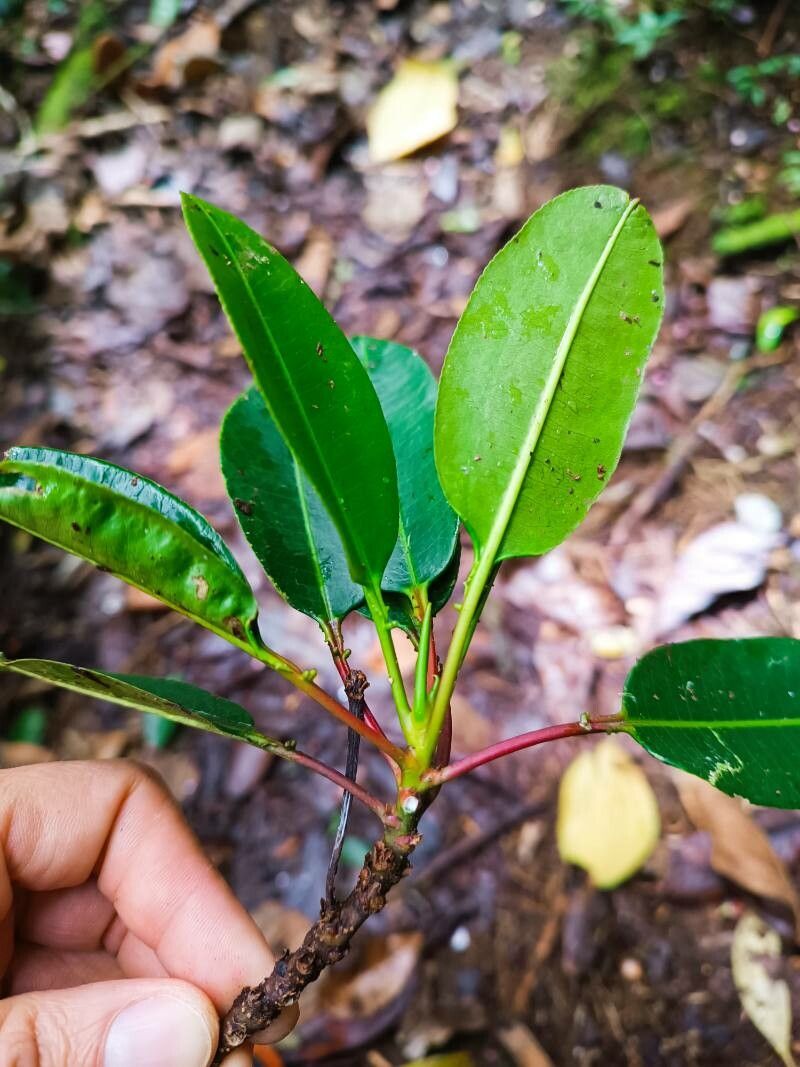
Unlocking the Secrets of Sapium stylare Propagation: A Guide for Plant Enthusiasts
Sapium stylare, also known as the Cloudy Copperleaf or Milkwood, is a fascinating plant with unique foliage and a captivating presence. Native to Australia, this evergreen beauty boasts glossy, copper-tinged leaves that mature to a deep green, adding a touch of elegance to any garden.
While its beauty is undeniable, many plant enthusiasts shy away from Sapium stylare due to its finicky propagation requirements. But fear not! With the right knowledge and a touch of patience, you too can unlock the secrets to successfully propagating this stunning species.
Two Main Methods: Seeds and Cuttings
Propagating Sapium stylare can be achieved through two primary methods: seeds and cuttings. Each has its own set of advantages and challenges:
1. Seed Propagation:
- Pros: Seeds offer the potential for larger quantities of plants and can be a cost-effective option.
- Cons: Seed viability can be inconsistent, germination rates are often low, and the process requires more time and patience.
Collecting and Sowing Seeds:
- Harvest ripe fruit: Collect the small, capsule-like fruits directly from the plant when they turn brown and start to split open.
- Extract and clean the seeds: Carefully remove the seeds from the capsules and clean off any debris or remaining fruit flesh.
- Pre-treat seeds (optional): Soaking the seeds in warm water for 24 hours can help soften the outer shell and potentially improve germination rates.
- Sow seeds in a well-draining mix: Use a seed-starting mix that retains moisture but drains well. Sow the seeds shallowly, covering them with a thin layer of the mix.
- Provide warmth and moisture: Place the seed tray in a warm, bright location, ensuring the soil remains consistently moist but not waterlogged.
- Be patient: Germination can be erratic and may take several weeks or even months.
2. Propagation from Cuttings:
- Pros: This method generally offers faster results and a higher success rate than seed propagation.
- Cons: Requires access to a healthy parent plant for cuttings.
Taking and Rooting Cuttings:
- Choose the right time: Late spring or early summer is the optimal time to take cuttings when the plant is actively growing.
- Select healthy stems: Look for firm, young stems that haven’t flowered yet. Using sharp, sterilized shears, cut a 4-6 inch section from the tip of the stem, making the cut just below a leaf node.
- Prepare the cutting: Remove the leaves from the lower third of the cutting and wound the base slightly to expose the cambium layer.
- Use rooting hormone (optional): Dipping the base of the cutting in a rooting hormone can help promote root development.
- Plant in a suitable medium: Insert the prepared cutting into a well-draining potting mix, burying at least one leaf node.
- Provide humidity and warmth: Cover the cutting with a plastic bag or humidity dome to create a greenhouse-like environment. Place it in a warm, bright location, out of direct sunlight.
- Monitor moisture: Keep the potting mix consistently moist but avoid overwatering.
- Check for roots: After a few weeks, gently tug on the cutting to check for resistance, which indicates root formation.
Nurturing Your New Sapium stylare:
Whether you choose seeds or cuttings, remember that patience is key. Once your new plants have developed a robust root system and show signs of vigorous growth, they can be gradually acclimated to their intended growing conditions. Provide them with well-drained soil, regular watering, and dappled sunlight to help them thrive.
Propagating Sapium stylare might seem daunting at first, but with the right techniques and a bit of perseverance, you can experience the joy of cultivating these captivating plants yourself. So go ahead, embrace the challenge, and enjoy the rewards of watching your very own Cloudy Copperleaf flourish!