
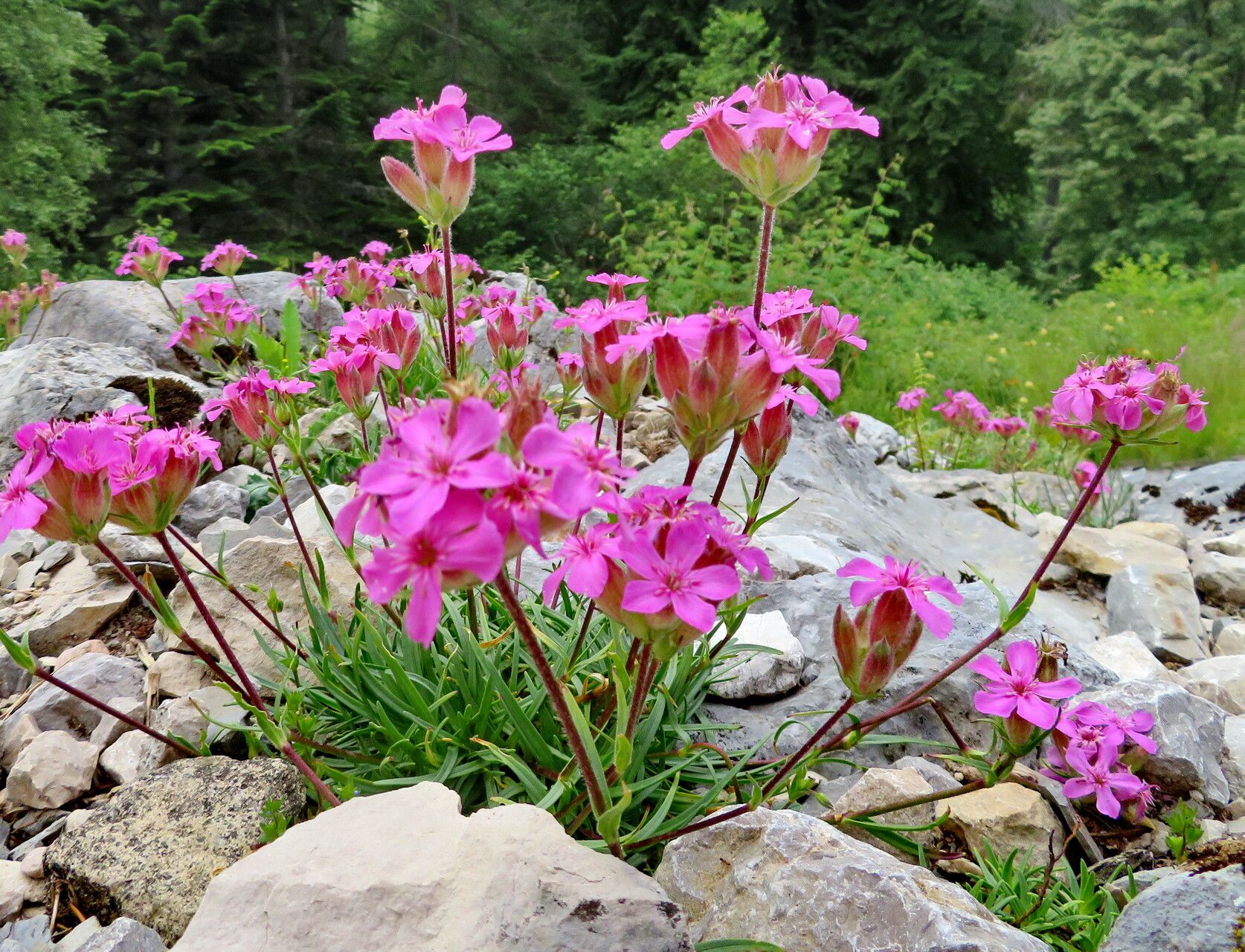
Propagating Saponaria caespitosa: Taming the Tufted Soapwort
Saponaria caespitosa, commonly known as tufted soapwort, is a charming alpine plant prized for its dense, low-growing habit and profuse displays of delicate, pink or white flowers. Its resilience and captivating blooms make it a desirable addition to rock gardens, alpine troughs, and other dry, sunny locations. However, its propagation presents unique challenges, making successful cultivation particularly rewarding. While readily available from nurseries, understanding its propagation methods allows for expansion of existing plants and potentially introducing genetic diversity.
Seed Germination:
Currently, there are no known reliable methods for seed germination propagation of Saponaria caespitosa. While the plant does produce seeds, germination rates are notoriously low, and successful germination under typical horticultural conditions has not been widely documented. Further research into specific stratification techniques or other pre-treatment methods might be necessary to unlock this propagation pathway.
Cuttings:
Cuttings offer a more promising method for propagating Saponaria caespitosa.
Challenges: Success depends heavily on timing and technique. Hardwood cuttings taken in late autumn or winter have a low success rate. Softwood cuttings, taken in spring or early summer from non-flowering stems, are generally preferred. The plant’s tendency towards low growth and relatively few stems can limit the quantity of cuttings available from a single plant.
Practical Tips: Use sharp, clean tools to take cuttings approximately 5-8cm long, removing lower leaves to prevent rot. Dip the cut ends in rooting hormone before planting in a well-draining seed-starting mix or a mixture of perlite and vermiculite. Maintain consistently moist but not soggy conditions, ideally under a humid propagator or clear plastic cover. Root development can be slow, taking several weeks or even months.
Rewards: Cuttings offer a reliable method to increase the number of plants, preserving the genetic characteristics of the mother plant. This method is efficient for smaller-scale propagation and allows selective propagation of superior specimens exhibiting desirable traits.
Division:
Division is perhaps the most straightforward method for propagating Saponaria caespitosa.
Challenges: The plant’s compact growth habit means that divisions will be relatively small. This can initially limit the number of propagules for large-scale cultivation. It’s important to avoid damaging the delicate roots during division.
Practical Tips: The best time for division is in early spring or autumn. Carefully lift the entire plant, gently teasing apart the clump into smaller sections, ensuring that each section possesses adequate roots and shoots. Replant the divisions promptly in well-drained soil, keeping them consistently moist until established.
Rewards: Division is a relatively simple and effective technique that ensures a high success rate. It is ideal for maintaining existing plantings or for limited expansion with minimal risk.
Tissue Culture:
Tissue culture propagation of Saponaria caespitosa has not been widely reported. This method, while potentially offering large-scale propagation and disease-free plants, is resource-intensive, requiring specialized equipment and expertise. Further research is needed to determine its feasibility.
Conclusion:
Propagating Saponaria caespitosa presents its share of hurdles, with seed germination proving unreliable. Cuttings and division offer more promising avenues, demanding attention to detail and patience. While tissue culture remains largely unexplored, the rewards are well worth the effort. Successfully nurturing a tiny cutting into a thriving clump, or coaxing a division to flourish, offers a deep sense of accomplishment that transcends the challenges involved. Aspiring propagators should choose the method that best suits their skill level and resources, remembering that patience and careful attention to detail are key to success with this rewarding alpine plant.