
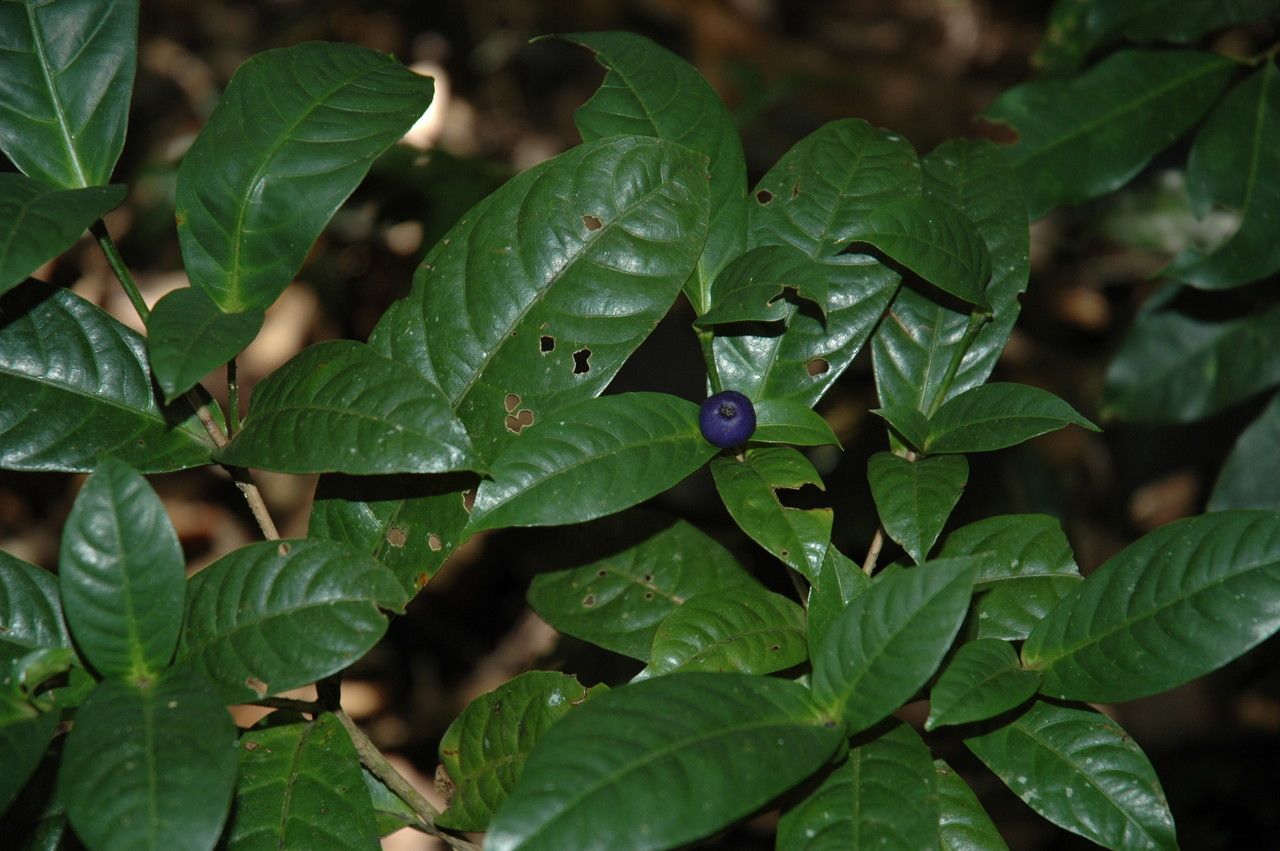
Taming the Stinky Cheese Plant: Propagating Saprosma foetens
The plant world holds a treasure trove of oddities, and Saprosma foetens, affectionately nicknamed the “stinky cheese plant,” is no exception. This Southeast Asian native is not for the faint of heart, boasting a pungent aroma reminiscent of, you guessed it, strong cheese! But beneath its pungent exterior lies an attractive, shade-loving shrub with glossy leaves and unique red veins. If you’re brave enough to embrace its odorous charm, propagating Saprosma foetens can be a rewarding experience.
Understanding the Stinky Cheese Plant
Before diving into propagation, it’s essential to understand this plant’s needs. Saprosma foetens thrives in humid environments, mimicking its natural rainforest habitat. It prefers dappled shade or indirect sunlight and well-draining, slightly acidic soil. While it can tolerate some dryness, consistent moisture is key to its happiness.
Propagation Techniques
The stinky cheese plant can be propagated through two primary methods:
1. Stem Cuttings:
This method offers the highest success rate and is best undertaken during the plant’s active growing season (spring and early summer). Here’s a step-by-step guide:
- Preparation is Key: Gather your supplies, including sharp pruning shears, a rooting hormone (optional but recommended), a small pot or tray, and well-draining potting mix.
- Take the Cut: Select a healthy, non-flowering stem about 4-6 inches long. Make a clean cut just below a leaf node. Remove the lower leaves, leaving 2-3 at the top.
- Hormone Boost (Optional): Dip the cut end in rooting hormone to encourage faster root development.
- Planting Time: Plant the cutting in the prepared pot, burying the bottom node. Gently firm the soil around the cutting.
- Create a Humid Haven: Mist the cutting and cover the pot with a clear plastic bag or a humidity dome to trap moisture. Place it in a warm, shaded location.
- Patience is a Virtue: Rooting can take several weeks. Keep the soil consistently moist but not waterlogged. Once new growth appears, you can gradually acclimate the cutting to normal humidity levels.
2. Seeds:
While less common and potentially more challenging, propagation through seeds is possible.
- Source Your Seeds: Obtain fresh seeds from a reputable supplier or collect them from ripe fruit (if you can handle the smell!).
- Pre-treat (Optional): Soaking the seeds in warm water for 24 hours can help soften the outer shell and encourage germination.
- Sow with Care: Plant the seeds in a well-draining seed-starting mix, covering them lightly with soil.
- Warmth and Moisture: Maintain a warm temperature and keep the soil consistently moist using a spray bottle to avoid disturbing the seeds.
- Time to Sprout: Germination can be erratic and may take several weeks or even months. Be patient and don’t lose hope!
Caring for Your Stinky Cheese Offspring
Once your new Saprosma foetens plants are established, continue providing them with the same care as the parent plant – bright, indirect light, consistently moist soil, and moderate humidity. Regular fertilization during the growing season will keep them thriving.
Embrace the Challenge!
While the Saprosma foetens‘ aroma might not be for everyone, its unique look and relatively easy propagation make it an interesting addition to any plant lover’s collection. So, if you’re ready for a horticultural adventure and don’t mind a little stink, give this unusual plant a try. You might just find yourself charmed by its pungent personality.