
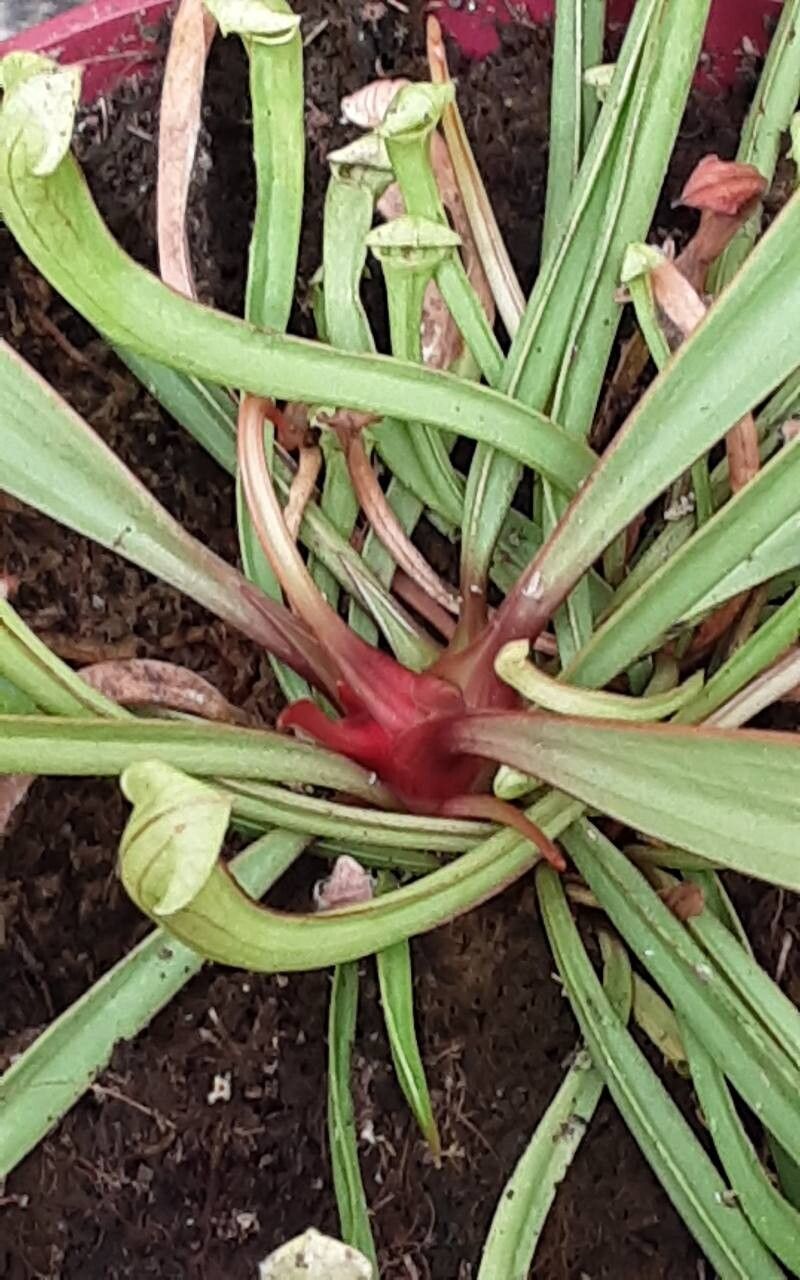
Parrot Pitcher Plant Propagation: Multiply Your Carnivorous Collection
Sarracenia psittacina, the fascinating Parrot Pitcher Plant, is a carnivorous wonder that captures imaginations and insects alike. If you’re lucky enough to have one gracing your home, you might be wondering how to expand your collection. Fortunately, propagating these captivating plants is achievable and rewarding. Let’s delve into the world of Sarracenia psittacina propagation!
Methods for Multiplying Your Parrot Pitcher:
While Sarracenia psittacina primarily reproduces through seeds, there’s another surprisingly effective method:
Seed Propagation: This method, while requiring patience, offers a rewarding journey from seed to stunning plant. Collect seeds from mature pitcher plants in late summer or fall. The key to success lies in mimicking their natural environment:
- Stratification: Simulate winter dormancy by placing the seeds in a damp paper towel within a sealed plastic bag. Refrigerate them for 4-6 weeks.
- Sowing: Fill a tray with a 50/50 mix of peat moss and perlite. Sprinkle the stratified seeds on the surface without burying them.
- Moisture & Light: Mist the soil regularly, keeping it consistently moist but not waterlogged. Provide bright, indirect light.
- Patience: Germination can take anywhere from a few weeks to a few months. Once seedlings emerge, thin them out as needed.
Division: Sarracenia psittacina often produces offshoots—smaller plants growing from the base of the parent. Dividing these is a faster way to get new, mature plants:
- Timing: Divide during the active growing season—spring is ideal.
- Removal: Carefully remove the plant from its pot. Gently separate the offshoots, ensuring each division has a good root system.
- Repotting: Plant the divisions in individual pots with the same soil mix used for seedlings. Water them well.
Care for Your New Parrot Pitchers:
- Soil: Always use a carnivorous plant mix. These plants thrive in nutrient-poor, acidic soil that mimics their natural bog habitat.
- Water: Use distilled water or rainwater. Tap water contains minerals that can harm these sensitive plants. Water from the bottom by placing the pot in a tray filled with water, allowing the soil to absorb moisture upwards.
- Light: Provide at least 6 hours of bright, indirect light. A south-facing window is ideal.
- Feeding: While they obtain nutrients from trapping insects, occasional feeding with freeze-dried bloodworms or fish food can supplement their diet, especially for indoor plants.
A Rewarding Endeavor:
Propagating your Sarracenia psittacina is a fulfilling experience that allows you to witness the fascinating lifecycle of these intriguing plants. Whether you choose to sow seeds or divide established plants, the joy of watching new Parrot Pitchers thrive makes the effort worthwhile. Soon, you’ll have a captivating collection of these carnivorous wonders, each one a testament to your patience and care.