
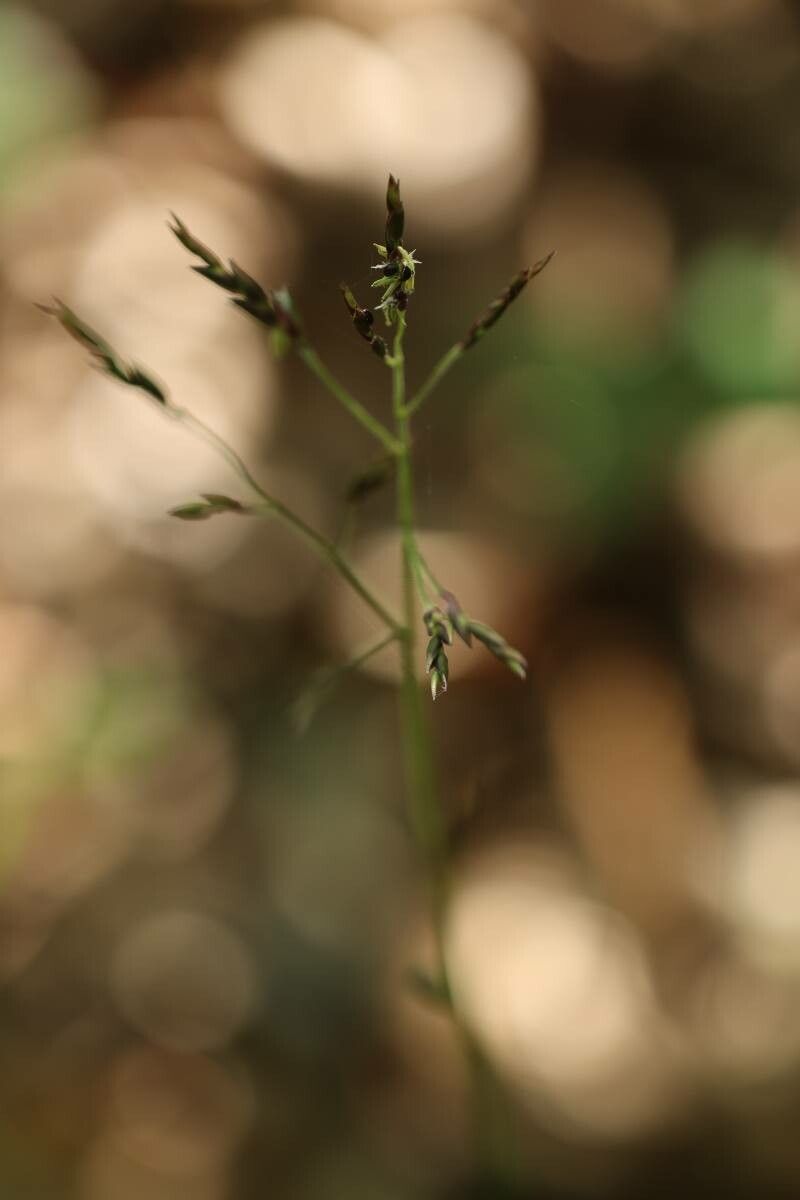
Unlocking the Secrets of Sasa Senanensis: A Guide to Propagation
Sasa senanensis, also known as the Korean Dwarf Bamboo, is an elegant and versatile plant that can add a touch of zen tranquility to any garden. This hardy, clumping bamboo species is relatively low-maintenance, making it an attractive option for both novice and experienced gardeners. However, many find themselves wondering about the best methods for propagating Sasa senanensis. This guide will explore the different techniques you can use to successfully multiply your bamboo haven.
Understanding Sasa Senanensis
Before diving into propagation, it’s helpful to understand the plant’s growth habit. Sasa senanensis spreads through underground stems called rhizomes. These rhizomes send out new shoots, creating a dense clump that gradually expands over time. This understanding is key to choosing the right propagation method.
Two Primary Propagation Techniques
There are two main ways to propagate Sasa senanensis:
- Division: This is the most common and arguably easiest method, particularly for established plants.
- Seed Propagation: While possible, it’s less common due to the longer germination time and lower success rate.
Dividing Your Sasa Senanensis
Dividing your Sasa senanensis is best done in early spring or late fall. Here’s a step-by-step guide:
- Prepare: Water the parent plant thoroughly a day or two before dividing to reduce stress.
- Digging Up: Carefully dig around the perimeter of the clump you want to divide, ensuring you don’t damage the rhizomes.
- Dividing the Clump: Gently tease apart sections of the rhizome, making sure each division has at least three healthy canes and a robust root system.
- Planting: Replant the divisions immediately in well-draining soil, ensuring the top of the root ball is level with the ground. Water thoroughly.
Propagating from Seed
Propagating Sasa senanensis from seed requires more patience, but it can be a rewarding process. Here’s how it’s done:
- Seed Collection: Collect ripe seeds, which are typically light brown and found within the bamboo’s flowering structures.
- Sowing: Sow the seeds in a seed-starting mix, lightly covering them with soil.
- Moisture and Warmth: Keep the soil consistently moist and provide warmth (around 70°F or 21°C).
- Patience is Key: Germination can take several weeks to months.
- Transplanting: Once the seedlings have developed a strong root system, they can be transplanted to larger pots or outdoors.
Caring for Your New Bamboo Plants
Regardless of your chosen propagation method, providing the right care is crucial for success.
- Water: Keep the soil consistently moist but not waterlogged.
- Sunlight: Sasa senanensis thrives in partial shade to full shade.
- Fertilization: Fertilize in spring with a balanced, slow-release fertilizer.
Conclusion
Propagating Sasa senanensis, while requiring a bit of patience and care, is an achievable endeavor. By understanding the plant’s growth habit and following these propagation methods, you can multiply your bamboo collection and enjoy the tranquil beauty of this remarkable plant for years to come.