
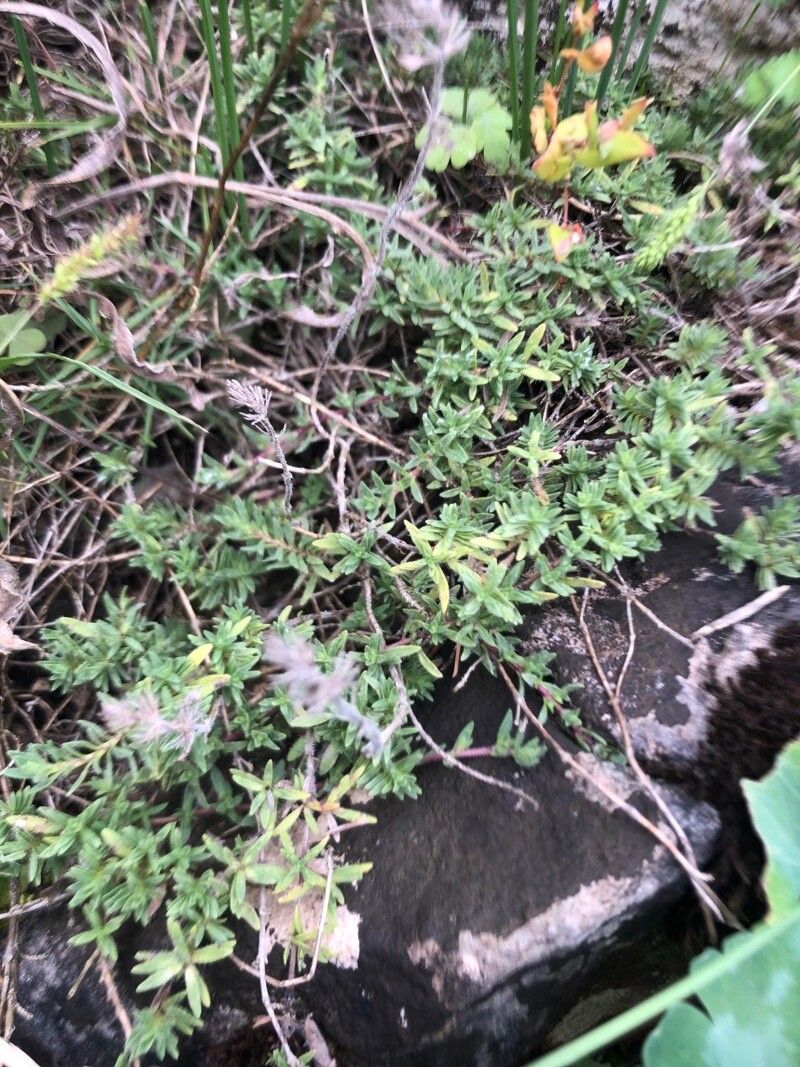
From Seed to Spice: How to Easily Propagate Satureja Rumelica (Greek Savory)
If you’re looking for a tasty and versatile herb to add to your garden, look no further than Satureja rumelica, also known as Greek savory. This hardy perennial boasts a robust flavor that’s both familiar and exotic, making it ideal for enhancing everything from stews and soups to roasted vegetables and egg dishes. But the best part? Propagating this wonderful herb is incredibly easy, even for beginner gardeners!
The Joy of Propagation
Propagation is the art of creating new plants from existing ones. This can be done in a number of ways, but we’ll focus on the two most popular methods for Satureja rumelica:
1. Seed Propagation: From Tiny Seed to Lush Herb
- Timing is Key: Sow seeds indoors 6-8 weeks before the last frost date in your area. You can also direct sow seeds outdoors after the last frost.
- Starting the Seeds: Fill seed trays or pots with a well-draining seed starting mix. Gently press the seeds into the soil, spacing them about 1/2 inch apart. Cover them with a thin layer of soil, water thoroughly, and place them in a warm, sunny location.
- Watch for Sprouts: Expect seedlings to emerge in 7-14 days. Keep the soil moist, but not overly wet. Once true leaves develop, you can thin the seedlings, leaving the strongest ones to thrive.
2. Cuttings: A Quick and Easy Solution
- Timing is Everything: The best time to take cuttings is in the spring or early summer when the plant is actively growing.
- Taking Cuttings: Select healthy stem tips that are about 4-6 inches long. Use a sharp knife or shears to make a clean cut just below a leaf node. Remove the lower leaves from the cutting.
- Root Development: Dip the cut end of your cutting into rooting hormone powder or solution. Pot the cuttings into a mixture of equal parts peat moss, vermiculite, and perlite. Keep the cuttings in a warm, bright spot, and mist them regularly to keep the soil moist.
- Transplanting: The cuttings should start to root within 2-4 weeks. Once they’ve developed a good root system, you can transplant them into larger pots or directly into the garden.
Tips for Success:
- Location, Location, Location: Greek savory loves full sun and well-drained soil. Choose a sunny spot in your garden where the soil is loose and free of excessive moisture.
- Water Wisely: While Greek savory tolerates some drought, it performs best with regular watering, especially while establishing.
- Harvesting: Cut stems back regularly to encourage bushier growth and prevent the plant from becoming leggy. The best time to harvest is in the morning after the dew has dried.
- Enjoy the Flavor: Satureja rumelica’s leaves can be used fresh or dried. It can be added to dishes during cooking, or sprinkled on top as a garnish.
From Your Garden to Your Table
Propagating Satureja rumelica (Greek savory) is a fulfilling and rewarding experience. With its beautiful fragrant foliage and robust, versatile flavor, this herb is sure to become a cherished part of your garden and your culinary adventures. So, why not give it a try and enjoy the savory satisfaction of growing your own delicious spice?