
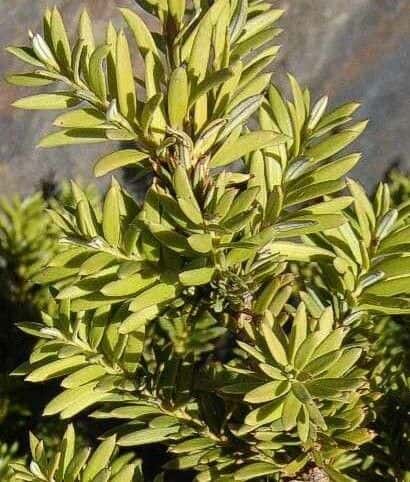
Conquering the Conifer: Propagating the Majestic Prince Albert’s Yew
The Prince Albert’s Yew, or Saxegothaea conspicua, is a majestic evergreen conifer hailing from the temperate rainforests of Chile and Argentina. With its distinctive, yew-like foliage and impressive stature, this unique tree can be a stunning addition to gardens in suitable climates. However, finding one at your local nursery can be like searching for the proverbial needle in a haystack. So, how do you welcome this regal conifer to your landscape? The answer lies in the rewarding, though often patient, process of propagation.
Seeds of Success (And Patience!):
Propagating Prince Albert’s Yew from seed is the most common method, albeit one requiring a significant time investment. Here’s a step-by-step guide:
Seed Collection and Storage: Ideally, collect seeds from mature cones in late fall or early winter. If obtaining seeds commercially, ensure they are fresh. Store seeds dry and cool until springtime.
Stratification for Sprouting Success: Prince Albert’s Yew seeds benefit from a period of cold stratification to mimic natural winter conditions and break dormancy. In late winter, place the seeds in a moist mix of peat moss and vermiculite, seal them in a plastic bag, and refrigerate for 6-8 weeks.
Sowing the Seeds: Once stratified, sow the seeds in a well-draining seed starting mix. Cover lightly with the mix and keep consistently moist but not waterlogged.
- Patience, Young Padawan: Germination can take anywhere from a few weeks to several months. Be patient and continue to provide consistent moisture and bright, indirect light.
Taking the Cutting Edge:
While more challenging, propagating from semi-hardwood cuttings offers a quicker route to a mature tree. Here’s how to increase your chances of success:
Timing is Everything: Take cuttings in late summer or early fall when the growth is beginning to harden.
Choosing the Right Cut: Select healthy, non-flowering shoots of the current year’s growth. Cuttings should be 4-6 inches long with a heel of older wood attached.
Hormonal Help: Dip the cut end in rooting hormone to encourage root development.
Creating a Humid Haven: Plant the cuttings in a mix of peat and perlite. Maintain high humidity by covering the pot with a plastic bag or placing it in a propagator.
- Exercise Patience (Again!): Rooting can take several weeks. Once roots develop, gradually acclimate the cuttings to normal humidity before transplanting.
Worth the Wait:
While propagating Prince Albert’s Yew requires patience and dedication, success is incredibly rewarding. Imagine the satisfaction of nurturing a majestic conifer from a tiny seed or cutting. The slow growth rate (less than a foot per year) makes this an excellent specimen tree for smaller gardens, adding year-round structure and timeless beauty to your landscape.