
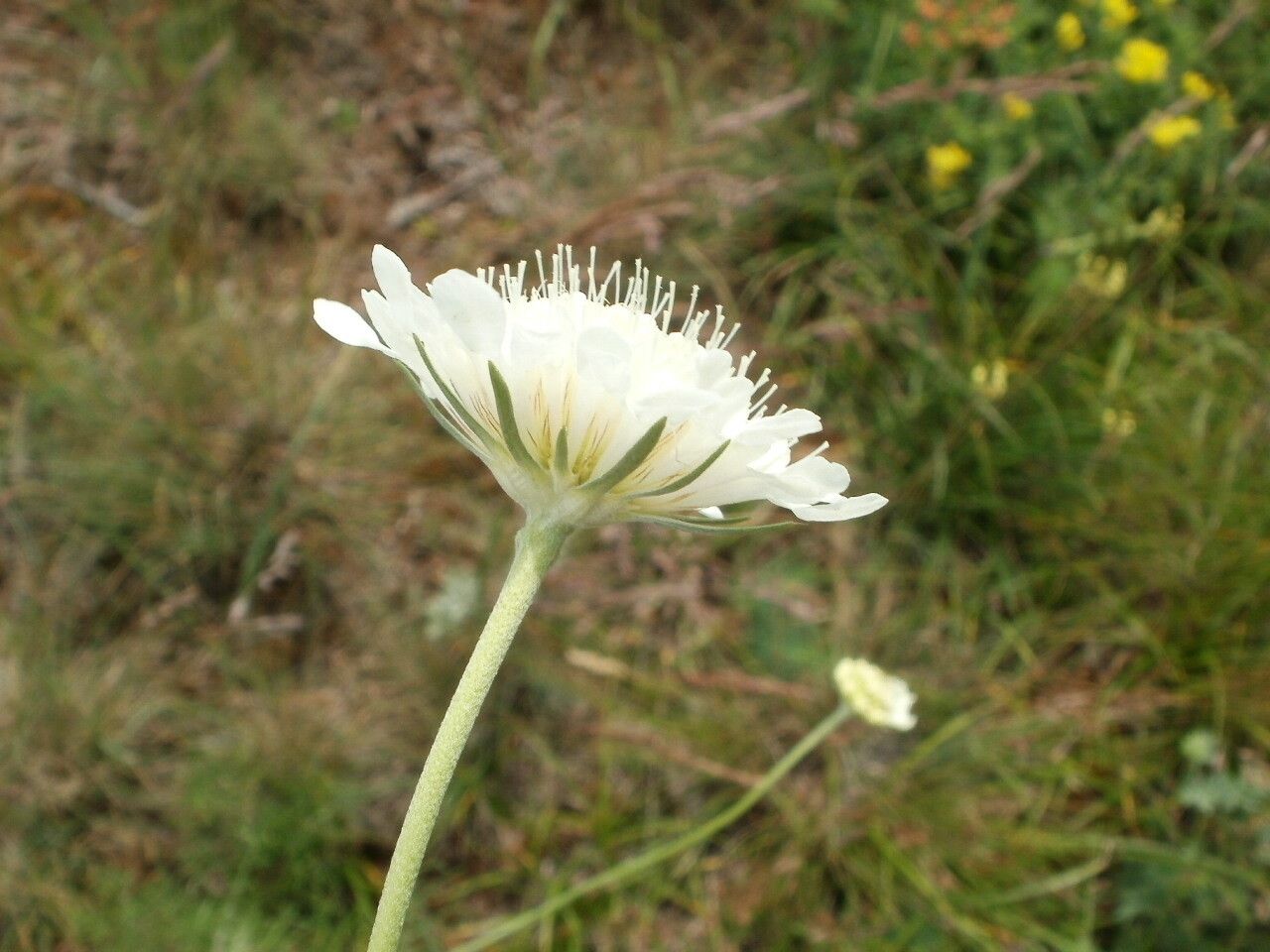
Beyond the Bloom: Mastering Scabiosa Trinifolia Propagation
Scabiosa trinifolia, with its charming pincushion blooms and airy foliage, adds a touch of whimsy and delicate beauty to any garden. But did you know that perpetuating this floral enchantment is well within your grasp? Propagating Scabiosa trinifolia is a surprisingly approachable endeavor, even for novice gardeners, and opens the door to a garden brimming with these captivating blooms year after year.
Here’s a deep dive into the most effective propagation methods for Scabiosa trinifolia, empowering you to multiply your floral bounty with confidence:
1. Seed Starting: A Dance with Patience
- Timing is Key: Begin seed starting in late winter or early spring, about 6-8 weeks before the last expected frost in your region.
- Sowing the Seeds: Choose a well-draining seed starting mix and sprinkle the seeds on the surface. Gently press them into the soil but avoid burying them deeply – light is essential for germination.
- Warmth and Moisture: Place the seed tray in a warm location (around 70°F) and keep the soil consistently moist but not soggy.
- Germination: Patience is a virtue! Germination can take anywhere from 2-4 weeks.
- Transplanting Triumph: Once seedlings develop a few sets of true leaves, transplant them into individual pots. Harden them off gradually before introducing them to their permanent outdoor home after the last frost.
2. Division: Sharing the Floral Wealth
- When to Divide: Spring or early fall, when the plant is actively growing, are ideal times for dividing established clumps.
- Dividing with Care: Carefully dig up the plant, ensuring you retain a good root system. Gently tease apart the clump into smaller sections, each with its own roots and shoots.
- Replanting for Success: Replant the divisions at the same depth they were originally growing, water them well, and watch them flourish!
3. Cuttings: Cloning Floral Elegance
- Prime Cutting Time: Early summer is optimal for taking cuttings.
- Selecting the Perfect Cuttings: Choose healthy, non-flowering stems. Cut a 4-6 inch section just below a leaf node, and remove the lower leaves.
- Encouraging Root Development: Dip the cut end in rooting hormone (optional but beneficial!) and plant the cutting in a pot filled with a well-draining rooting medium.
- Creating a Humid Environment: Cover the pot with a plastic bag or humidity dome to trap moisture and promote rooting.
- Rooting Success: After 4-6 weeks, gently tug on the cutting to check for resistance, a telltale sign of root development. Once rooted, gradually acclimate the new plant to outdoor conditions before transplanting.
Tips for Propagation Success:
- Well-Draining Soil is Non-Negotiable: Scabiosa trinifolia thrives in well-draining soil and is susceptible to root rot in overly wet conditions.
- Sunlight is Essential: Choose a planting location that receives at least 6 hours of sunlight daily for optimal growth and flowering.
- Deadheading for Continuous Blooms: Regularly remove spent flower heads to encourage the plant to produce more blossoms.
By embracing these propagation techniques, you can unlock a world of enchanting blooms and transform your garden into a haven of captivating Scabiosa trinifolia, year after year.