
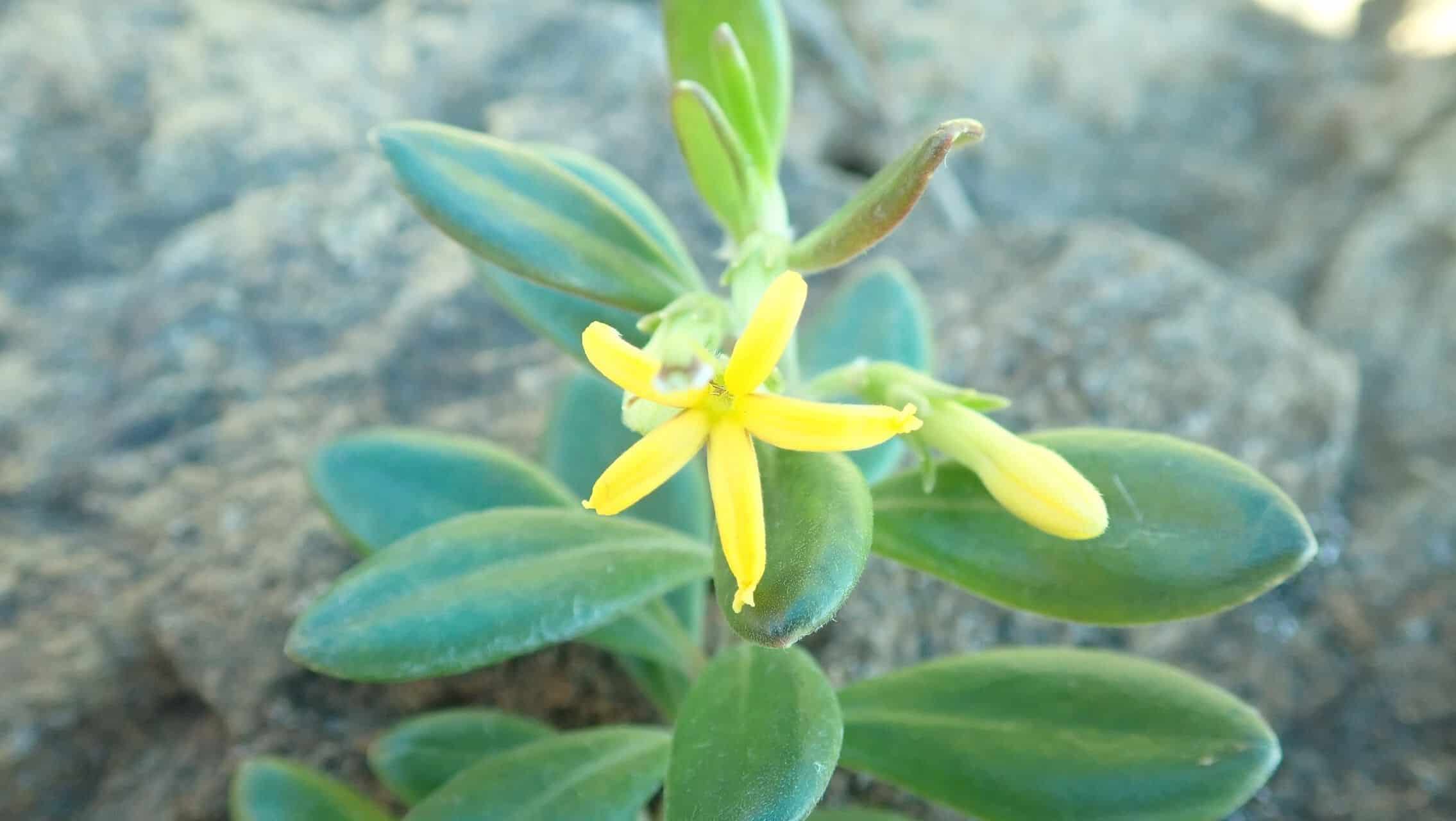
Multiply Your Fan Flowers: A Guide to Propagating Scaevola
Scaevola, with its charming fan-shaped flowers, is a favorite for adding a touch of whimsy and vibrant color to gardens and containers. But did you know you can easily multiply these beautiful blooms without breaking the bank? Propagating Scaevola is a surprisingly simple process, allowing even novice gardeners to create a flourishing floral display.
This guide will walk you through two effective methods: propagating from cuttings and starting from seed.
Method 1: Taking Cuttings – The Fast Track to New Plants
Propagating Scaevola from cuttings is a quick and rewarding method, especially if you want to replicate the characteristics of a specific plant. Here’s how:
1. Timing is Key: The best time to take cuttings is in spring or early summer when the plant is actively growing.
2. Selecting the Right Cuttings: Look for healthy, non-flowering stems that are about 3-4 inches long. Snip just below a leaf node (where the leaf attaches to the stem) using clean, sharp pruning shears.
3. Prepare your Cuttings: Remove the lower leaves from the cutting, leaving only a couple of leaves at the top.
4. Rooting Hormone (Optional but Recommended): Dip the cut end of the stem in rooting hormone powder to encourage faster and more successful root development.
5. Planting the Cuttings: Plant the cuttings in a well-draining potting mix (a mixture of peat moss and perlite works well). Make sure the leaf nodes are covered with the mix.
6. Creating a Humid Environment: Cover the pot with a plastic bag or use a humidity dome to create a greenhouse-like environment. This helps retain moisture and promotes rooting.
7. Provide Bright, Indirect Light: Place the pot in a location with bright, indirect sunlight. Avoid direct sunlight, which can scorch the cuttings.
8. Keep the Soil Moist: Water the cuttings regularly, keeping the soil consistently moist but not waterlogged.
9. Patience is a Virtue: It will take about 4-6 weeks for the cuttings to develop roots. You can test this by gently tugging on the cutting; if it resists, roots have formed!
10. Transplanting: Once the cuttings have established a good root system, you can transplant them into individual pots or directly into the garden.
Method 2: Starting from Seed – A Rewarding and Economical Option
Starting Scaevola from seed is another viable option, especially if you want to grow a large number of plants.
1. Sowing the Seeds: Sow seeds indoors 6-8 weeks before the last expected frost date in your area.
2. Use Seed Starting Mix: Use a seed starting mix that is light and airy, promoting good drainage. Sow seeds about ¼ inch deep and lightly cover them with the mix.
3. Warmth and Moisture are Key: Place the seed tray in a warm location with a consistent temperature of around 70-75°F. Keep the soil consistently moist using a spray bottle to avoid disturbing the seeds.
4. Patience is Required: Seed germination can take anywhere from 10 days to 3 weeks, so be patient!
5. Thinning Out: Once the seedlings have developed their first true leaves, thin out weaker ones to give the stronger seedlings more space to grow.
6. Hardening Off: Before transplanting outdoors, harden off the seedlings by gradually introducing them to outdoor conditions over a week or two.
7. Transplanting: Once hardened off, transplant the seedlings into individual pots or directly into the garden after the danger of frost has passed.
Tips for Success
- Well-draining soil: Scaevola prefers well-draining soil to prevent root rot.
- Sunlight Requirements: Provide at least 6 hours of sunlight per day for optimal flowering.
- Pinching Back: Pinching back the tips of young plants encourages bushier growth and more abundant blooms.
- Deadheading: Regularly remove spent blooms to encourage continuous flowering.
With these tips and a sprinkle of love, you’ll be well on your way to a garden overflowing with beautiful, fan-shaped Scaevola blossoms!