
Propagating Scaevola coccinea: A Gardener’s Guide to the Scarlet Fan Flower
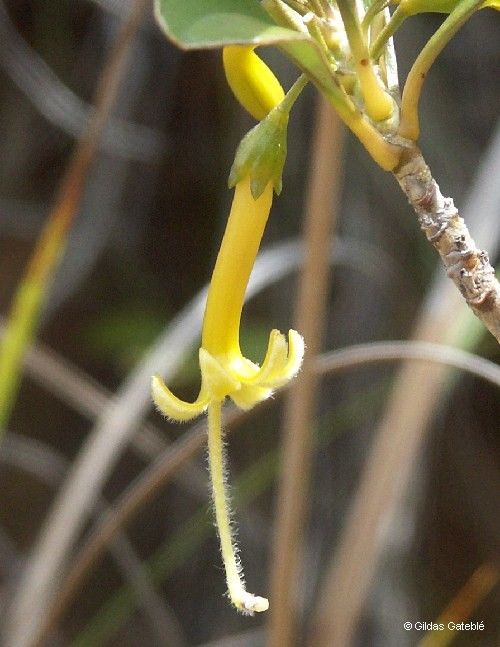
Scaevola coccinea, commonly known as the scarlet fan flower, is a captivating Australian native shrub prized for its vibrant, fan-shaped flowers and cascading habit. Its cheerful blooms, ranging from deep reds to oranges and occasionally pinks, make it a popular choice for hanging baskets, borders, and rock gardens. Its relatively low maintenance and adaptability further contribute to its widespread appeal among gardeners. However, successfully propagating this beautiful plant presents some unique challenges and rewards.
Seed Germination:
Currently, there are no known reliable methods for seed germination propagation of Scaevola coccinea. While the plant produces seeds, germination rates are notoriously low and inconsistent, making this method impractical for most home gardeners. Further research into specific germination requirements might yield success, but currently, it is not a viable option for widespread propagation.
Cuttings:
Cuttings offer a far more reliable method for propagating Scaevola coccinea.
Challenges: While relatively straightforward, success relies on proper technique. Using semi-hardwood cuttings (taken from new growth that has slightly hardened) generally yields the best results.
Practical Tips: Take 8-10cm cuttings from healthy, non-flowering stems. Remove lower leaves to prevent rot and dip the cut end in rooting hormone before planting in a moist, well-draining propagation mix (e.g., a mix of perlite and peat moss). Maintain high humidity using a propagator or plastic bag to encourage rooting. Consistent moisture is crucial – avoid letting the mix dry out completely.
Rewards: Cuttings provide a quick and efficient way to produce genetically identical plants, preserving desirable traits. This method is ideal for propagating a limited number of plants from existing, healthy specimens.
Division:
Division is another viable, albeit less common, method for Scaevola coccinea propagation.
Challenges: This method is only suitable for established, mature plants. Care must be taken to avoid damaging the roots during the division process.
Practical Tips: Carefully dig up the mature plant and gently separate it into smaller sections, each with its own root system and several stems. Replant these divisions immediately in suitable soil, ensuring adequate watering to minimize transplant shock.
Rewards: Division offers a relatively simple method for increasing the number of plants, particularly useful when dealing with larger, well-established specimens.
Tissue Culture:
Tissue culture is a more advanced propagation technique, typically employed by nurseries and commercial growers.
Challenges: This method requires specialized equipment, a sterile environment, and a detailed understanding of plant tissue culture techniques. It is not a practical option for the average home gardener.
Practical Tips: This requires specialized knowledge and equipment beyond the scope of this article. Successful tissue culture necessitates a controlled environment with specific media and growth regulators.
Rewards: Tissue culture allows for large-scale propagation and the production of disease-free plants. It’s also useful for preserving rare or endangered cultivars.
Conclusion:
Propagating Scaevola coccinea presents challenges across different methods. While seed germination is largely unreliable, cuttings provide a simple and effective solution for home gardeners. Division is an option for mature plants, while tissue culture remains a specialized commercial process. The reward of successfully nurturing these scarlet beauties, however, justifies the effort. The vibrant splash of color they bring to any garden is a testament to the patience and dedication involved in their cultivation. For aspiring propagators, remember consistency in watering and providing the right environment are key to success—don’t be discouraged by initial setbacks. The satisfaction of seeing those cuttings root and flourish is unparalleled.