
Unveiling the Secrets of Scaevola Propagation: Grow Your Own Fan Flowers!
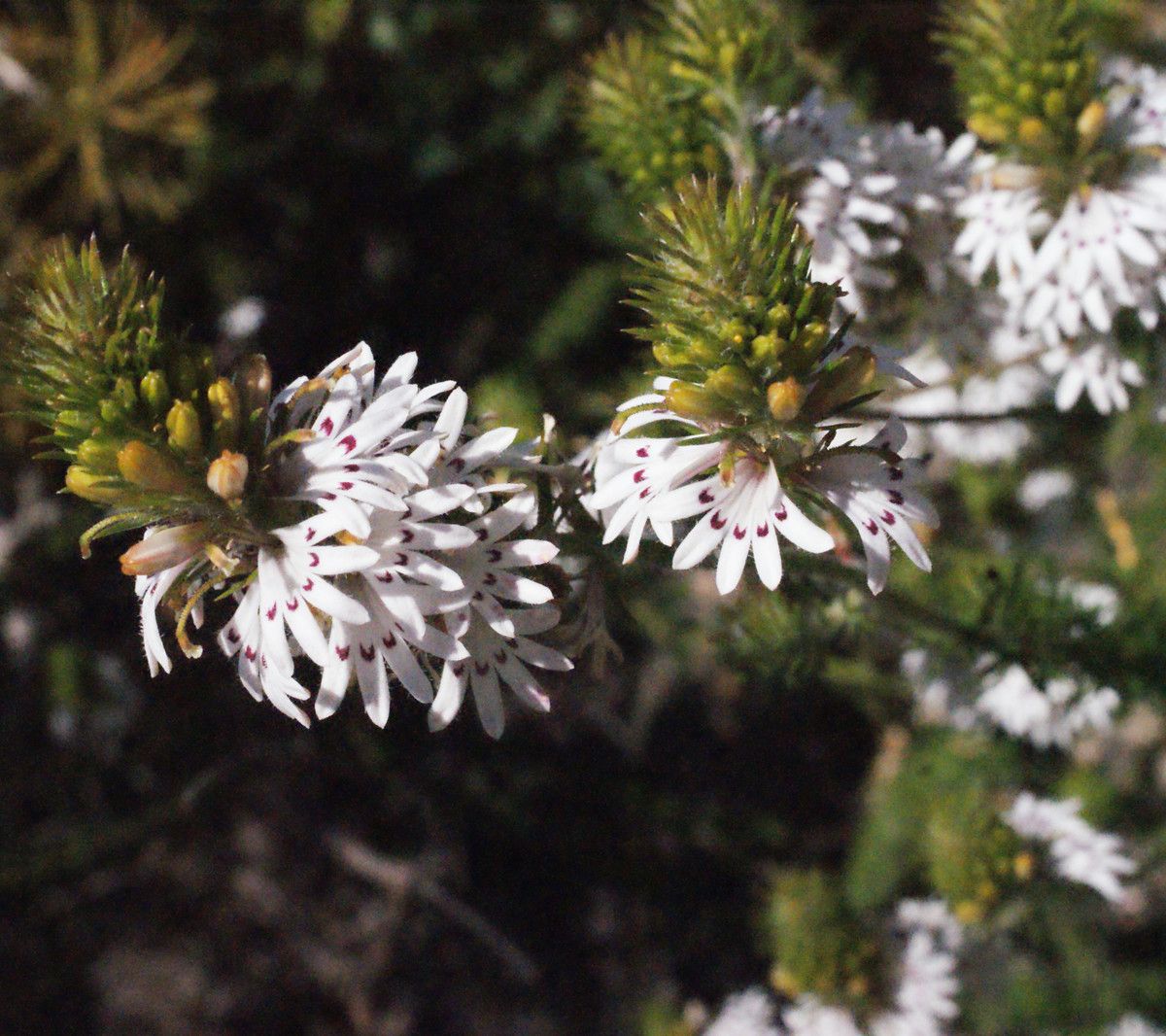
Scaevola lanceolata, more affectionately known as the Fan Flower or Fairy Fan Flower, is a charming Australian native celebrated for its unique fan-shaped blooms and hardy nature. If you’re smitten with this delightful groundcover and dream of expanding its presence in your garden, you’re in luck! Propagating Scaevola is a rewarding endeavor with a high success rate, even for beginner gardeners. Let’s delve into the world of Scaevola propagation and discover the best methods to grow your own captivating colonies.
Two Roads to Success: Seed vs. Cuttings
When it comes to propagating Scaevola lanceolata, you have two primary options: seeds and cuttings. Each method offers its own advantages, allowing you to choose the best approach for your needs and resources.
1. Sowing the Seeds of Success:
Starting Scaevola from seed is a relatively straightforward process. You can often find seed packets at your local nursery or online. Here’s how to get started:
- Timing is Key: The optimal time to sow Scaevola seeds is late winter or early spring, providing ample time for them to establish before the summer heat.
- Sowing the Seed: Use a well-draining seed starting mix and lightly press the seeds onto the surface, ensuring they receive adequate light for germination.
- Warmth and Moisture: Maintaining a consistently warm temperature (around 70-75°F or 21-24°C) and a lightly moist environment is crucial for successful germination.
- Transplanting Time: Once the seedlings develop a few sets of true leaves and the danger of frost has passed, harden them off gradually before transplanting them to their permanent location in your garden.
2. The Art of Cuttings:
Propagating Scaevola from cuttings offers a quicker route to mature plants and ensures you retain the characteristics of the parent plant. Here’s a step-by-step guide:
- Choosing the Right Cuttings: Select healthy, non-flowering stems that are about 3-4 inches long. It’s best to take cuttings in the morning when the plant is most hydrated.
- Preparing the Cuttings: Remove the lower leaves from the cutting, leaving 2-3 leaves at the top. Dip the cut end in rooting hormone (optional but recommended) to encourage faster root development.
- Planting the Cuttings: Insert the cuttings into a well-draining potting mix, ensuring the leaf nodes (bumps where leaves were attached) are buried.
- Creating a Humid Environment: Cover the cuttings with a clear plastic bag or humidity dome to create a warm, moist environment essential for root development.
- Rooting Time: After 4-6 weeks, gently tug on the cutting. Resistance indicates root development. Once the roots are established, you can transplant them into individual pots or directly into your garden.
Caring for Your New Scaevola Progeny
Regardless of your chosen propagation method, caring for your young Scaevola plants is essential for their success:
- Sunlight: Scaevola thrives in full sun to partial shade. Choose a location in your garden that receives at least 6 hours of sunlight daily.
- Soil: Well-draining soil is crucial to prevent root rot. A sandy or loamy soil amended with compost will provide excellent drainage and nutrients.
- Watering: Water deeply but infrequently, allowing the soil to dry slightly between waterings. Avoid overwatering, which can lead to root problems.
- Fertilizing: Feed your Scaevola plants with a balanced fertilizer every 4-6 weeks during the growing season to promote healthy growth and abundant blooms.
Propagating Scaevola lanceolata is a fulfilling and relatively easy way to expand your garden’s beauty. So why not don your gardening gloves and embark on this rewarding journey? Soon, you’ll be reveling in a stunning display of these captivating Fan Flowers, all thanks to your propagation prowess!