
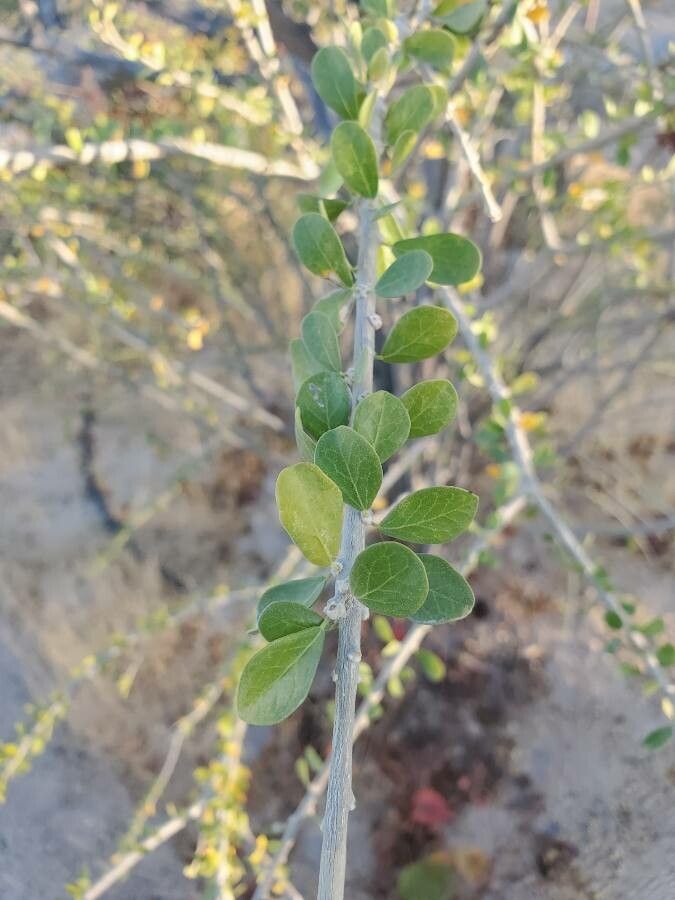
Unlocking the Secrets of Schaefferia cuneifolia: A Propagation Guide
Schaefferia cuneifolia, also known as the Florida Boxwood or Desert Boxwood, is a tough and adaptable evergreen shrub native to Florida, the Caribbean, and parts of Central America. Known for its dense foliage, small inconspicuous flowers, and scarlet berries, Schaefferia cuneifolia can thrive in diverse landscapes with minimal intervention. If you’re captivated by this hardy species and wish to expand its presence in your garden, this propagation guide will provide valuable insights.
Understanding the Basics
Before we delve into the specifics, it’s crucial to understand that Schaefferia cuneifolia is dioecious. This means individual plants bear either male or female flowers, and you need both to obtain viable seeds for propagation.
Propagation Methods: Seeds vs. Cuttings
While Schaefferia cuneifolia can be propagated through both seeds and cuttings, seed propagation is generally more common and arguably easier for home gardeners.
1. Seed Propagation:
- Seed Collection: The best time to collect Schaefferia cuneifolia seeds is in the fall when the small, red berries ripen. Extract the seeds from the fruit and rinse them thoroughly to remove any pulp.
- Stratification (Cold Treatment): Schaefferia cuneifolia seeds benefit from a period of cold stratification to simulate natural winter conditions and break dormancy. Place the cleaned seeds between moist paper towels in a sealed plastic bag and refrigerate them for 6-8 weeks.
- Sowing: After stratification, sow the seeds in a well-draining seed starting mix. Press the seeds gently into the surface without burying them deeply. Keep the soil consistently moist but not waterlogged.
- Germination: With optimal conditions, germination can take anywhere from a few weeks to a couple of months. Be patient and provide consistent care.
2. Propagation from Cuttings:
- Timing: Take semi-hardwood cuttings – sections of stem that are partially mature – during the late spring or early summer.
- Preparation: Select healthy stems free from disease or damage. Using a sharp, sterilized knife or pruning shears, make a clean cut just below a leaf node. Remove the lower leaves, leaving 2-3 pairs at the top.
- Rooting Hormone (Optional): While not strictly necessary, dipping the cut end of the cutting in a rooting hormone can significantly improve the chances of success.
- Planting the Cuttings: Plant the cuttings in a well-draining potting mix, burying the bottom node. Maintain consistent moisture and humidity.
- Root Development: It can take several weeks for the cuttings to develop roots. You can test for root development by gently tugging on the cutting; resistance indicates root formation.
Post-Propagation Care
Whether you choose seed propagation or cuttings, the initial weeks and months are critical for the development of your young Schaefferia cuneifolia plants. Provide them with:
- Bright, indirect sunlight: Avoid direct sunlight, especially during the hottest hours.
- Well-draining soil: Schaefferia cuneifolia prefers well-drained soil and is relatively drought-tolerant once established.
- Regular watering: While the plants are young, keep the soil consistently moist but not waterlogged.
- Protection from Frost: Though hardy once established, young plants might require protection from frost in colder regions.
Embracing Patience and Persistence
Propagating Schaefferia cuneifolia might require some patience and dedication. However, witnessing the emergence of new life from seeds or cuttings is incredibly rewarding. By following these tips and understanding the plant’s needs, you can successfully propagate this resilient and beautiful species and enjoy its presence in your garden for years to come.