
Taming the Pepper Tree: A Guide to Propagating Schinus fasciculata
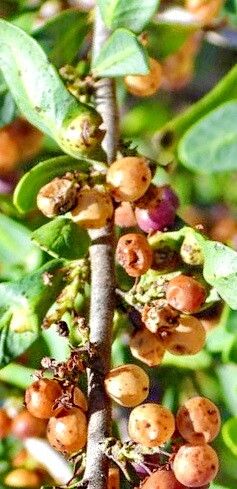
The Schinus fasciculata, more commonly known as the Pepper Tree, is a hardy and visually striking evergreen native to South America. Its cascading branches boast delicate, fern-like foliage and clusters of vibrant pink berries, offering year-round ornamental appeal for gardens and landscapes. Interested in welcoming this beautiful and resilient tree into your own outdoor space? Let’s explore the world of Schinus fasciculata propagation.
Two Paths to Pepper Tree Paradise: Seeds vs. Cuttings
Propagating Schinus fasciculata offers two main options, each with its own set of advantages and considerations.
1. The Seed Route: A Test of Patience
Starting from seed offers a rewarding, albeit lengthy, journey for dedicated gardeners. Here’s what to keep in mind:
- Sourcing Seeds: Gather fresh seeds directly from mature berries in late summer or fall. Note that not all berries contain viable seeds, so collect an ample amount.
- Pre-treatment for Success: The hard outer coating of the seed can hinder germination. To improve your odds:
- Scarification: Gently rub the seeds with sandpaper or a file to create small scratches, allowing water to penetrate.
- Warm Water Soak: Submerge the seeds in warm water for 24 hours to further soften the outer layer.
- Sowing the Seeds: Sow the treated seeds in well-draining seed-raising mix, barely covering them with soil. Keep the mix consistently moist but not waterlogged.
- The Waiting Game: Germination can take several weeks, even months. Be patient and provide a warm and bright environment for optimal results.
2. The Shortcut: Propagating from Cuttings
For a quicker and potentially more reliable method, try propagating from semi-hardwood cuttings:
- Timing is Key: The best time to take cuttings is during the cooler months, ideally in late autumn or early winter.
- Selecting the Perfect Cuttings: Choose healthy, non-flowering stems that are about 4-6 inches long and have some leaves attached.
- Preparing the Cutting: Remove the lower leaves of the cutting, leaving a couple of pairs at the top.
- Rooting Hormone: A Helping Hand: Dip the base of the cutting in rooting hormone powder to encourage root development.
- Planting the Cutting: Insert the prepared cutting into a well-draining potting mix. Maintain a consistently moist environment and provide indirect sunlight.
- Root Development: In about 6-8 weeks, the cutting should develop roots and show signs of new growth.
Nurturing Your Pepper Tree Progeny
Regardless of your chosen propagation method, provide your young Schinus fasciculata with the following care for optimal growth:
- Well-Draining Soil: Pepper Trees thrive in well-drained soils and are susceptible to root rot in waterlogged conditions.
- Ample Sunlight: Choose a location with at least 6 hours of direct sunlight per day for robust growth and vibrant foliage.
- Moderate Watering: Water deeply but infrequently, allowing the soil to dry out slightly between waterings.
- Pruning for Shape: As your tree matures, prune to maintain its shape and remove any dead or diseased branches.
With a bit of patience and care, you can successfully propagate your own Schinus fasciculata and enjoy the unique beauty of this hardy evergreen for years to come.