
Beyond Division: Unlocking the Secrets to Propagating Little Bluestem
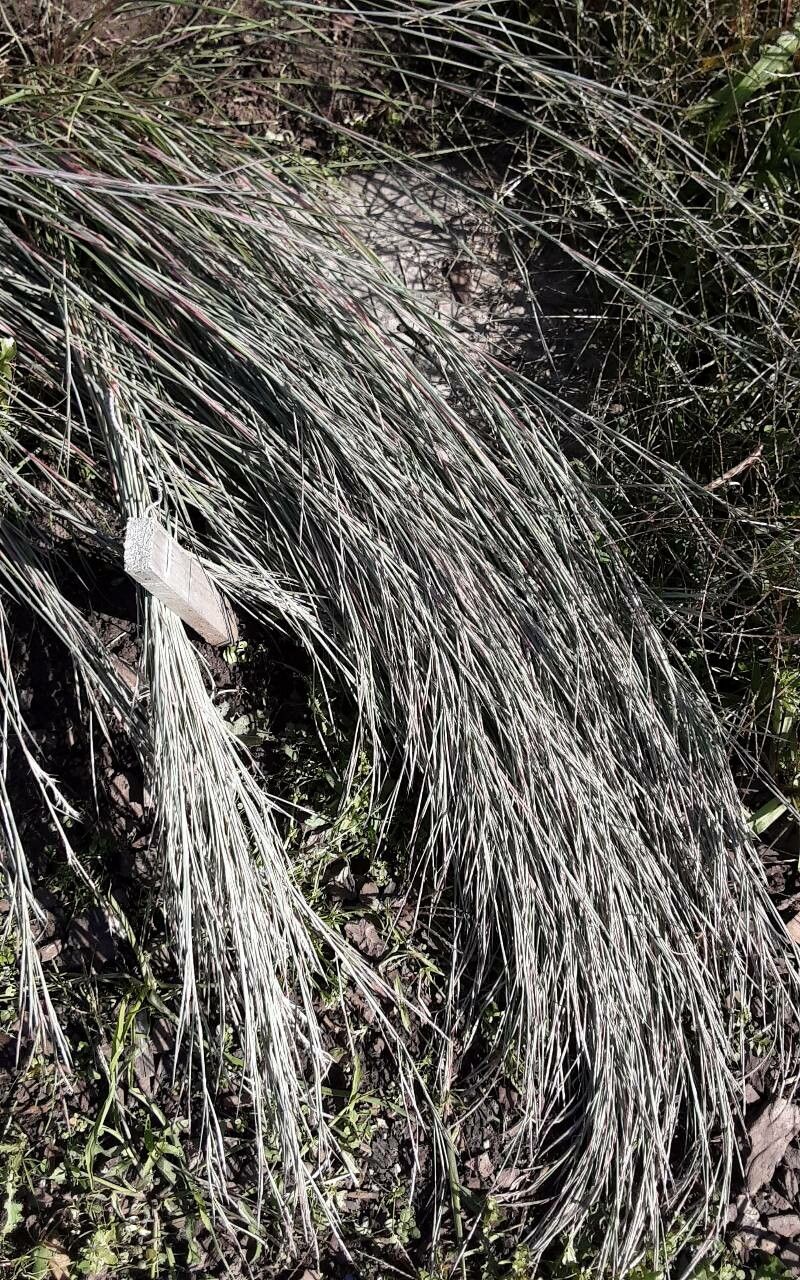
Little Bluestem (Schizachyrium scoparium) is a North American prairie native beloved for its striking blue-green foliage that transforms into a fiery autumnal spectacle. While dividing established clumps is a common propagation method, exploring alternative techniques can unlock a more diverse range of options for expanding your little bluestem haven.
Division: The Tried and True Method
Dividing mature clumps in spring or fall remains an effective way to propagate little bluestem. Use a sharp spade or garden fork to separate the plant into sections, ensuring each division has a healthy root system. Replant immediately to minimize stress and water thoroughly.
Going Deeper: Propagating Little Bluestem from Seed
While division offers a quicker reward, starting little bluestem from seed gives you the satisfaction of nurturing a plant from its very beginning. Here’s a step-by-step guide:
1. Seed Collection and Storage:
Harvest mature seeds in late summer or early fall, identifiable by their fluffy, silver-tinged appearance. Store collected seeds in a cool, dry place until ready for planting.
2. Cold Stratification: Mimicking Nature’s Touch
Little bluestem seeds require a period of cold stratification to break dormancy and enhance germination rates. You can achieve this by:
- Sowing Outdoors in Fall: Scatter seeds directly onto prepared soil in late fall, allowing natural winter conditions to work their magic.
- Indoor Stratification: Mix seeds with damp vermiculite or sand and store in a sealed bag in the refrigerator (33-41°F) for 6-8 weeks before sowing indoors.
3. Sowing Time:
- Outdoor Sowing: Directly sow seeds in spring after the last frost.
- Indoor Sowing: Begin indoors 6-8 weeks before the last expected frost, transplanting seedlings outdoors after hardening them off.
4. Sowing Technique:
- Direct Sowing: Scatter seeds evenly on the soil surface, lightly pressing them down but avoiding burying them deep.
- Indoor Sowing: Sow seeds in seed trays filled with a well-draining seed starting mix, covering them with a thin layer of vermiculite or seed starting mix.
5. Nurturing Growth:
- Light: Provide ample sunlight, whether indoors under grow lights or outdoors in a sunny location.
- Water: Keep the soil consistently moist but not waterlogged.
- Thinning: If sown too densely, thin seedlings to provide adequate spacing for growth.
Beyond Division and Seed: Exploring Other Avenues
While not as common, little bluestem can also be propagated through cuttings:
- Basal Cuttings: Taken from new growth at the base of the plant in late spring or early summer.
- Softwood Cuttings: Taken from stem tips in late spring or early summer.
Dip cuttings in rooting hormone before planting in a well-draining medium and keep consistently moist.
Reaping the Rewards:
Whether through division, seed, or the less-explored path of cuttings, successfully propagating little bluestem offers a rewarding experience. You contribute to expanding the presence of this ecological powerhouse, while simultaneously multiplying the charm and beauty of this captivating native grass in your own outdoor spaces.