
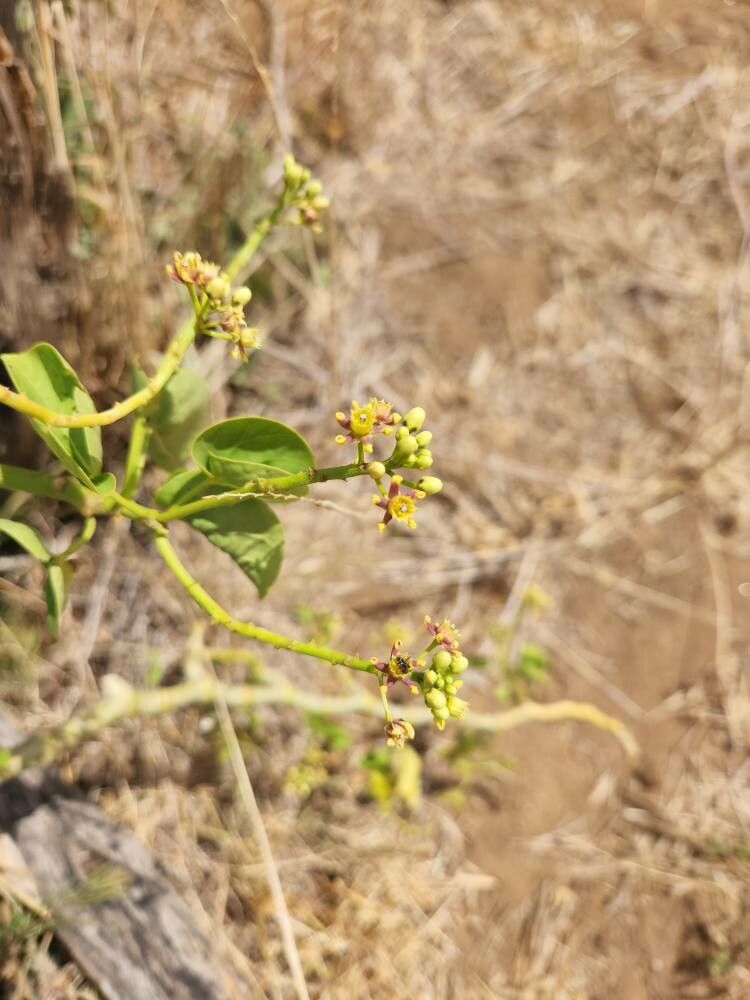
Winged Wonders: Mastering Schizostephanus Alatus Propagation
Schizostephanus alatus, commonly known as the winged bean vine or winged schizostephanus, is a hidden gem in the world of flowering climbers. Native to tropical regions of Africa, this captivating vine boasts delicate, butterfly-like blooms, vibrant foliage and intriguing seed pods that resemble — you guessed it — tiny wings! But beyond its aesthetic appeal, Schizostephanus alatus presents a rewarding challenge for propagation enthusiasts.
This article delves into the art of multiplying your winged wonders, providing you with the knowledge and techniques to successfully propagate this stunning climber.
Seeds: Sowing Success for a Blooming Future
Propagating Schizostephanus alatus from seed offers a fulfilling journey from tiny speck to flourishing vine. Here’s how:
Seed Collection: Harvest mature seed pods from an existing plant once they turn brown and dry. Each pod contains multiple seeds, readily identifiable by their papery wings.
Pre-sowing Prep: Soak the seeds in lukewarm water for 24 hours. This hydrates the seeds and encourages faster germination.
Sowing Time: Spring is the ideal season to sow your seeds, coinciding with warmer temperatures and longer day lengths.
Planting Medium: Utilize a well-draining seed starting mix, maintaining a slightly acidic to neutral pH level.
Sowing Depth: Gently press the seeds into the surface of the moist planting medium, covering them lightly.
Warmth & Light: Ensure consistent warmth with a heating mat or a warm location. Bright, indirect light is crucial for optimal germination.
- Patience is Key: Germination can take anywhere from 2 to 4 weeks. Maintain consistent moisture during this period, avoiding overwatering.
Tip: Scarifying the seeds by gently nicking their outer shell can expedite germination.
Cuttings: Cloning Your Climbing Companions
For those seeking a quicker propagation method, taking cuttings proves highly successful with Schizostephanus alatus. Follow these steps:
Timing is Everything: Take cuttings during the active growing season, ideally in spring or early summer.
Choose Wisely: Select healthy, non-flowering stems that are at least 4-6 inches long.
Clean Cut: Using sterilized pruning shears, make a clean cut just below a leaf node.
Hormonal Help: Dip the cut end in rooting hormone to encourage faster root development.
Planting Medium: Prepare a well-draining potting mix, opting for one specifically designed for cuttings.
Create a Humid Haven: Cover the pot with a plastic bag or use a propagation dome to maintain humidity, mimicking a greenhouse environment.
- Patience and Observation: Within a few weeks, roots should begin to develop. Once you see new growth, you can gradually acclimate the cutting to normal humidity.
Tip: Choose a location with bright, indirect light for your cuttings, and avoid direct sunlight which can scorch delicate new growth.
Nurturing Your New Additions
Whether propagated from seed or cuttings, your young Schizostephanus alatus plants will thrive with proper care:
- Sunlight: Provide ample bright, indirect light. While your plant will tolerate some shade, too little light may result in leggy growth and fewer flowers.
- Water: Maintain consistently moist soil but avoid overwatering, which can lead to root rot. Allow the top inch of soil to dry out between waterings.
- Humidity: This tropical vine appreciates humidity. Regular misting, a pebble tray filled with water, or a humidifier can help increase moisture levels.
- Support: Provide a sturdy trellis, obelisk, or other support structure for your vine to climb.
- Fertilizer: Feed your plant monthly during the growing season with a balanced, water-soluble fertilizer.
With dedication and these propagation techniques, you can cultivate an enchanting display of winged wonders in your own garden. Enjoy the beauty and unique charm of Schizostephanus alatus – a climbing vine that’s definitely worth the effort!