
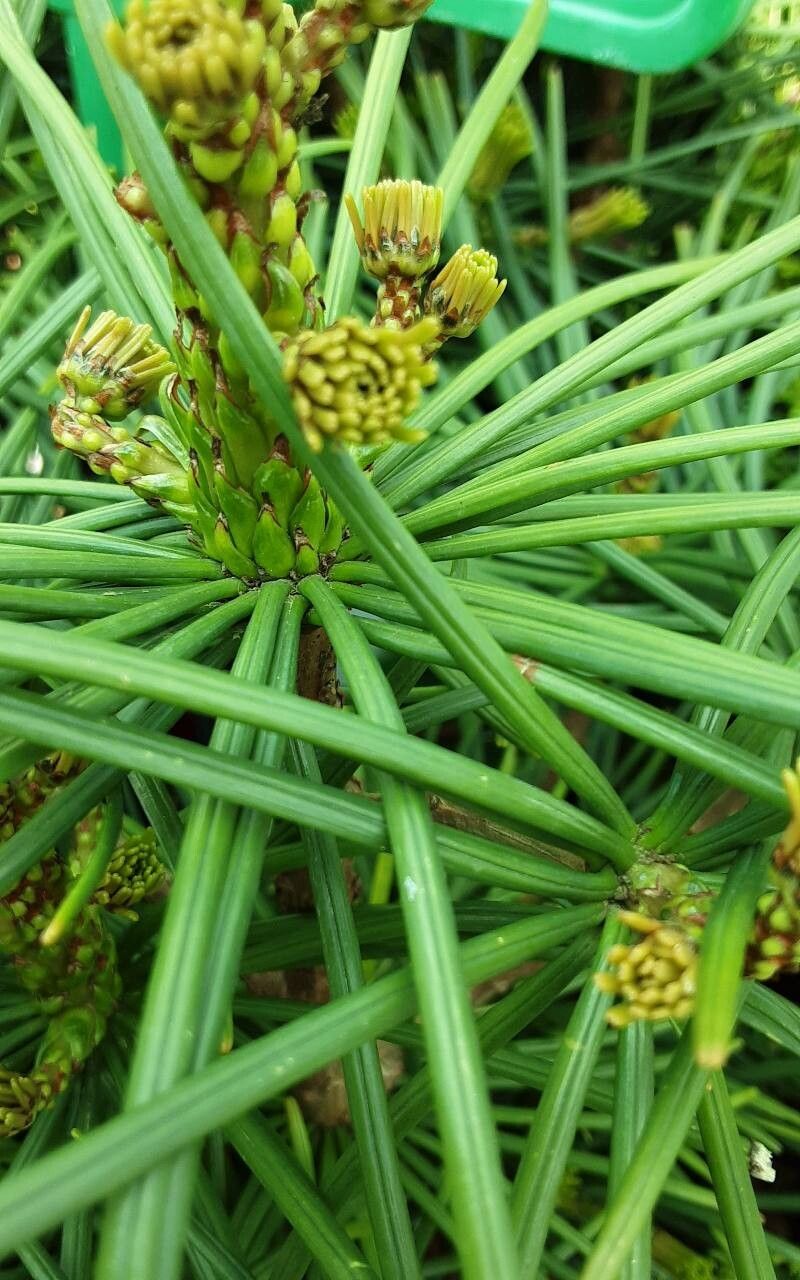
Unlocking the Secrets of the Umbrella Pine: A Guide to Propagating Sciadopitys verticillata
The Sciadopitys verticillata, more commonly known as the Japanese umbrella pine, is a living fossil. With its unique, whorled needles resembling the spokes of an umbrella, it’s a captivating addition to any garden. But this ancient beauty is notoriously tricky to propagate. If you’re up for the challenge, however, the rewards are immense. Let’s dive into the fascinating world of propagating Sciadopitys verticillata.
Two Paths to Propagation: Seeds vs. Cuttings
Propagating umbrella pines is not for the impatient gardener. You have two main options: seeds or cuttings, each with its own set of challenges and timelines.
1. The Seed Route: Patience is Key
- Pros: More readily available and slightly easier than cuttings.
- Cons: Requires considerable time, sometimes taking up to two years for germination.
The Process:
- Source fresh seeds: Look for cones in late summer or early fall, or purchase seeds from a reputable supplier.
- Break dormancy: Umbrella pine seeds require stratification, a cold treatment mimicking winter, to break dormancy. Store seeds in moist vermiculite in the refrigerator (around 4°C) for at least 3 months.
- Sow in spring: Plant seeds about 1 inch deep in a well-draining mix. Keep the soil consistently moist but not waterlogged.
- Wait and be patient: Germination is erratic and can take many months. Some seeds may even sprout the following spring.
2. The Cutting Challenge: Advanced Technique
- Pros: Potentially faster than growing from seed.
- Cons: Lower success rate, requires specific skills and conditions.
The Process:
- Timing is crucial: Take semi-ripe cuttings in late summer from healthy, young growth.
- Prepare the cuttings: Each cutting should be 4-6 inches long with the bottom needles removed. Wound the base slightly to expose the cambium layer.
- Hormone boost: Dip the cuttings in rooting hormone powder to encourage root development.
- Create a humid environment: Plant the cuttings in a well-draining mix and cover with a plastic bag or humidity dome.
- Provide bottom heat: Optimal rooting occurs with consistent bottom heat (around 21°C).
Nurturing Your Umbrella Pine Progeny
Whether you choose seeds or cuttings, providing the right environment is crucial for successful propagation:
- Light: Young umbrella pines thrive in dappled sunlight or partial shade.
- Soil: Choose well-draining, slightly acidic soil.
- Water: Keep the soil consistently moist but avoid overwatering.
- Fertilizer: Use a balanced, slow-release fertilizer in spring.
The Joys of Patience and Persistence
Propagating Sciadopitys verticillata is not a quick or easy process, but the reward of nurturing this ancient tree from its earliest stages is incredibly fulfilling. So, arm yourself with patience, hone your gardening skills, and embark on this rewarding horticultural adventure. You might be surprised by the resilience of life hidden within a tiny seed or a delicate cutting – just like the enduring legacy of the umbrella pine itself.