
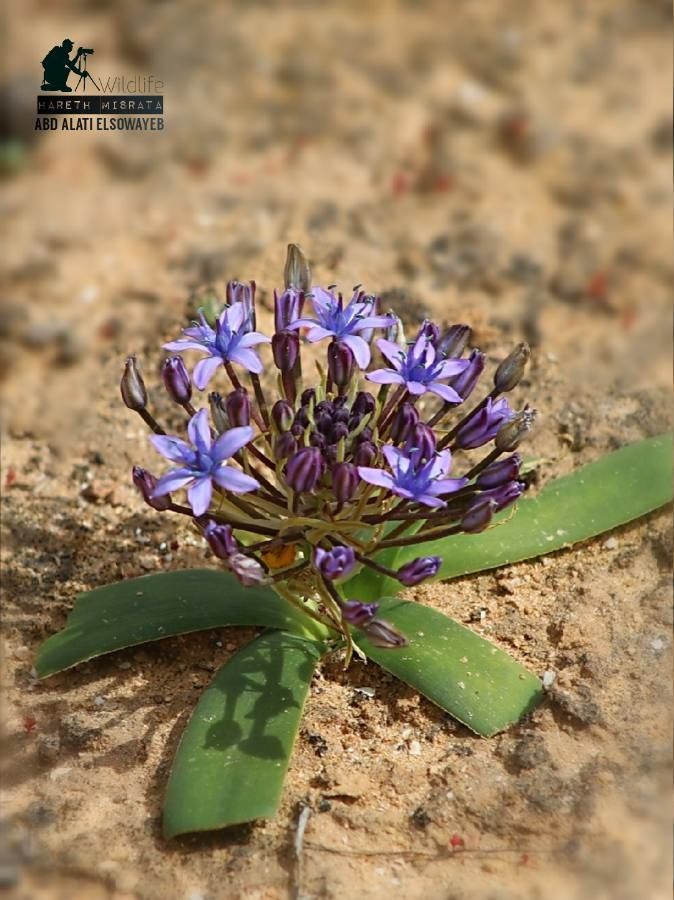
Unveiling the Secrets of Scilla Villosa Propagation: A Guide to Multiplying the Starry Beauty
The Scilla villosa, with its captivating clusters of star-shaped flowers, brings a touch of whimsical charm to any garden. This Mediterranean native, also known as the Hairy Squill, enchants with its vibrant blue blooms and unique hairy foliage. If you’re eager to expand your Scilla villosa collection and grace your garden with even more of this beauty, propagating it yourself is a rewarding endeavor. Let’s explore the two primary methods:
1. Seeds: A Journey of Patience and Reward
Propagating Scilla villosa from seeds offers a fulfilling journey for patient gardeners. While it takes more time than other methods, it allows you to witness the plant’s entire life cycle, from tiny seed to blooming wonder. Here’s how:
- Collecting Seeds: As your Scilla villosa finishes flowering, keep an eye out for small seed pods to develop. Once these pods turn brown and dry, carefully collect them.
- Seed Preparation: Gently break open the dry pods to reveal tiny black seeds within. It’s best to sow these seeds fresh, but you can store them in a cool, dry place until you’re ready.
- Sowing: Fill a seed tray or small pots with well-draining seed compost. Sow the seeds thinly, gently pressing them onto the surface. Cover them lightly with a fine layer of compost or vermiculite and water well.
- Patience is Key: Place the tray or pots in a sheltered location with bright, indirect light. Keep the soil consistently moist but not waterlogged. Germination can take several weeks or even months.
- Transplanting: Once seedlings develop a few true leaves, carefully transplant them into individual pots or your garden bed, ensuring they have ample space to grow.
2. Offsets: Dividing and Conquering
For a quicker propagation method, Scilla villosa readily produces offsets – small bulbs that develop around the parent bulb. Dividing these offsets gives you new plants ready to flourish.
- Timing is Everything: The ideal time to divide offsets is after the plant has finished flowering, typically in late spring or early summer.
- Gentle Separation: Carefully dig up a mature Scilla villosa clump, ensuring you lift the entire bulb system. Gently remove the soil around the bulbs and locate the offsets that have developed.
- Division with Care: Using a clean, sharp knife or your fingers, carefully separate the offsets from the parent bulb. Aim for offsets that have their own roots for optimal success.
- Replanting: Select a well-drained location in your garden or prepare pots with suitable soil. Plant the offsets at the same depth they were originally growing, about 2-3 inches deep. Water them well and provide adequate sunlight.
Caring for Your Scilla Villosa Progeny
Whether you choose seeds or offsets, proper care is essential for your newly propagated Scilla villosa to thrive. Ensure their soil is well-drained and they receive ample sunlight to partial shade. Water regularly, especially during dry spells, but avoid overwatering.
Propagating Scilla villosa is an enriching experience for gardeners of all levels. By trying these methods, you can multiply your collection of this stunning plant and expand its enchanting presence in your garden. With a little patience and care, you’ll be rewarded with a captivating display of star-shaped blooms year after year.