
Propagating Scindapsus pictus: Unveiling the Secrets of Satin Pothos
Introduction:
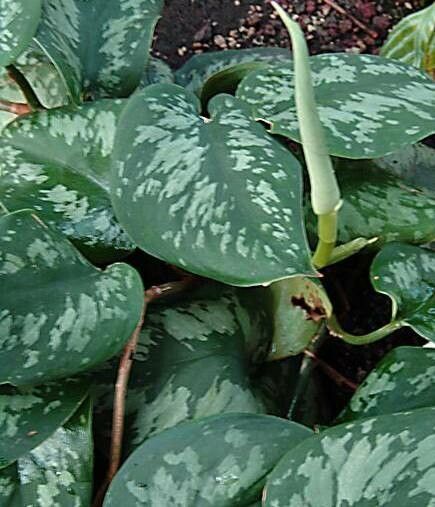
Scindapsus pictus, commonly known as Satin Pothos or Silver Satin Pothos, is a highly sought-after vining plant prized for its velvety, heart-shaped leaves adorned with silvery-grey variegation. Its relatively low maintenance needs and striking appearance have cemented its popularity among indoor plant enthusiasts. Unlike some other aroids, however, Scindapsus pictus propagation presents unique challenges, making successful propagation a rewarding accomplishment. This article explores various methods, examining their viability and outlining practical techniques.
Seed Germination:
Currently, there are no known reliable methods for seed germination propagation of Scindapsus pictus. This is likely due to the plant’s preference for vegetative propagation and the difficulties in obtaining viable seeds commercially or through home cultivation. While some aroids produce seeds, Scindapsus pictus rarely flowers indoors, and even if it does, seed production is unreliable.
Cuttings:
1. Viability: Cuttings are the most common and reliable method for propagating Scindapsus pictus. Stem cuttings, including those with a node and a leaf, readily root.
2. Practical Tips: Take 4-6 inch cuttings from healthy stems, ensuring each cutting contains at least one node. Remove the lower leaves to prevent rot. Dip the cut end in rooting hormone for optimal results. Plant the cuttings in a well-draining potting mix, keeping the soil consistently moist but not soggy. High humidity (using a humidity dome or plastic bag) significantly improves success rates. Rooting typically takes several weeks to a couple of months.
3. Rewards: Cuttings offer a straightforward and effective method to quickly increase the number of plants. While genetic diversity is limited compared to seed propagation, it ensures the propagation of desirable traits present in the parent plant.
Division:
1. Viability: Division is possible, but less common than cuttings, especially for smaller plants.
2. Practical Tips: Division is most effective when the plant is already quite large and established. Carefully remove the plant from its pot and gently separate the root ball into multiple sections, ensuring each division possesses a substantial root system and several stems. Replant each division into its own pot using a well-draining potting mix.
3. Rewards: Division allows for quick multiplication of an already well-established plant, preserving its mature characteristics and size.
Tissue Culture:
1. Viability: Tissue culture is a technically demanding but highly effective method capable of producing large numbers of genetically identical plants from a small amount of source material.
2. Practical Tips: Tissue culture requires specialized equipment, sterile conditions, and expertise in plant tissue culture techniques. This method is best left to professionals or experienced hobbyists with the necessary resources and knowledge.
3. Rewards: Tissue culture offers unmatched potential for large-scale propagation, producing numerous disease-free plants that are all genetically identical to the parent plant.
Conclusion:
Propagating Scindapsus pictus presents both challenges and rewards. While seed propagation is currently infeasible, cuttings provide a relatively simple and successful method for the home gardener. Division offers an alternative for larger plants, while tissue culture represents a sophisticated route towards mass propagation. The unique satisfaction of successfully propagating this beautiful plant lies in overcoming the inherent challenges – the careful nurturing, the patience required, and the eventual thrill of seeing a tiny cutting develop into a thriving vine. For aspiring propagators, remember patience and consistent care are key – even small successes build confidence and deepen your connection with this elegant plant.