
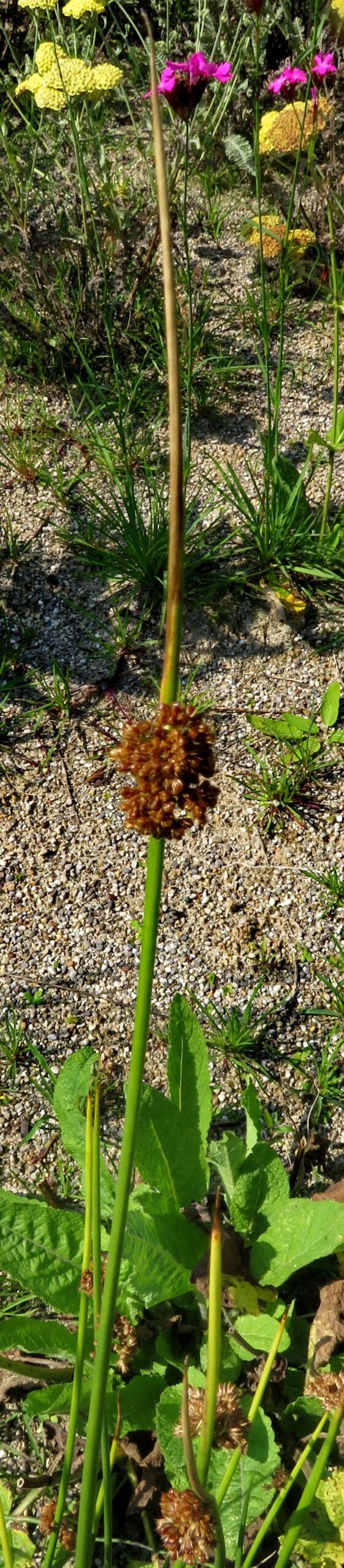
More than Just a Pretty Face: Propagating the Versatile Black Bulrush (Scirpus atrovirens)
The Black Bulrush, or Scirpus atrovirens, is an often-overlooked gem in the world of landscaping and ecological restoration. With its striking dark green foliage and unique architectural form, this perennial grass adds texture and visual interest to any garden or natural space. But did you know that this easy-to-grow plant is also remarkably simple to propagate? Whether you’re looking to expand your existing patch, share its beauty with friends, or simply engage in the rewarding act of plant propagation, the Black Bulrush welcomes all levels of gardening enthusiasts!
Division: The Gift That Keeps on Giving
The most common and effective method for propagating Black Bulrush is division. This process involves digging up an established clump and separating it into smaller sections, each containing a healthy portion of roots and shoots. Spring is the ideal time for division when the plant is actively growing. Here’s a breakdown of the process:
- Careful Excavation: Gently dig around the perimeter of the clump, ensuring you go deep enough to avoid damaging the root system. Carefully lift the entire clump from the ground.
- Division Time: Depending on the size of your clump, you can either gently pull it apart into smaller sections or use a sharp, clean knife to divide it. Aim for sections with a minimum of 3-5 healthy shoots.
- Replanting: Prepare your new planting sites by loosening the soil and amending with compost if necessary. Plant the divided sections at the same depth they were previously growing. Water thoroughly and keep the soil consistently moist until the divisions are established.
Seed Starting: A More Patient Approach
While division offers a quicker and generally more successful route, propagating Black Bulrush from seeds can be a rewarding experience. Here’s what you need to know:
- Seed Collection: Collect mature seed heads from existing plants in the late summer or early fall. Allow them to dry completely before storing them in a cool, dry place.
- Sowing Time: Start seeds indoors in late winter or early spring. Sow seeds in a seed-starting mix, barely covering them with soil.
- Germination Patience: Be patient, as Black Bulrush seeds can take several weeks to germinate. Provide consistent moisture and warmth during this period.
- Transplantation: Once the seedlings are large enough to handle, transplant them into individual pots. Gradually harden them off before planting them outdoors after the last frost.
The Rewards of Propagation:
Propagating your own Black Bulrush offers numerous benefits. Not only will you increase your plant stock for free, but you’ll also gain a deeper understanding of this fascinating species. The process fosters a sense of accomplishment and connection with nature that enhances the overall gardening experience. So, why not give it a try? The versatile and resilient Black Bulrush awaits your propagation endeavors!