
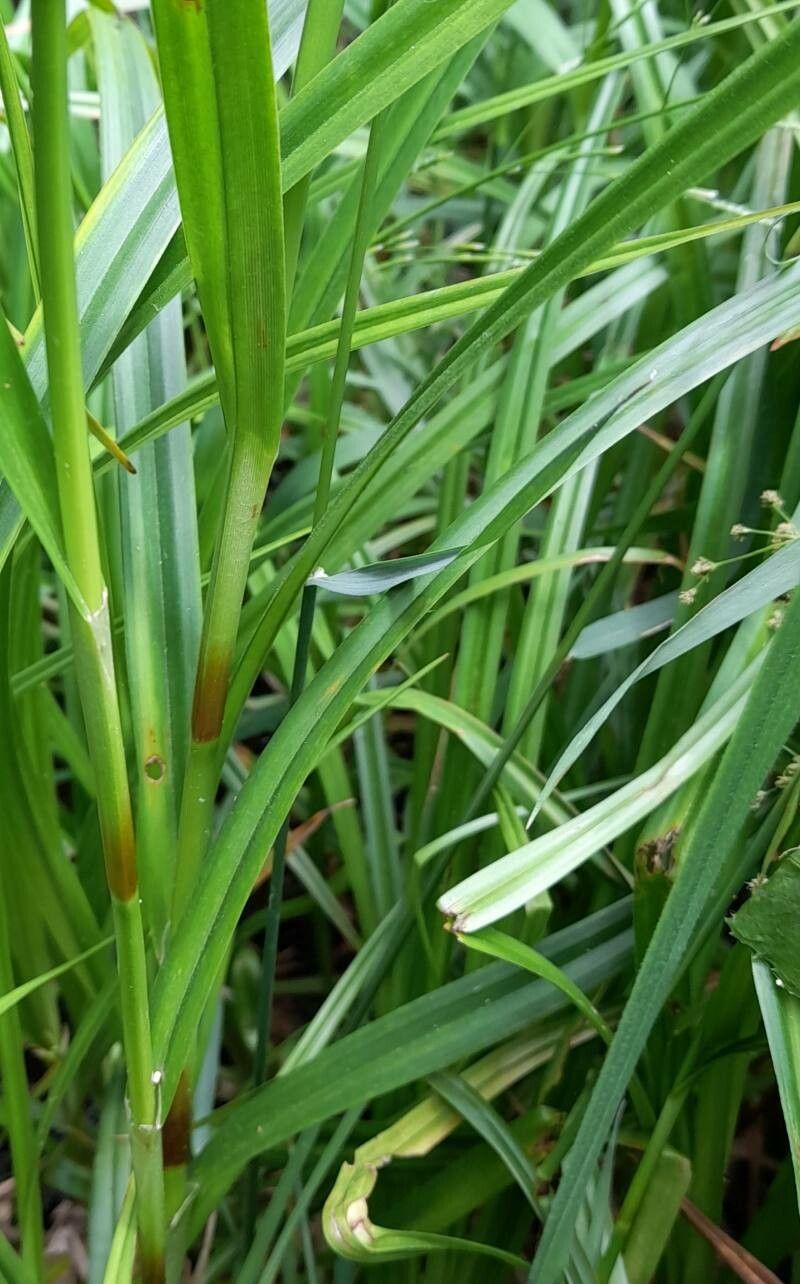
Taming the Wild Wood Club-rush: Propagating Scirpus sylvaticus
The Scirpus sylvaticus, more commonly known as the wood club-rush, is a captivating plant with its graceful, grassy foliage and intriguing brown flower clusters. This adaptable sedge, native to wetlands across the Northern Hemisphere, can add a touch of wild elegance to your water garden, pond edge, or even a boggy spot in your landscape.
While readily available for purchase, propagating your own Scirpus sylvaticus is a rewarding endeavor. This guide will provide you with two simple yet effective methods to increase your stock of this beautiful sedge.
Method 1: Division – The Power of Multiplication
Division is the most common and straightforward method for propagating Scirpus sylvaticus, and for good reason. It’s incredibly successful and mirrors the plant’s natural growth habit.
Here’s how to divide your Scirpus sylvaticus:
- Timing is Key: The best time for division is during the plant’s active growth period, ideally in spring or early fall.
- Dig Deep: Carefully dig up a mature clump of Scirpus sylvaticus, ensuring you get a good portion of the root system.
- Divide and Conquer: Using a sharp, clean knife or garden spade, divide the clump into smaller sections. Each section should have a healthy amount of roots and shoots attached.
- Replant and Thrive: Replant the divisions immediately into their desired locations, ensuring the soil is consistently moist. Water thoroughly and keep the soil moist as the new divisions establish themselves.
Method 2: Seed Propagation – A More Patient Approach
Propagating Scirpus sylvaticus from seed requires a touch more patience, but it offers the satisfaction of nurturing a plant from its earliest stages.
Here’s a step-by-step guide to seed propagation:
- Seed Collection: Harvest ripe seed heads from existing plants in late summer or fall. Look for brown, dry seed heads for optimal maturity.
- Sowing Time: While you can sow seeds directly outdoors in fall, starting them indoors in late winter or early spring offers better control over the germination process.
- Prepare the Seedbed: Use a seed starting mix that retains moisture well. Sow seeds on the surface and press them lightly into the mix.
- Light and Water: Place the seed tray in a bright location, but avoid direct sunlight. Keep the soil consistently moist but not waterlogged.
- Transplantation Time: Once the seedlings are large enough to handle and all risk of frost has passed, transplant them to their final outdoor location.
Essential Care Tips for Thriving Scirpus Sylvaticus:
- Sunlight: While Scirpus sylvaticus tolerates some shade, it thrives in full sun to partial shade conditions.
- Moisture is Key: Consistent moisture is crucial for this sedge. Ensure the soil stays consistently moist, especially during its establishment period. Consider incorporating a water-retaining material like compost into the planting area.
- Soil Type: Scirpus sylvaticus prefers slightly acidic to neutral soil with good drainage.
- Pruning Prowess: Cut back dead or unsightly foliage in late winter or early spring to maintain a tidy appearance and promote fresh new growth.
By following these simple propagation techniques and care tips, you can successfully cultivate an abundance of breathtaking Scirpus sylvaticus. This low-maintenance sedge will reward you with its textural beauty and graceful presence, adding a touch of wilderness and tranquility to your garden haven.