
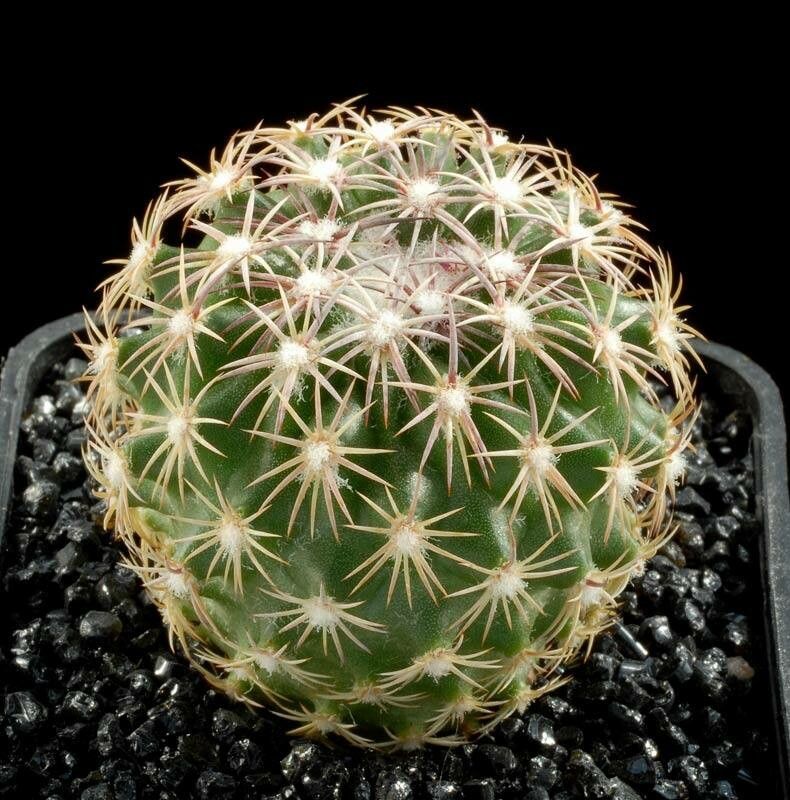
Taming the Desert Denizen: Propagating the Elusive Sclerocactus johnsonii
The Sclerocactus johnsonii, also known as Johnson’s Fishhook Cactus, is a captivating paradox. Its fierce, hooked spines and ability to thrive in harsh desert environments might suggest an untamable nature. However, with patience and the right approach, even this prickly customer can be propagated, allowing enthusiasts to cultivate these fascinating cacti in their own collections.
This guide delves into two primary methods for propagating Sclerocactus johnsonii:
1. Seed Propagation: A Test of Time and Patience
For those willing to embrace the slow and meticulous, seed propagation offers a rewarding journey. Here’s a step-by-step approach:
- Sourcing Seeds: Reputable nurseries specializing in cacti and succulents are your best bet for obtaining viable Sclerocactus johnsonii seeds.
- Preparing the Seedbed: Use a well-draining soil mix specially formulated for cacti. A shallow, wide container with drainage holes is ideal.
- Sowing the Seeds: Sprinkle the seeds sparsely over the soil surface, barely pressing them in.
- Moisture and Light: Mist the soil gently with water and provide bright, indirect sunlight. A humidity dome can help maintain moisture levels during germination.
- Patience is Key: Germination can take several weeks to months, with sporadic sprouting. Maintain a consistent environment, and don’t be discouraged by slow progress.
- Pricking Out: Once seedlings are large enough to handle, carefully transplant them into individual pots with fresh cactus mix.
2. Offsets: The Shortcut to Success (Sometimes)
Sclerocactus johnsonii occasionally produces offsets, also known as “pups,” emerging from the base of the mature plant. These mini-me cacti offer a quicker propagation route.
- Identifying Viable Offsets: Look for offsets that are at least an inch in diameter and have developed their own root system.
- Careful Removal: Using a clean, sharp knife, carefully detach the offset from the parent plant, ensuring minimal damage.
- Callusing the Wound: Allow the cut surface of both the offset and parent plant to dry and callous over for a few days.
- Potting and Care: Plant the offset in well-draining cactus mix, burying the base just below the soil surface. Water sparingly, allowing the soil to dry completely between waterings.
Challenges and Considerations
Propagating Sclerocactus johnsonii isn’t without its challenges:
- Slow Growth: Be prepared for a leisurely pace, as these cacti are notoriously slow-growing.
- Sensitivity to Moisture: Overwatering is a common pitfall. Err on the side of dryness, allowing the soil to completely dry between waterings.
- Pests and Diseases: While relatively hardy, Sclerocactus johnsonii can be susceptible to common cactus pests like mealybugs. Regular inspection and prompt treatment are crucial.
Despite the challenges, successfully propagating Sclerocactus johnsonii provides a profound sense of accomplishment for any plant enthusiast. The process requires patience, attention to detail, and a touch of desert wisdom. But the reward of nurturing these captivating cacti from seed or offset to mature plant is an enriching experience for any plant lover.