
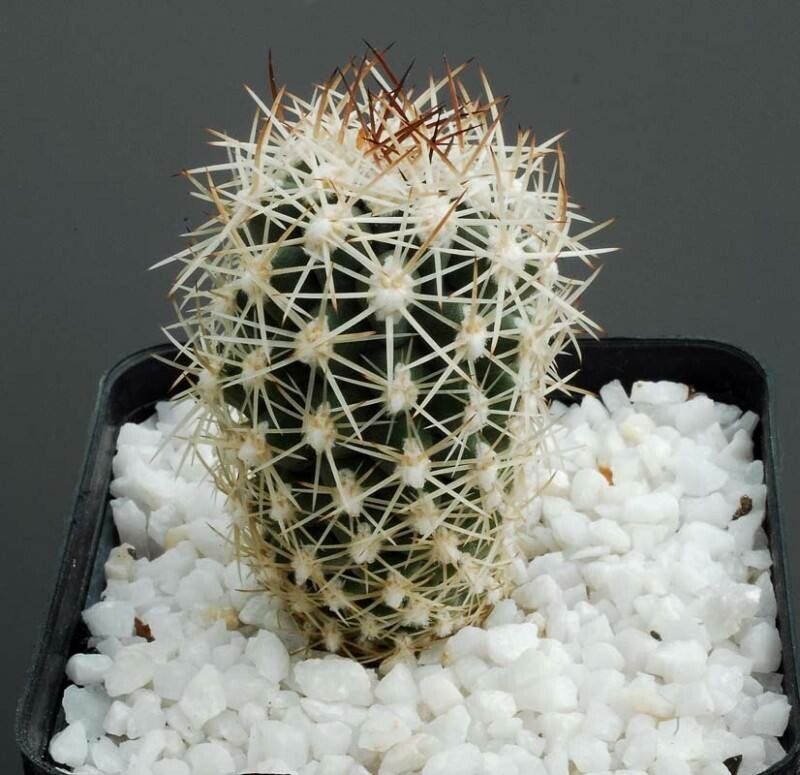
Taming the Desert Pincushion: A Guide to Propagating Sclerocactus wetlandicus
The Sclerocactus wetlandicus, also known as the Uinta Basin Cactus or the Wetland Cactus, is a fascinating and rare species captivating plant enthusiasts. Despite its somewhat misleading name, this cactus thrives not in wetlands, but in the arid, clay-rich deserts of Utah. Its striking appearance, featuring dense spines resembling a pincushion and vibrant pink blooms, makes it a prized possession for any collector.
However, the Sclerocactus wetlandicus is notoriously challenging to propagate, especially for beginners. Its slow growth rate and susceptibility to root rot require a delicate touch and a deep understanding of its needs. But don’t be disheartened! With patience and the right techniques, you can successfully cultivate this desert gem.
Seeds of Hope: Mastering the Art of Seed Propagation
Propagating from seed is the most common method for the Sclerocactus wetlandicus:
1. Source Your Seeds: Obtaining seeds can be tricky due to the plant’s rarity. Seek reputable nurseries specializing in cacti and succulents or join online communities for potential seed exchanges.
2. Sowing the Seeds:
- Timing is Key: Early spring is ideal, offering optimal warmth and light for germination.
- Prepare the Potting Mix: A well-draining mix is crucial to prevent root rot. Use a blend specifically formulated for cacti and succulents or create your own using equal parts pumice, coarse sand, and perlite.
- Sowing: Sprinkle the seeds sparsely on the surface of the moistened potting mix. Do not bury them; they require light for germination.
- Creating a Humid Environment: Cover the pot with a plastic wrap or place it inside a humidity dome to mimic the warm, humid conditions necessary for germination.
- Be Patient: Germination can take anywhere from a few weeks to several months. Maintain consistent moisture and warmth during this time.
3. Caring for Seedlings:
- Gradual Acclimation: Once seedlings emerge, slowly acclimate them to lower humidity levels to prevent fungal issues.
- Watering: Water sparingly, only when the soil is completely dry.
- Light: Provide bright, indirect light.
A Delicate Dance: Navigating the Challenges of Cuttings
While possible, propagating Sclerocactus wetlandicus from cuttings is less common and more challenging than seed propagation due to the risk of rot. However, if you wish to take this route:
1. Taking the Cutting:
- Timing: Choose a healthy, mature stem and take the cutting in late spring or early summer when the plant is actively growing.
- Process: Use a sterile, sharp knife to make a clean cut. Allow the cutting to callous over for a week in a dry, shaded location.
2. Planting the Cutting:
- Rooting Hormone: While not essential, dipping the calloused end in rooting hormone can encourage root development.
- Planting Medium: Use the same well-draining mix recommended for seeds.
3. Post-Planting Care:
- Watering: Water very sparingly. Overwatering is a significant risk for cuttings.
- Patience: It may take several months for roots to establish.
Patience is Key: Nurturing Your Sclerocactus Wetlandicus
Growing Sclerocactus wetlandicus requires dedication and a commitment to its unique needs. Remember:
- Light: Ample light is crucial. Aim for at least six hours of direct sunlight daily.
- Temperature: These cacti prefer warm temperatures above 70°F (21°C) during the day and cooler temperatures at night.
- Dormancy: Allow the plant to enter dormancy during winter by reducing watering and keeping it in a cool, dry location.
Propagating the Sclerocactus wetlandicus might be challenging, but the reward of nurturing this extraordinary cactus from seed or cutting to a mature plant is immensely fulfilling. Embrace the journey and enjoy witnessing the resilience and beauty of this desert treasure.