
From Seed to Spikes: Propagating Scolymus hispanicus (Golden Thistle)
The Scolymus hispanicus, commonly known as the Golden Thistle, is a striking plant with spiky, golden yellow flowers that add a touch of rustic elegance to any garden. Beyond its beauty, this Mediterranean native boasts edible roots and leaves, offering a unique culinary adventure. The best part? It’s surprisingly easy to propagate, giving you the chance to grow this unique plant from scratch and enjoy its bounty year after year.
Embracing the Power of Seeds
The most common and reliable method for propagating Golden Thistle is through seeds. Here’s a step-by-step guide:
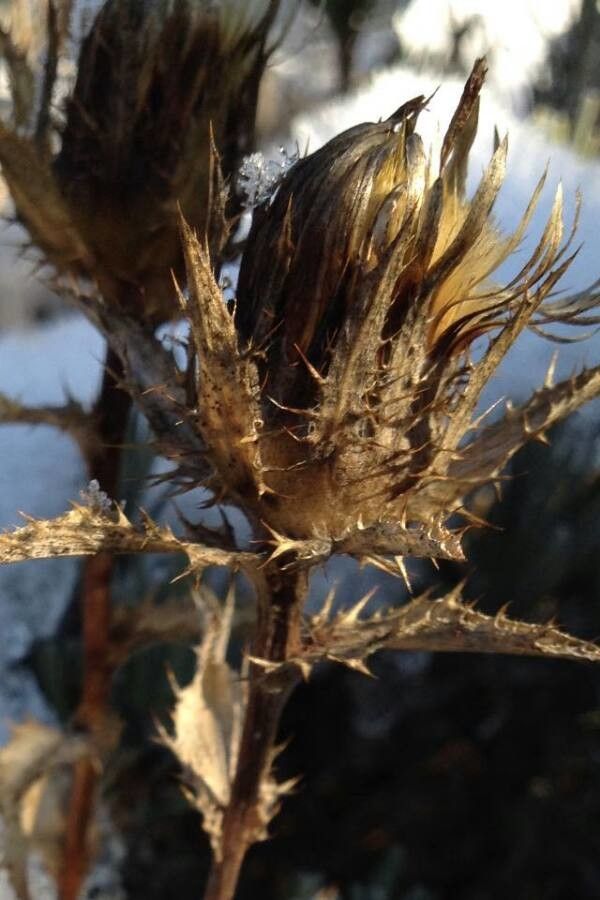
- Harvesting Seeds: Once the flowers fade and dry, you’ll find fuzzy, brown seedheads. Gently collect these seedheads and allow them to dry further in a warm, dry place.
- Sowing Your Seeds: The best time to sow Scolymus hispanicus seeds is in spring or early summer. You can direct sow them outside in a well-prepared bed or start them indoors in seed trays for a head start.
- Perfect Placement: Choose a sunny spot with well-drained soil. Golden Thistles prefer sandy or loamy soil and can tolerate some drought conditions.
- Germination Time: Expect germination to take around 14-21 days, but be patient as some seeds can take longer.
- Thinning: When your seedlings have grown a few true leaves, it’s time to thin them out to provide each plant with enough space to thrive.
Exploring Alternative Propagation Methods
While seed propagation is the most common method, you can also explore other ways to expand your Golden Thistle collection:
- Division: Mature Golden Thistle plants can be divided in spring. Carefully dig up the plant, gently separate the roots into smaller clumps, and replant these divisions into well-prepared soil.
- Root Cuttings: You can also try rooting cuttings taken from mature plants. This involves taking a piece of healthy root and planting it horizontally in a pot filled with moist potting mix.
Tips for Thriving Golden Thistles
- Watering Wisely: Keep the soil consistently moist during the initial stages of growth. Once established, Golden Thistles are drought-tolerant and require less frequent watering.
- Feeding Time: Fertilizing is not necessary unless you’re growing the plant in very poor soil. You can use a balanced fertilizer during the growing season.
- Managing Pests: Golden Thistles are generally pest-free but can be susceptible to aphids and other sucking insects. Monitor the plants regularly and address any pest issues promptly.
A Culinary Delight: Enjoying the Harvest
The roots and leaves of Scolymus hispanicus are edible. The roots are best harvested in the fall or winter for a delicious root vegetable that can be boiled, roasted, or stewed. The leaves have a slightly bitter flavor and can be used in salads, soups, or stews.
Embark on your Golden Thistle Journey
By following these tips, you can easily propagate this unique and rewarding plant and enjoy its beauty and culinary delights for years to come. Start by growing a few plants from seed and watch as your garden grows. You might even discover new ways to propagate and enjoy the Golden Thistle – the possibilities are endless!