
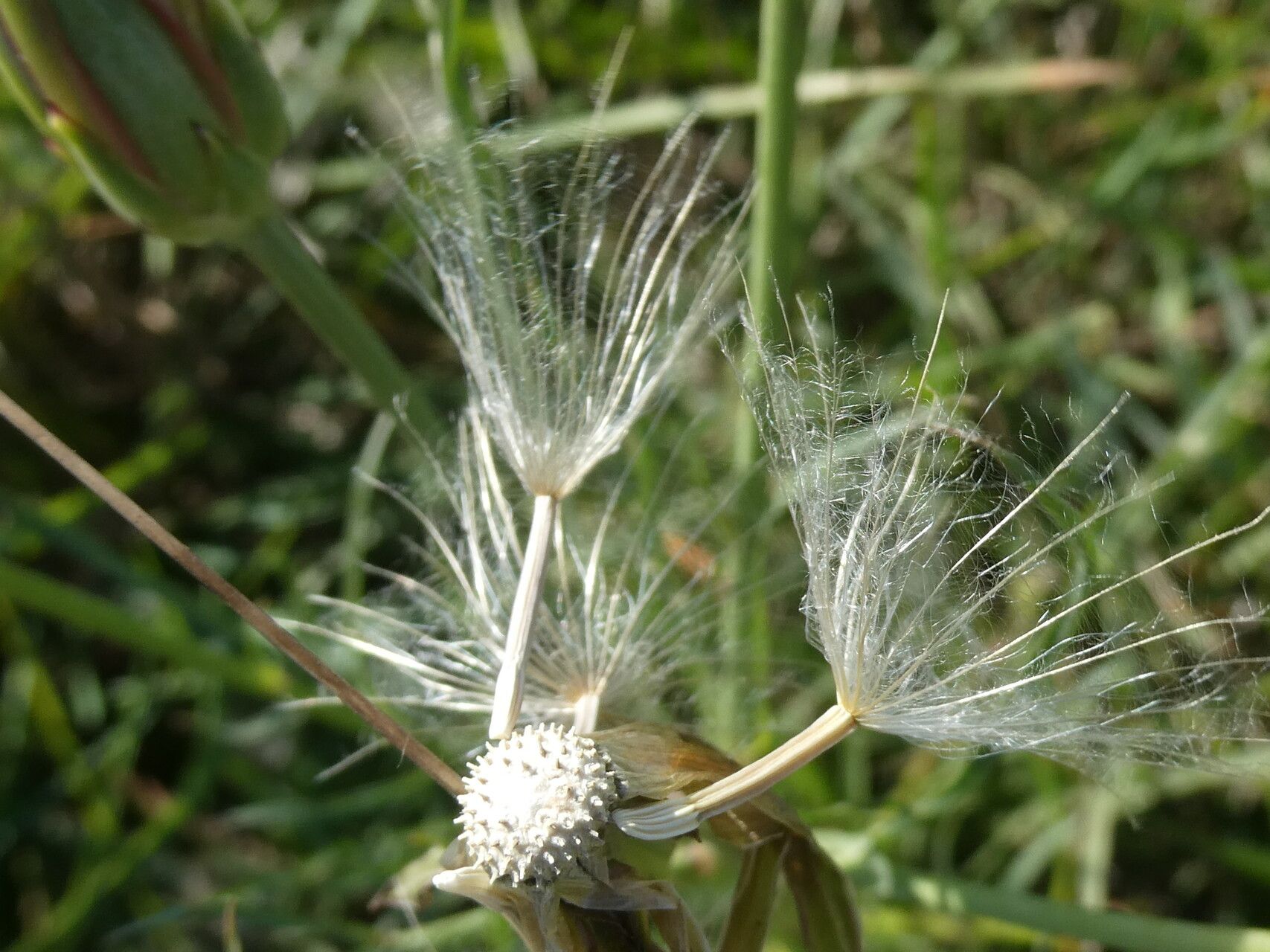
Taming the Wild Viper: Growing Scorzonera laciniata From Seed
Scorzonera laciniata, also known as cutleaf vipergrass or viper’s grass, might sound like the stuff of legends, but this striking plant with its spiky foliage and bright yellow dandelion-esque flowers is a fascinating addition to any garden. Not only beautiful, Scorzonera laciniata is also edible and boasts a rich history in traditional medicine.
If you’re intrigued by this unique plant and eager to introduce it to your garden, you’re in luck! While sometimes considered a wildflower, propagating Scorzonera laciniata is achievable and rewarding.
The Seed of Success: Choosing and Sourcing
The journey begins with sourcing healthy seeds. While Scorzonera laciniata may not be a common sight at your local garden center, reputable online seed retailers can be your trusted providers. When selecting seeds, freshness is key! Choose seeds from recent harvests to maximize germination rates.
Sowing the Seeds: Timing and Technique
Scorzonera laciniata prefers a sunny location with well-drained soil. For best results, direct sow the seeds after the last frost in spring or in early fall. The warmth of the soil will encourage germination.
Here’s a step-by-step guide to sowing:
- Prepare the Bed: Loosen the soil to a depth of about 6-8 inches and remove any large debris.
- Sow the Seeds: Scatter the seeds sparsely over the prepared area, ensuring they are about 12 inches apart. This spacing allows for the plant’s mature size and prevents overcrowding.
- Light Covering: Gently rake a thin layer of soil, no more than ¼ inch, over the seeds.
- Water Gently: Water the area carefully, ensuring the seeds are not dislodged.
Germination and Early Care:
Patience is a virtue, especially in gardening. Scorzonera laciniata seeds can take anywhere from 1 to 3 weeks to germinate, depending on the temperature and soil conditions.
Once the seedlings emerge, thin them out, leaving the strongest ones in place. Maintain consistent moisture, especially during dry spells, but avoid overwatering.
Transplanting Seedlings:
If you started your seeds indoors or need to relocate your seedlings, transplanting is possible:
- Timing: Choose a cool, cloudy day to minimize transplant shock.
- Gentle Handling: Carefully lift the seedlings, handling them by their leaves to avoid damaging the delicate roots.
- Spacing: Transplant to their final location, spacing them about 12 inches apart.
Beyond the Basics: A Note on Root Cuttings
While less common, Scorzonera laciniata can also be propagated through root cuttings. This method is generally done in late fall or early winter. Choose healthy, mature roots and divide them into 2-3 inch sections. Plant these sections vertically in a well-draining potting mix, ensuring the top of the cutting is level with the soil surface.
Reaping the Rewards:
With proper care, your Scorzonera laciniata will flourish, adding a touch of wild beauty and attracting pollinators to your garden. In its second year, the plant will reward you with its unique, edible root, which can be enjoyed roasted, sautéed, or added to soups and stews.
Cultivating Scorzonera laciniata might require a touch of patience, but the rewards of growing this unique and striking plant are well worth the effort. So why not embrace your inner adventurer and welcome this fascinating wildflower to your garden?