
Unearthing the Secrets of Scorzonera Rosea: A Guide to Propagation
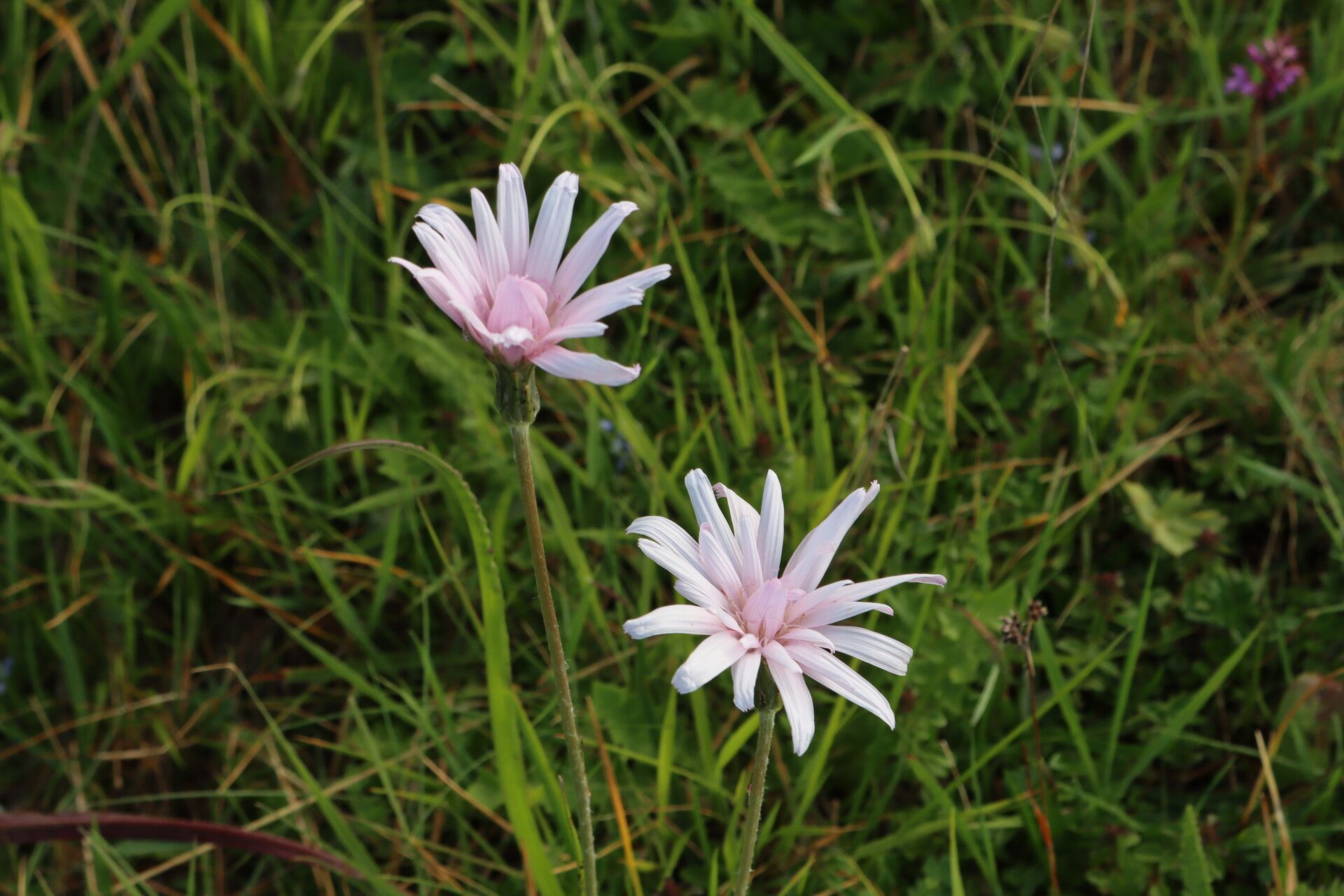
Scorzonera rosea, also known as the viper’s grass, is a charming perennial boasting vibrant pink blooms that resemble those of its cousin, the dandelion. With its delicate beauty and ability to thrive in various conditions, it’s no surprise that gardeners are eager to propagate this enchanting plant.
But don’t let its delicate appearance fool you! Scorzonera rosea is surprisingly hardy and, thankfully, can be propagated in several ways. Whether you’re a seasoned gardener or a budding enthusiast, this guide will equip you with the knowledge to multiply your Scorzonera rosea collection.
1. Seed Sowing: A Journey From Tiny Specks to Beautiful Blooms
Starting from seed is a rewarding process that gives you a front-row seat to the entire life cycle of your Scorzonera rosea. Here’s how to do it:
- Timing is Key: Sow Scorzonera rosea seeds in early spring or late summer, when the soil temperatures are consistently above 15°C (60°F).
- Preparing the Seedbed: Choose a location with full sun to partial shade and well-drained soil. Lightly rake the area to remove any debris and create a fine texture for optimal seed-to-soil contact.
- Sowing the Seeds: Sprinkle the seeds thinly over the prepared soil, aiming for a spacing of 15-20 cm (6-8 inches). Gently press them into the surface, ensuring they are covered with a thin layer of soil.
- Patience is a Virtue: Water the area regularly, keeping the soil consistently moist but not waterlogged. Germination can take a few weeks, so be patient and watch for those first green shoots to emerge.
2. Division: Multiplying Your Floral Bounty
Once you have a mature Scorzonera rosea plant, division offers a reliable method for creating more. Here’s what to do:
- The Right Time: Early spring, just before new growth emerges, or autumn, after flowering has finished, are the ideal times for division.
- Digging Up the Plant: Carefully lift the entire plant from the ground using a garden fork. Ensure you dig a wide circle around the plant to avoid damaging the roots.
- Separating the Crowns: Gently tease apart the plant’s root system into smaller sections, each containing healthy roots and shoots.
- Replanting: Plant the divisions at the same depth they were previously growing, spacing them appropriately. Water them well to help them establish in their new home.
3. Root Cuttings: A Less Common but Equally Effective Method
For the adventurous gardener, propagating Scorzonera rosea from root cuttings can be a rewarding challenge.
- When to Take Cuttings: Late autumn or early winter is the best time to take root cuttings when the plant is dormant.
- Taking the Cuttings: Choose thick, healthy roots and cut them into sections about 5-7 cm (2-3 inches) long. Ensure each section has a visible growth point or bud.
- Planting the Cuttings: Plant the root sections horizontally in a tray filled with a well-draining potting mix. Bury them about 2 cm (1 inch) deep, ensuring the growth point is facing upwards.
- Creating a Humid Environment: Water lightly and cover the tray with a propagator lid or cling film to retain moisture. This will help create a humid environment for the cuttings to root.
Caring for Your Newly Propagated Scorzonera Rosea
Regardless of the propagation method you choose, providing the right care is crucial for your new plants to flourish. Ensure they receive adequate sunlight, well-drained soil, and consistent watering, especially during their initial establishment phase.
With a little patience and care, you’ll be rewarded with even more of these gorgeous blooms to grace your garden. So go ahead and try your hand at propagating Scorzonera rosea – you might just discover a green thumb you never knew you had!