Propagating Knotted Figwort (Scrophularia nodosa): A Gardener’s Guide
Introduction:
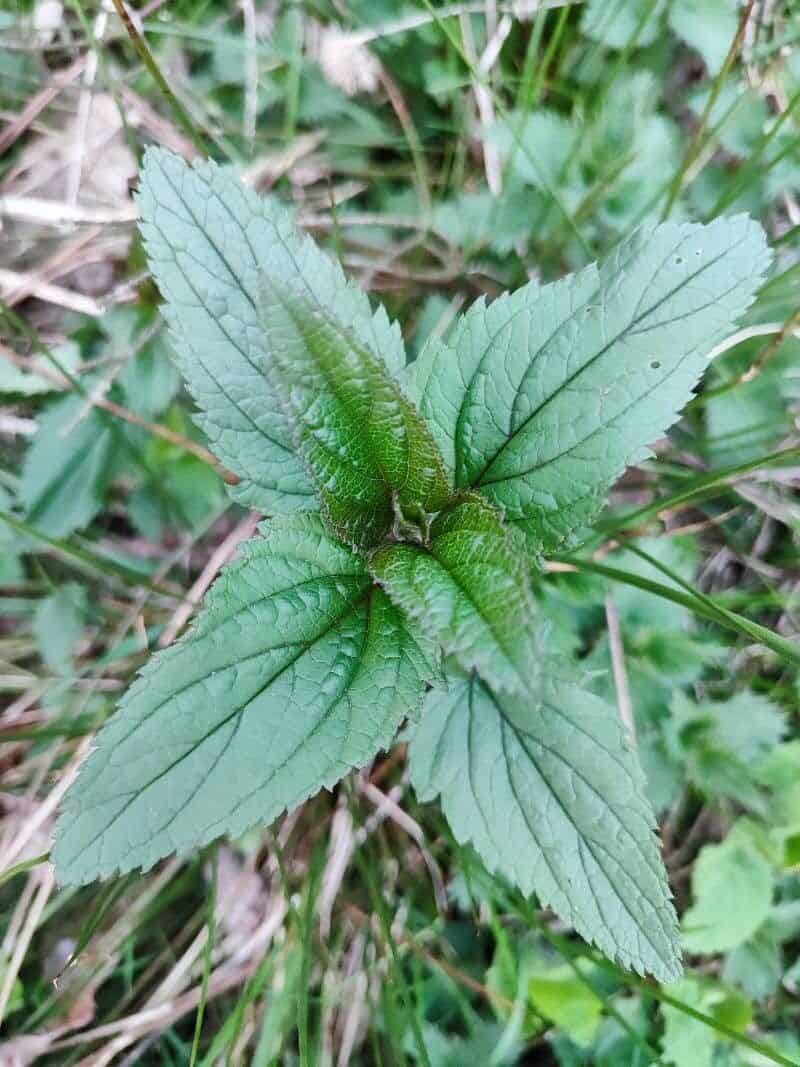
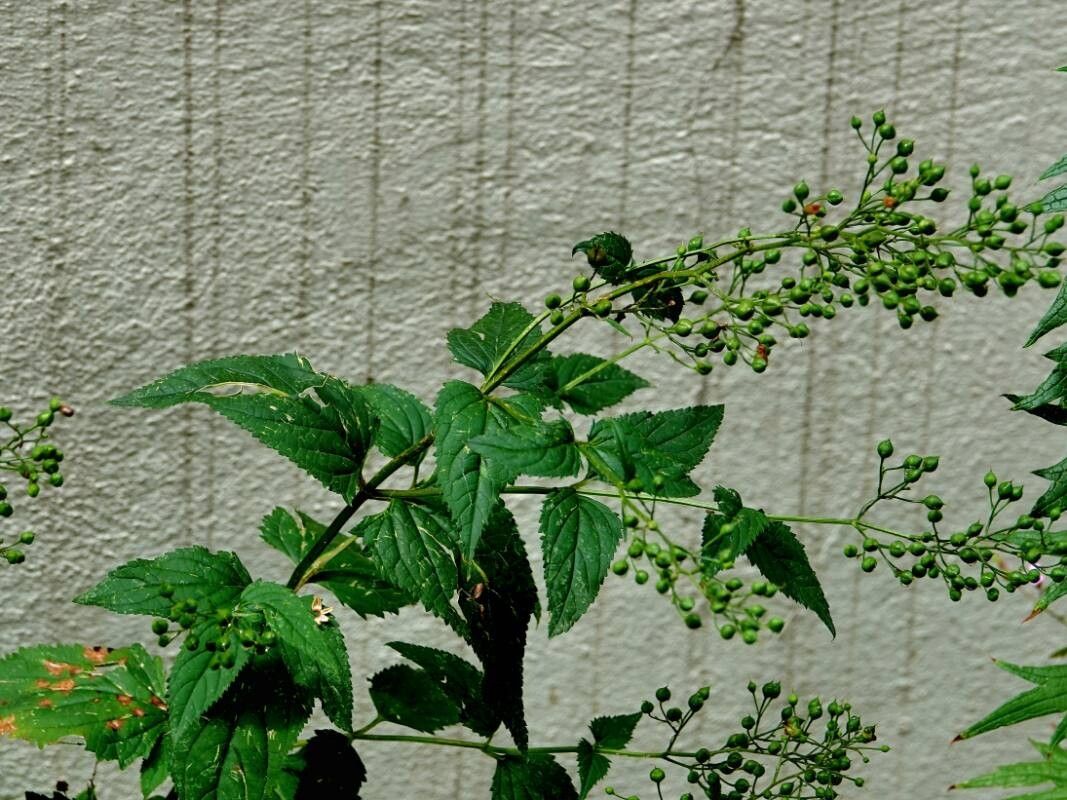
Scrophularia nodosa, commonly known as Knotted Figwort, is a rather unassuming yet fascinating herbaceous perennial. Its delicate, somewhat unkempt appearance belies a certain charm, characterized by square stems, oppositely arranged ovate leaves with serrated edges, and inconspicuous greenish-brown flowers clustered in loose panicles. While not a showstopper in the traditional sense, its subtle beauty, ease of maintenance in suitable conditions, and its medicinal properties (historically used, though not recommended for self-medication) have earned it a place in the hearts of some gardeners. Propagation, however, presents unique challenges and rewards, making it a rewarding pursuit for those willing to put in the effort.
Seed Germination:
Currently, there are no known reliable methods for seed germination propagation of Scrophularia nodosa. While the plant does produce seeds, germination rates are notoriously low, and success is largely unpredictable. Further research into specific germination requirements, including potential stratification or pre-treatment methods, may yield results in the future, but currently, this is not a viable propagation technique.
Cuttings:
Cuttings offer a more reliable method for propagating Scrophularia nodosa.
Challenges: Rooting success depends heavily on timing and technique. Older, more lignified stems are less likely to root.
Practical Tips: Take semi-hardwood cuttings in late summer or early autumn. Use a sharp knife or shears to obtain 8-10cm cuttings with several leaf nodes. Remove lower leaves to prevent rotting. Dip the cut ends in rooting hormone powder. Plant cuttings in a well-draining propagation mix (e.g., peat moss and perlite) and keep consistently moist but not waterlogged under a propagator or humidity dome.
Rewards: Cuttings provide a relatively quick way to obtain new plants, preserving the genetic characteristics of the mother plant. This method is suitable for smaller-scale propagation.
Division:
Division is arguably the easiest and most reliable method for propagating Scrophularia nodosa.
Challenges: Division is only possible when the plant is established and has developed a sufficient root system. Careful handling is necessary to avoid damaging the roots.
Practical Tips: The best time to divide Scrophularia nodosa is in spring or autumn. Gently dig up the plant, carefully separating the root crown into several smaller sections, each with its own healthy roots and shoots. Replant each section immediately in a suitable location, ensuring the roots are well-covered with soil.
Rewards: Division is simple, relatively quick, and highly successful. It’s ideal for increasing the number of plants in a garden setting.
Tissue Culture:
Tissue culture propagation of Scrophularia nodosa is, to the best of our present knowledge, largely unexplored. This method, while potentially offering the capability for mass propagation and disease-free plants, requires specialized equipment, sterile conditions, and specific expertise. Limited publicly available information exists at this time.
Conclusion:
Propagating Scrophularia nodosa presents its own set of hurdles. While seed germination proves currently unreliable, cuttings provide a moderately successful approach, and division offers a straightforward and highly effective method for most gardeners. The potential for exploring tissue culture remains largely untapped. The challenge, however, is part of the reward. Successfully propagating this seemingly unassuming plant brings a quiet satisfaction, a testament to the gardener’s patience and understanding of the plant’s specific needs. For those seeking a unique and rewarding propagation experience, Knotted Figwort presents a delightful, if sometimes frustrating, challenge. Start with division—it’s the easiest path to success, and from there, you can experiment with cuttings. Embrace the learning process, for the subtle beauty of the Knotted Figwort will more than reward your efforts.