
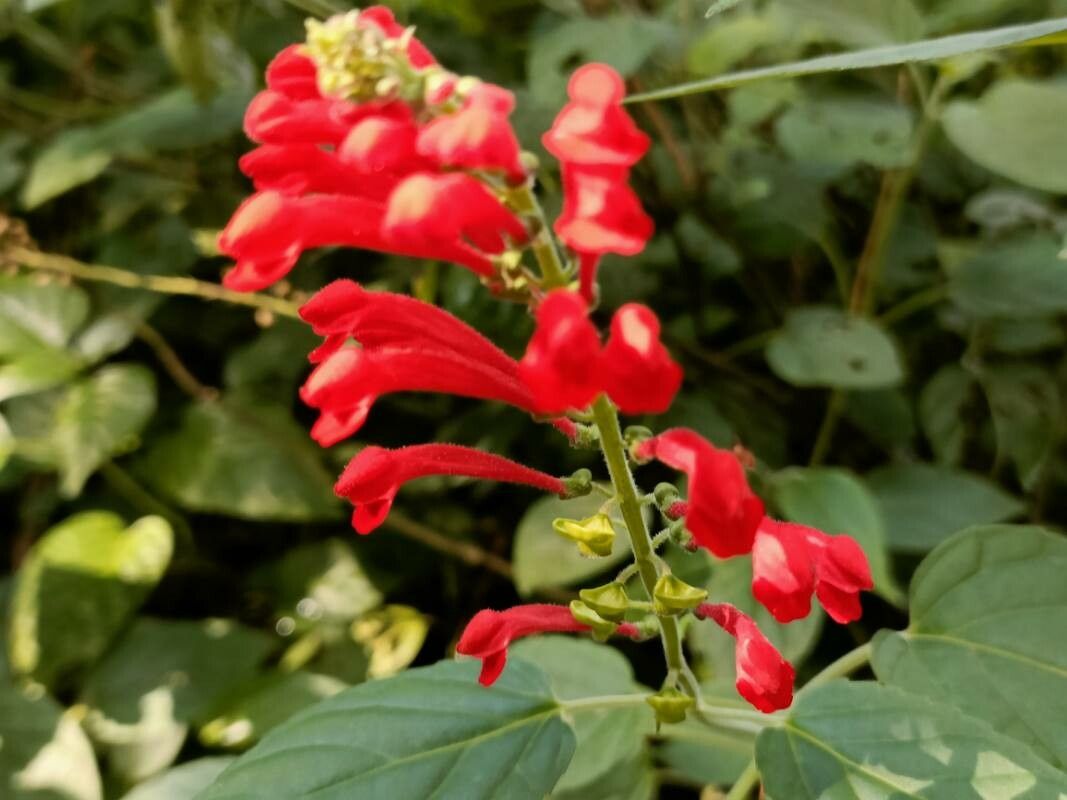
From One to Many: Propagating the Scarlet Skullcap (Scutellaria coccinea)
The Scarlet Skullcap, or Scutellaria coccinea, is a stunning wildflower that boasts vibrant red blooms throughout the summer. Its unique shape and color make it a captivating addition to any garden, and the good news is that it’s surprisingly easy to propagate! Whether you’re looking to share this beauty with friends or expand your own garden, propagation offers an accessible way to multiply your Scarlet Skullcap plants.
Two Paths to Propagation:
There are two primary methods for propagating Scutellaria coccinea: seed propagation and cuttings. Both methods have their own strengths and weaknesses, so let’s dive into the details.
1. Seed Propagation:
- Advantages: Seed propagation is cost-effective and allows you to create a large number of new plants from a single seed packet.
- Disadvantages: Seeds may take longer to germinate and establish compared to cuttings.
- Process:
- Collect seeds from mature flower stems.
- Sow seeds in a seed tray or pots filled with a seed starting mix. Keep the soil moist but not soggy.
- Place the tray in a bright but indirect location.
- Germination may take several weeks.
- Once seedlings develop a few true leaves, transplant them into individual pots or directly into the garden.
2. Cuttings:
- Advantages: Cuttings offer faster and more reliable results than seed propagation.
- Disadvantages: Requires a bit more specialized technique.
- Process:
- Take softwood cuttings (new growth) from the plant in late spring or early summer.
- Cut a 4-6 inch piece just below a node (where leaves grow).
- Remove the lower leaves and dip the base of the cutting in rooting hormone.
- Plant the cutting in a pot filled with a perlite and peat moss mix.
- Keep the soil moist and place the pot in a bright, indirect location.
- Roots should develop within a few weeks.
- Once rooted, transplant your new Scarlet Skullcap to its permanent location.
Key Points to Remember:
- Light: Scutellaria coccinea prefers partial shade or full sun, so provide your plants with adequate light for optimal growth.
- Watering: Keep the soil consistently moist, but avoid overwatering to prevent root rot.
- Soil: This wildflower thrives in well-draining soil.
- Timing: Propagation is best done in the spring or early summer for optimal success.
- Patience: Propagation requires some patience, but the rewards of growing beautiful Scarlet Skullcaps are well worth the effort!
Share the Beauty:
Once your Scutellaria coccinea plants are thriving, consider sharing their beauty with friends and family. Propagating this gorgeous wildflower is a rewarding experience that will help you enjoy its vibrant blooms for years to come.