
Unveiling the Mysteries of Propagating the Majestic Scutellaria columnae
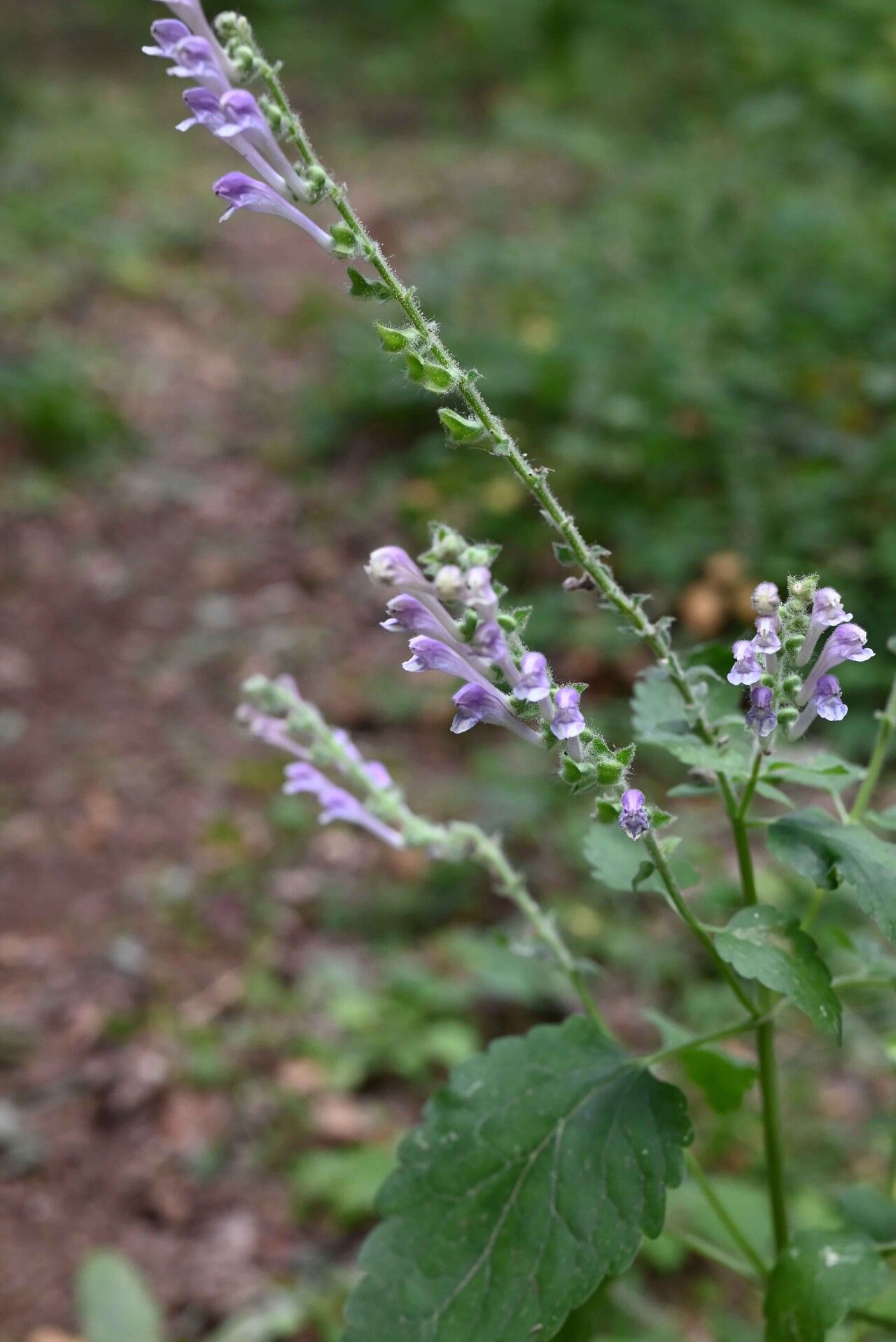
The Scutellaria columnae, with its striking vertical flower spikes and unique helmet-shaped blooms, is a sight to behold. This rare perennial, hailing from the mountains of Turkey, can be a prized addition to any rock garden or alpine house willing to cater to its specific needs. While admiring its beauty is one thing, successfully propagating this botanical gem is an accomplishment for any plant enthusiast.
This guide delves into the art of propagating Scutellaria columnae, equipping you with the techniques to expand your collection and share its splendor.
Understanding the Options
Scutellaria columnae can be propagated through two primary methods:
- Seed Propagation: This method, while requiring patience, offers the reward of witnessing the plant’s entire life cycle.
- Basal Cuttings: Ideal for replicating desirable traits, this technique provides quicker results compared to growing from seed.
1. The Seed Route – A Test of Patience and Care
- Sourcing Seeds: Obtaining seeds might pose a challenge due to the plant’s rarity. Reputable online nurseries specializing in alpine or unusual plants are your best bet.
- Sowing Time: Early spring is the ideal time to sow Scutellaria columnae seeds.
- Germination Conditions: Use a well-draining seed starting mix. Sow seeds on the surface and lightly press them in. Maintain a cool temperature (around 18-21°C) and keep the soil consistently moist but not waterlogged.
- Transplanting Seedlings: Germination can be erratic and might take several weeks or even months. Once seedlings develop a couple of true leaves, carefully transplant them into individual pots using a well-draining potting mix.
2. Basal Cuttings – A Faster Path to Propagation
- Timing is Key: Take basal cuttings in late spring or early summer when the plant exhibits vigorous new growth.
- Taking the Cutting: Using a clean, sharp knife or pruning shears, carefully sever a healthy, non-flowering shoot at the base where it meets the crown of the plant. The ideal cutting is around 5-8 cm long.
- Preparing the Cutting: Remove the lower leaves, leaving only a few at the top. Dip the cut end in rooting hormone (optional but recommended) to encourage root development.
- Planting: Plant the cutting in a small pot filled with a well-draining mix of peat moss and perlite or vermiculite. Gently firm the mix around the base of the cutting.
- Creating a Humid Environment: Cover the pot with a clear plastic bag or use a propagation dome to create a warm, humid environment. Place the pot in a bright location but out of direct sunlight.
- Rooting and Transplanting: Rooting usually occurs within 4-6 weeks. Once you see new growth, it indicates successful rooting. Harden off the cuttings by gradually acclimating them to outdoor conditions before transplanting them to their final location.
Essential Care Tips for Success
Regardless of the method you choose, providing the right care is crucial for successful propagation and the long-term health of your Scutellaria columnae:
- Well-Drained Soil: This plant thrives in well-drained soil and is susceptible to root rot in waterlogged conditions.
- Adequate Sunlight: Provide at least 4-6 hours of sunlight per day.
- Watering: Water regularly during the growing season, allowing the soil to dry slightly between watering. Reduce watering during the winter months.
Propagating Scutellaria columnae might seem daunting, but with patience, the right techniques, and optimal care, you can expand your collection and enjoy the beauty of this captivating plant for years to come.