
Propagating Searsia lucida: A Gardener’s Guide to the Shiny-Leaved Wonder
Introduction:
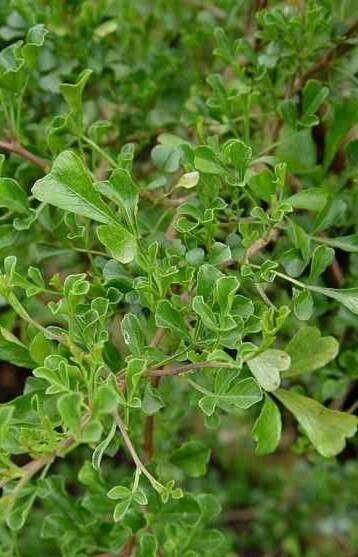
Searsia lucida, commonly known as the shiny-leaved currant or woodies, is a striking evergreen tree or shrub indigenous to southern Africa, prized for its glossy, deep green foliage and attractive, reddish-brown new growth. Its adaptability and tolerance of various conditions have earned it popularity amongst gardeners seeking an attractive and relatively low-maintenance addition to their landscapes. However, propagating Searsia lucida presents a unique set of challenges, making successful cultivation all the more rewarding. The plant’s popularity underscores the need for effective propagation methods to meet the demand for this desirable species.
Seed Germination:
Currently, there are no known reliable methods for seed germination propagation of Searsia lucida. While seeds may be produced, their germination rate is notoriously low, and germination success remains unpredictable even with various pre-treatments. Further research into specific germination requirements is needed before this method can be considered viable for widespread adoption.
Cuttings:
Cuttings offer a more promising approach to Searsia lucida propagation.
Challenges: Rooting success can be variable, depending on factors such as the timing of the cutting, the type of cutting (hardwood vs. softwood), and the growing medium. The presence of naturally occurring plant growth inhibitors can also impede rooting.
Practical Tips: Softwood cuttings taken in spring or early summer, from actively growing shoots, typically yield the best results. These cuttings should be approximately 10-15cm long with several leaves, the lower leaves removed before planting. A rooting hormone can significantly increase the chances of success. Use a well-draining propagation mix, maintain high humidity (using a propagator or humidity dome), and ensure appropriate light conditions (bright, indirect light).
Rewards: Cuttings offer a reliable method for cloning a desirable plant, preserving its specific characteristics. It’s a relatively simple technique once mastered, facilitating the propagation of large quantities of genetically uniform plants for commercial or personal use.
Division:
Division is generally not suitable for propagating Searsia lucida. This method works best with plants that have readily separable root systems, which is not the case for Searsia lucida. Its relatively deep and extensive root structure makes division impractical and likely to severely damage the parent plant.
Tissue Culture:
Tissue culture offers a potentially high-yield method for Searsia lucida propagation.
Challenges: Establishing a successful tissue culture protocol requires specialized knowledge, equipment, and sterile conditions, making it a costly and technically demanding approach. Finding the optimal hormonal balance for shoot proliferation and root induction can prove challenging for this species.
Practical Tips: Successful tissue culture requires aseptic techniques, appropriate nutrient media, and a controlled environment. Experienced tissue culturists can adapt existing protocols for similar species, but preliminary experimentation will be needed to optimize the process for Searsia lucida.
Rewards: Tissue culture allows for large-scale, rapid propagation of genetically identical plants, free from diseases. This technique provides a potential source of planting material for conservation efforts or commercial applications.
Conclusion:
Propagating Searsia lucida presents several obstacles. While seed propagation is currently unreliable, cuttings offer a relatively accessible method for the enthusiastic home gardener, albeit one requiring patience and attention to detail. Tissue culture presents a high-potential, but more technically complex solution for large-scale propagation. The challenges involved underscore the unique satisfaction derived from successfully cultivating this plant. The glossy leaves and overall resilience of a successfully propagated Searsia lucida are a testament to the gardener’s dedication and skill, making the effort wholly worthwhile. Aspiring propagators should begin with the cutting method, focusing on meticulous technique and maintaining optimal conditions. Don’t be discouraged by initial setbacks; persistence and careful observation are key to success in propagating this rewarding plant.