
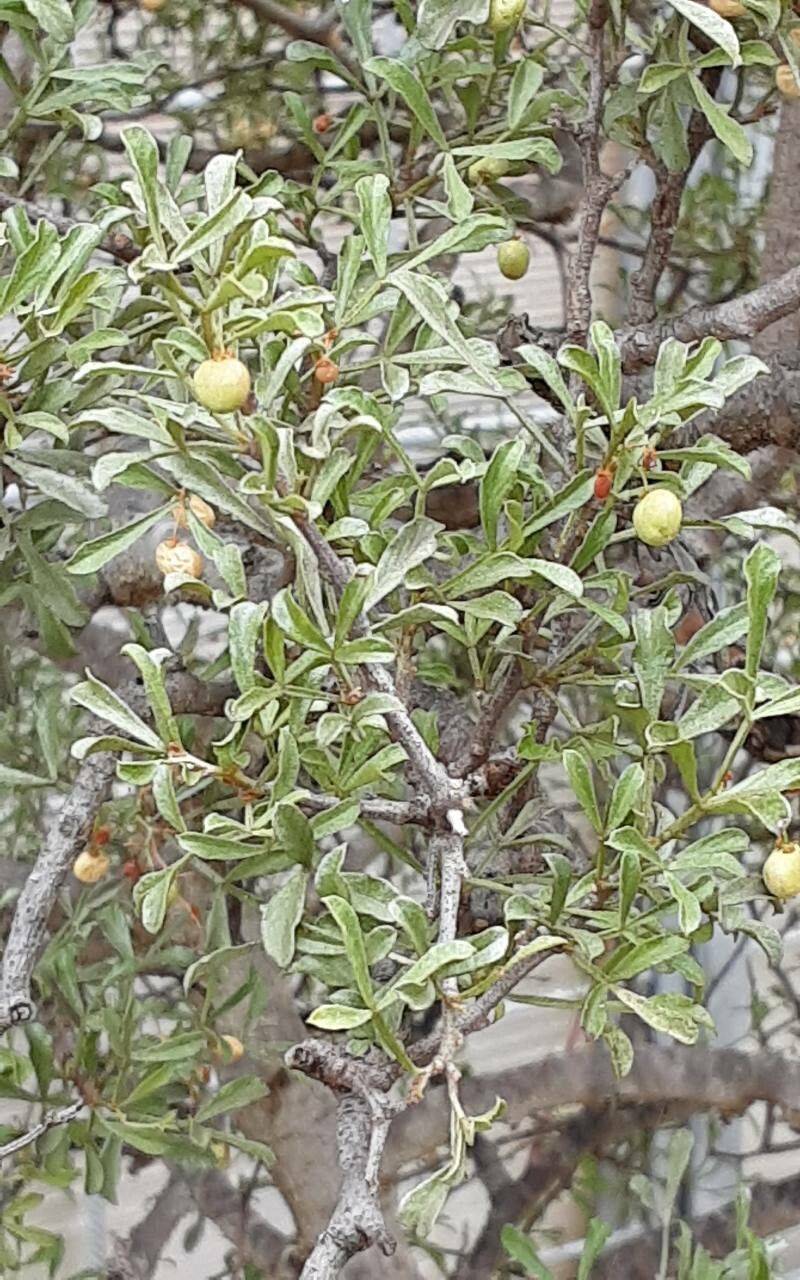
Unlocking the Secrets of Propagation: Bringing New Life to Searsia Undulata
Have you ever gazed at the lush, undulating foliage of a Searsia undulata and wished you could share its beauty with your own garden? Well, good news! This versatile and adaptable plant is surprisingly easy to propagate, allowing you to expand your collection or gift a piece of its charm to loved ones.
Understanding Searsia Undulata:
Before we dive into the propagation process, let’s get acquainted with this intriguing plant. Searsia undulata, formerly known as Rhus undulata, is a small, deciduous tree or large shrub native to South Africa. Its common names, like Cape Sumach, reflect its striking foliage, characterized by wavy, deeply lobed leaves that shimmer in shades of green, orange, and red, depending on the season.
Methods for Propagation:
Now, let’s get to the exciting part – propagating your own Searsia undulata! This plant offers several propagation methods, catering to different skill levels and preferences:
This method is best for beginners and achieves the fastest results. Take cuttings from new, soft, green growth in early spring. Select stems approximately 4-6 inches long, with at least three leaf nodes. Here’s how:
- Prepare the cut: Use sharp, sterilized shears to make a clean cut just below a node. You can also remove the lowest leaves to prevent rot.
- Dip in rooting hormone: This step boosts rooting success. Apply a rooting hormone powder or gel to the cut end.
- Planting: Place the cuttings in a pot filled with a well-draining potting mix, burying the lower node. Keep the mix moist but not soggy.
- Protect and nurture: Cover the pot with a clear plastic bag or use a mini-greenhouse to create a humid environment. Place it in a bright, indirect light location. Water sparingly as needed.
2. Hardwood Cuttings:
If you’re looking for a slightly more challenging but rewarding method, try hardwood cuttings. Take cuttings from the previous season’s growth in late fall or winter when the plant is dormant. Follow these steps:
- Cut and prepare: Use sharp shears or a saw to harvest cuttings about 8-12 inches long, cutting below a budding node.
- Prep the cut: Remove the lower leaves and apply a rooting hormone if desired.
- Planting: Place the cuttings in a potting mix specific for hardwood cuttings, keeping the top bud exposed.
- Induce rooting: To facilitate rooting, you can place the pot in a cold frame or a protected outdoor spot for several weeks.
- Patience is key: While this method requires more time, it often results in strong and healthy plants.
3. Seed Propagation:
This method is a bit more time-consuming but offers the thrill of starting from scratch. You can collect mature seeds in the fall and plant them in spring.
- Preparation: Clean the seeds and remove the fleshy covering.
- Sowing: Sow the seeds in a well-draining potting mix. Cover them lightly with soil and mist them regularly.
- Keep warm and moist: Place the pot in a warm and sunny location and maintain consistent moisture.
- Germination: While germination times vary, be patient, and watch for tiny seedlings to emerge.
Tips for Success:
- Choose healthy plants: Start with healthy and vigorous mother plants to ensure strong cuttings.
- Sterilize tools: Always sterilize your tools to prevent disease transmission.
- Water wisely: Maintain consistent moisture without overwatering, as this can lead to root rot.
- Monitor for pests and diseases: Keep an eye out for any signs of pests or diseases and address them promptly.
From Seedling to Splendor:
Once your Searsia undulata cuttings or seedlings take root, they will require a bit of care as they grow. They prefer full sun, well-drained soil, and regular watering.
With proper care, your new plant will thrive, filling your garden with its stunning foliage and resilience for years to come.
So, whether you choose softwood cuttings, hardwood cuttings, or seeds, propagation unlocks a world of exciting possibilities. Embrace the journey of nurturing life, and enjoy the rewarding experience of watching your Searsia undulata flourish!