
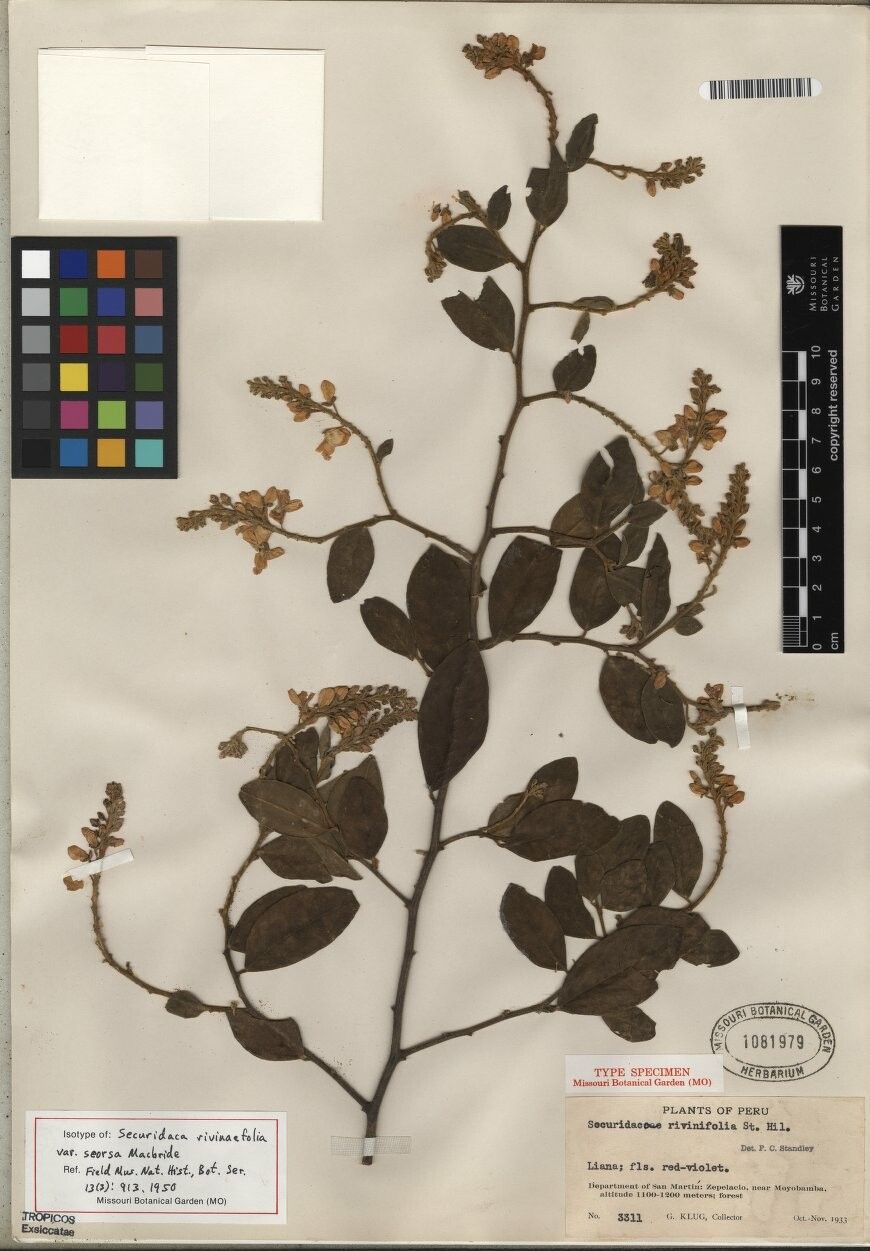
Propagating the Brazilian Butterfly Bush: A Gardener’s Guide to Securidaca divaricata
Introduction:
Securidaca divaricata, commonly known as the Brazilian Butterfly Bush, is a captivating shrub renowned for its fragrant, butterfly-attracting flowers and attractive foliage. Its elegant, cascading habit and vibrant purple blooms make it a highly sought-after addition to any garden, particularly in warmer climates. However, propagating this beautiful plant presents unique challenges. While gardeners appreciate its beauty, its propagation is not consistently straightforward, requiring patience and a thorough understanding of the various techniques. This article explores different propagation methods for Securidaca divaricata, highlighting their successes and failures.
Seed Germination:
Currently, there are no known reliable methods for seed germination propagation of Securidaca divaricata. While seeds may be produced, their germination rate is notoriously low, and successful germination in a controlled environment remains largely undocumented. Further research is needed to determine optimal germination conditions, including potential scarification techniques or specific temperature and moisture requirements. The challenges likely stem from the seed coat’s hardiness and possibly the presence of seed dormancy mechanisms.
Cuttings:
Cuttings offer a more promising method for propagating Securidaca divaricata.
- Challenges: Success rates can vary depending on the timing and technique. Using semi-hardwood cuttings taken in late summer or early autumn generally yields the best results. Rotting can be a significant issue if cuttings are not kept in well-draining media and a humid environment. The plant’s relatively slow growth also means that propagation via cuttings requires patience.
- Practical Tips: Take cuttings of about 4-6 inches long, removing lower leaves to prevent rot. Use a rooting hormone to encourage root development. Plant cuttings in a well-draining potting mix, ideally a mix containing perlite or vermiculite to improve aeration. Maintain a high humidity level using a humidity dome or regularly misting the cuttings. Place the cuttings in a bright location out of direct sunlight.
- Rewards: Cuttings provide a relatively quick and reliable method to produce genetically identical plants, preserving desirable traits. Once established, cuttings provide a potentially faster route to a mature plant than seed germination.
Division:
Division is not a practical propagation method for Securidaca divaricata, as it’s not a plant that readily forms multiple stems or clumps suitable for division.
Tissue Culture:
Tissue culture offers a potential avenue for large-scale propagation of Securidaca divaricata. However, establishing sterile cultures and finding the appropriate media and growth regulators would require specialized knowledge and equipment. It’s a laboratory-based technique which is not generally feasible for home gardeners.
- Challenges: Establishing a sterile culture is crucial to avoid contamination. Specialized knowledge, equipment, and sterile conditions are required. This method is relatively expensive and time-consuming.
- Practical Tips: This method is best left to specialized nurseries or research facilities with the resources and expertise. No specific advice can be given here without a detailed understanding of tissue culture techniques.
- Rewards: Tissue culture can produce a vast number of genetically identical plants in a relatively short time, making it ideal for commercial propagation.
Conclusion:
Propagating Securidaca divaricata presents some unique challenges. While seed germination is unreliable, cuttings offer a more achievable, albeit not always easily successful method for the home gardener. Tissue culture is a highly effective, albeit more complex and costly, option for large-scale propagation. The relatively slow growth and susceptibility to rot during propagation require patience and careful attention to detail. Yet, the reward of successfully nurturing these beautiful plants from cuttings, overcoming the challenges, is profoundly satisfying, adding to the deep connection between gardener and plant. Don’t be discouraged by initial setbacks. With perseverance and a dedication to mastering the proper techniques, you can experience the joy of successfully propagating this exceptional Brazilian Butterfly Bush.