
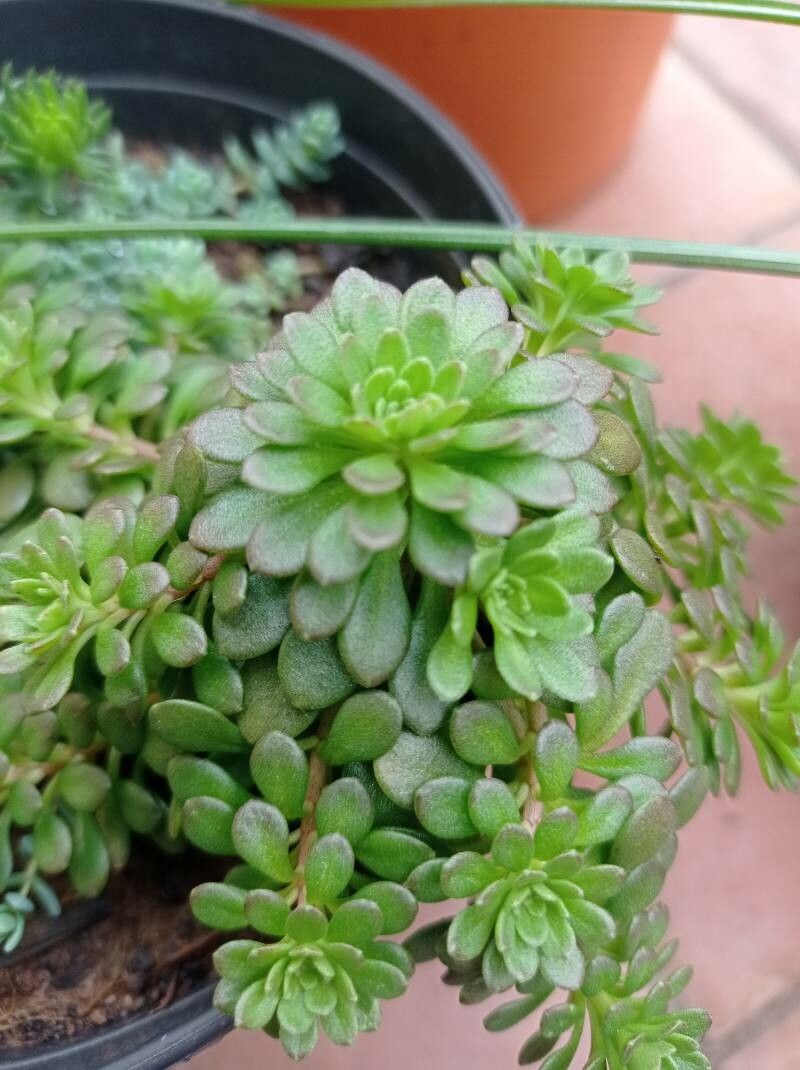
Propagating Sedum cepaea: Multiplying the Magic of Rosy Stonecrop
Sedum cepaea, more commonly known as Rosy Stonecrop, is a charming perennial with delicate, star-shaped flowers that bloom in soft pinks and whites. Native to the mountainous regions of Europe, this low-growing succulent thrives in sunny locations and well-drained soil, adding a touch of wild beauty to rock gardens, borders, and even green roofs.
One of the most appealing aspects of Sedum cepaea is the ease with which it can be propagated. So, if you’re looking to expand your collection or share this captivating plant with friends, you’ll be pleasantly surprised by how straightforward the process can be. Let’s explore the two main methods of propagation:
1. Seed Propagation: From Tiny Specks to Blooming Beauties
While slightly more patience-demanding, growing Sedum cepaea from seed is a rewarding experience that allows you to witness the plant’s entire life cycle.
Here’s what you need to do:
- Collect the Seeds: After the flowers fade, small seed pods will form. Once dried, gently crush them to collect the tiny, dust-like seeds.
- Prepare the Seedbed: Fill a seed tray or pot with a well-draining seed starting mix.
- Sow the Seeds: Sprinkle the seeds over the surface, barely pressing them in. Don’t bury them deep, as they need light to germinate.
- Water and Wait: Mist the soil gently and keep it consistently moist but not waterlogged. Place the tray in a bright location, out of direct sunlight.
- Transplanting: Germination takes around 2-4 weeks. Once the seedlings have developed a couple of true leaves, they can be carefully transplanted into individual pots or directly into the garden.
2. Stem Cuttings: The Fast Track to New Plants
Stem cuttings offer a quicker and often more successful way to propagate Rosy Stonecrop, especially for beginners.
Here’s a step-by-step guide:
- Take the Cuttings: In spring or early summer, select healthy, non-flowering stems. Using clean, sharp scissors or a knife, take cuttings around 3-4 inches long.
- Prepare the Cuttings: Remove the lower leaves, leaving only a few at the top. Allow the cuttings to dry for a day or two, letting the cut end form a callus.
- Plant the Cuttings: Fill a pot or tray with a well-draining potting mix. Create small holes in the soil and insert the cut end of the stems, burying at least one node (where leaves were attached).
- Water and Care: Water the cuttings well and place them in a bright location, away from direct sunlight. Avoid overwatering, as this can lead to rot.
- Rooting and Growth: In a few weeks, the cuttings will develop roots. You’ll notice new growth at the top, indicating successful propagation. Once the roots are established, you can transplant them to their permanent location.
Tips for Success:
- Timing is Key: Propagate in spring or early summer when the plant is actively growing.
- Well-Draining Soil: Sedum cepaea thrives in well-drained soil. Use a specialized succulent mix or amend regular potting soil with perlite or sand.
- Light is Essential: Provide bright, indirect light for optimal growth and rooting.
- Water Wisely: Water deeply but infrequently, allowing the soil to dry out between waterings.
Propagating Sedum cepaea is a gratifying process that allows you to expand your garden with minimal effort. Whether you choose to propagate from seed or cuttings, with a bit of care and attention, you can enjoy the delicate beauty of Rosy Stonecrop for years to come.