
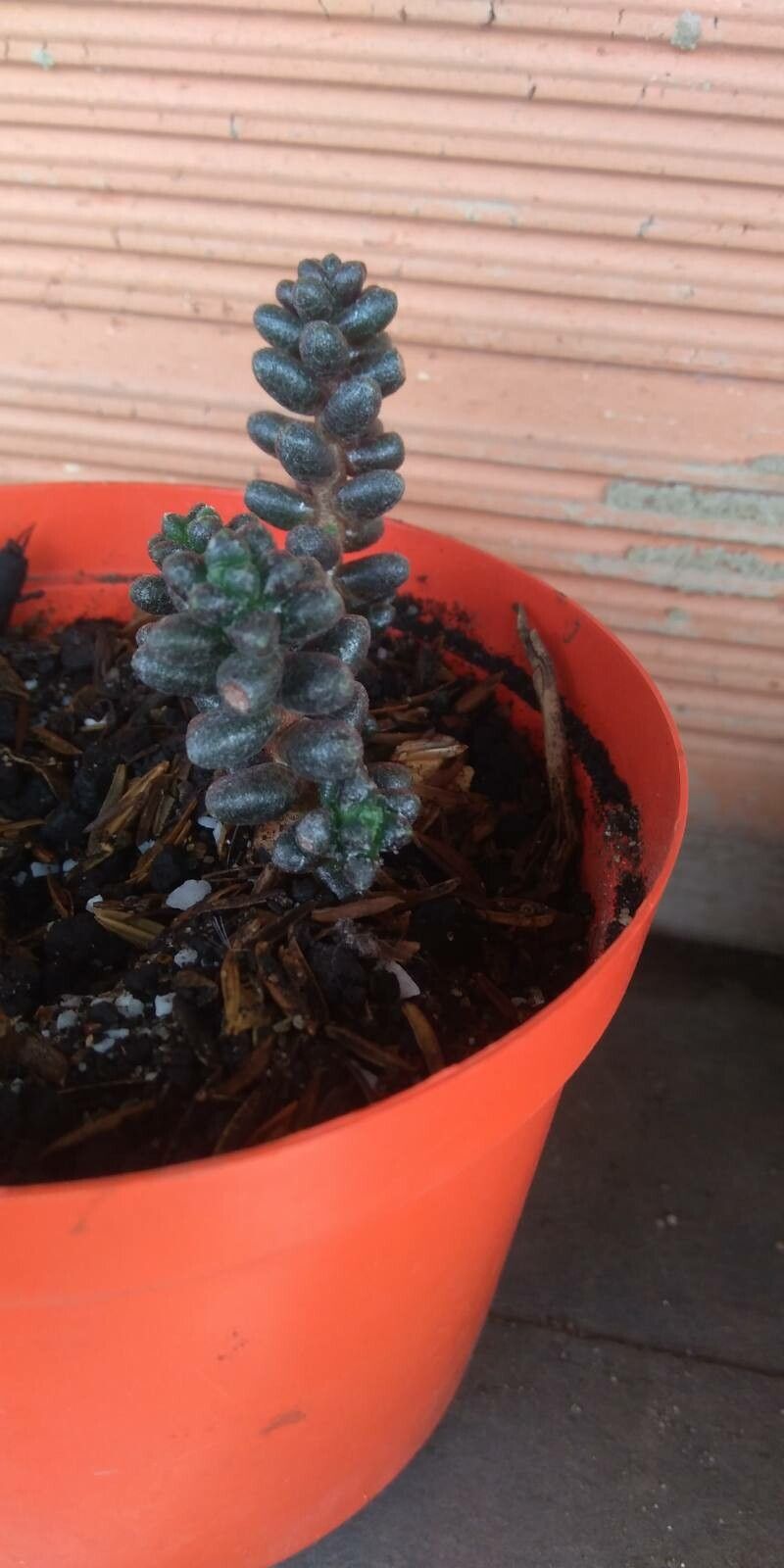
Propagating Sedum furfuraceum: Unveiling the Secrets of the Chalky Stonecrop
Introduction:
Sedum furfuraceum, commonly known as the Chalky Stonecrop, is a captivating succulent prized for its distinctive, powdery blue-grey foliage and charming, star-shaped pink flowers. Its drought tolerance and low-maintenance nature have made it a favourite among gardeners, particularly those embracing xeriscaping or rock gardens. However, propagation can present some unique challenges, making successful cultivation all the more rewarding. While several methods are possible, each presents specific hurdles and triumphs.
Seed Germination:
Currently, there are no known reliable methods for seed germination propagation of Sedum furfuraceum. While the plant does produce seeds, their germination rate is notoriously low, and successful propagation through this method is rarely reported in horticultural literature. Further research into specific germination requirements, including potential stratification needs, might yield results, but currently, this method is not considered viable for practical propagation.
Cuttings:
Cuttings offer a considerably more reliable method for propagating Sedum furfuraceum.
Challenges: While relatively straightforward, ensuring proper callusing and preventing rot is crucial. The powdery coating on the leaves can sometimes hinder the rooting process.
Practical Tips: Take stem cuttings in spring or summer, allowing them to dry for a few days to form a callus before planting in well-draining succulent potting mix. Avoid overwatering, which can lead to rot. Using a rooting hormone can slightly improve success rates. Propagating in a humid environment (e.g., under a cloche or humidity dome) can also enhance rooting.
- Rewards: Cuttings are relatively quick and easy, offering a high success rate compared to other methods. This method allows for the efficient replication of desirable characteristics from a mother plant.
Division:
Division is another effective propagation technique for Sedum furfuraceum, particularly for established, larger plants.
Challenges: Care must be taken to avoid damaging the delicate roots during the separation process. Ensuring each division has a healthy root system and sufficient foliage is essential for successful establishment.
Practical Tips: Divide the plant during its spring growth period. Carefully separate the offsets or sections of the root ball, ensuring each division contains healthy roots and several stems. Plant the divisions in well-draining soil, avoiding overwatering.
- Rewards: Division is relatively quick and simple, producing multiple plants from a single parent plant. It maintains the genetic characteristics of the mother plant.
Tissue Culture:
Tissue culture, while a more advanced and technically demanding method, offers the potential for large-scale propagation of Sedum furfuraceum.
Challenges: Requires specialized equipment, sterile conditions, and a thorough understanding of plant tissue culture techniques. Finding the optimal media and growth hormones can require experimentation.
Practical Tips: This method is best left to laboratories or experienced propagators. Specialized nutrient media and growth regulators must be used to promote shoot and root development. Strict sterile conditions are crucial to prevent contamination.
- Rewards: Tissue culture allows for mass production of genetically identical plants, offering possibilities for commercial propagation and the preservation of rare cultivars.
Conclusion:
Propagating Sedum furfuraceum presents a spectrum of challenges and rewards. While seed propagation is currently unreliable, cuttings and division offer accessible and relatively successful methods for the home gardener. Tissue culture presents an advanced option for large-scale propagation. The perseverance required to overcome the hurdles inherent in each method makes the eventual success of cultivating this beautiful succulent all the more satisfying. The unique powdery texture and charming blooms make the effort well worth it for any aspiring propagator willing to embrace the learning curve. Remember patience and attention to detail are key to successfully propagating this delightful plant.