
Unraveling the Secrets of Selaginella Flagellata: Easy Propagation for Lush Green Life
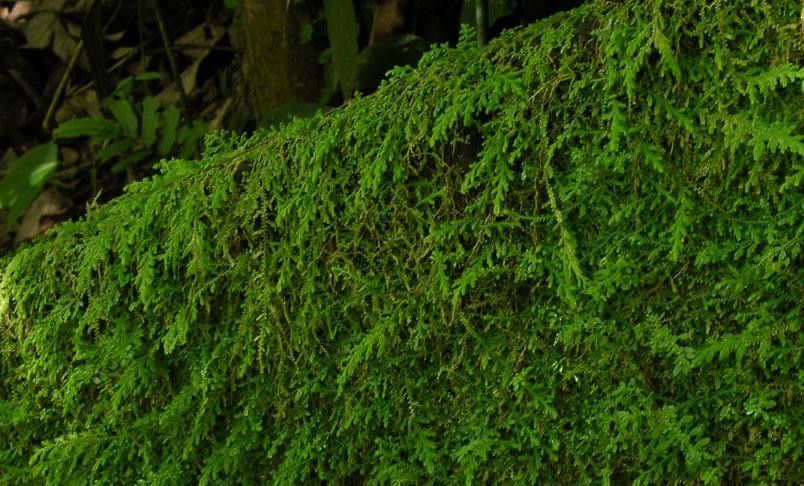
Selaginella flagellata, also known as the “Spikemoss” or “Resurrection Plant,” is a captivating greenery with its mossy appearance and remarkable resilience. Often mistaken for ferns, these low-lying, delicate plants bring a unique touch to indoor spaces. But the true magic lies in the ease with which they can be propagated.
A Closer Look at Selaginella Flagellata
Selaginella flagellata is a member of the Selaginella genus, a group of ancient plants that predate dinosaurs. Their “resurrection” characteristic is fascinating: when dried out, they curl up into a brown, seemingly lifeless ball. But with a sprinkle of water, they unfurl and regain their vibrant green color.
Unlocking the Secrets of Propagation
Selaginella flagellata can be easily propagated through two primary methods:
1. Division:
- Timing: Spring or early summer, when the plant is actively growing.
- Process:
- Carefully remove the plant from its pot.
- Gently separate the plant into smaller clumps, ensuring each section has healthy roots and foliage.
- Repot each division into individual pots filled with well-draining potting mix.
- Water gently and place in a bright, indirect light location.
2. Stem Cuttings:
- Timing: Any time of year, but spring and summer are ideal.
- Process:
- Take a 3-4 inch long stem cutting from a healthy plant.
- Remove the lower leaves from the cutting.
- Dip the cut end in rooting hormone (optional).
- Place the cutting into a pot filled with moist potting mix.
- Cover the pot with a plastic dome or bag to create a humid environment.
- Place in a bright, indirect light location.
- Within a few weeks, new roots should develop. Remove the plastic cover and begin regular watering.
Tips for Success:
- Moisture is Key: Selaginella flagellata thrives in consistently moist environments. Water regularly, ensuring the potting mix stays damp but not soggy.
- Humidity is Essential: These plants love high humidity. Consider placing the pot on a pebble tray filled with water to increase humidity around the plant. You can also mist the leaves regularly.
- Bright, Indirect Light: Avoid direct sunlight, which can scorch the delicate foliage. A bright, indirect light location, like near a window that receives filtered sunlight, is ideal.
- Well-Draining Soil: Use a well-draining potting mix to prevent root rot.
- Temperature: These plants prefer moderate temperatures between 65-75°F (18-24°C). Avoid placing them in cold drafts or in direct sunlight during the hottest months.
A Touch of Green for Any Space
Propagating your Selaginella flagellata is a rewarding experience. Witnessing these resilient plants thrive, from tiny cuttings to flourishing colonies, is a testament to their adaptability. Whether you choose division or stem cuttings, the process is straightforward and enjoyable. So, why not give it a try and let the beauty of Selaginella flagellata flourish in your own home?