
Unlocking the Secrets of Selaginella moellendorffii: A Beginner’s Guide to Propagation
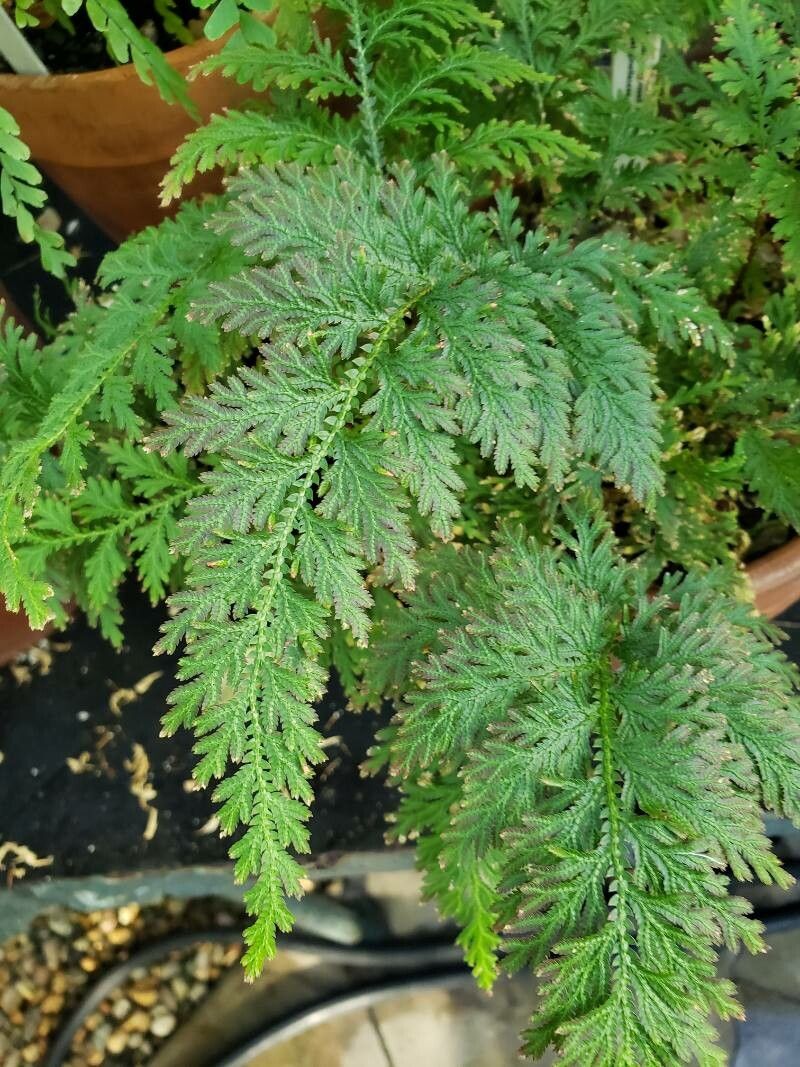
The delicate, fern-like fronds of Selaginella moellendorffii, often called “Spikemoss” or “Resurrection Plant,” draw plant enthusiasts in with their charm. But for many, the challenge of propagating this unique species can be daunting. This guide aims to demystify the process, empowering you to start your own little “Resurrection Plant” colony.
Why Propagate?
Propagation allows you to expand your collection of Selaginella moellendorffii, creating a lush tapestry of these fascinating plants. It also makes sharing your passion with fellow plant lovers a breeze. You can even use propagation as a refreshing way to revitalize tired or overgrown plants, giving them a new lease on life.
Decoding the Propagation Methods
Selaginella moellendorffii can be propagated through two main methods:
1. Division:
This method mimics nature’s way of spreading. Simply divide the plant’s root ball into smaller sections, each containing a healthy portion of stem and roots. Ensure each section has several healthy fronds. Plant these divisions in a suitable pot containing a well-draining potting mix, much like the original plant.
2. Spore Propagation:
This method is a bit more nuanced but offers incredible satisfaction. Selaginella moellendorffii reproduces via tiny spores, housed in sporangia, located at the base of the fronds. Here’s a breakdown of the process:
Collect the Spores: Gently shake mature fronds over a piece of paper to collect the spores. These are tiny, almost dust-like, and best collected in a dry environment.
Prepare the Spore Medium: A mix of peat moss and perlite, kept consistently moist, serves as an excellent medium for spore germination.
Sow the Spores: Sprinkle the spores onto the surface of the moist medium and gently mist with water.
Provide Ideal Conditions: Cover the container with clear plastic wrap, creating a humid environment. Keep the medium consistently moist and ensure bright, indirect light.
- Patience is Key: This process can take weeks, even months, for the spores to germinate. Be patient, and you’ll be rewarded with tiny seedlings sprouting.
Essential Tips for Success
The Right Soil: Select a well-draining potting mix, such as a blend of peat moss, perlite, and bark. This ensures proper drainage and aeration for the plant’s roots.
Humidity is crucial: Maintain a humid environment, which Selaginella moellendorffii thrives in. Using a humidity tray filled with pebbles and water can help. You can also mist the plant regularly.
Proper Light: Bright, indirect light is ideal. Avoid direct sunlight, as it can scorch the delicate fronds.
Water Wisely: Selaginella moellendorffii enjoys consistently moist soil but without being waterlogged. Water deeply when the top inch of soil feels dry, allowing excess water to drain.
- Avoid Overcrowding: As the plant grows, consider repotting it into a slightly larger container to provide adequate space for its roots.
Witness the Miracle of “Resurrection Plant”
Selaginella moellendorffii is known for its remarkable “resurrection” ability. When the plant is deprived of water, it curls up and appears dry. However, when watered, it rapidly rehydrates, regaining its lush, verdant appearance in a matter of hours. Witnessing this resilience is a testament to the plant’s remarkable adaptation.
So, embark on your own Selaginella moellendorffii propagation journey. With a little care and patience, you can enjoy the vibrant beauty of this unique plant and its captivating resilience.