
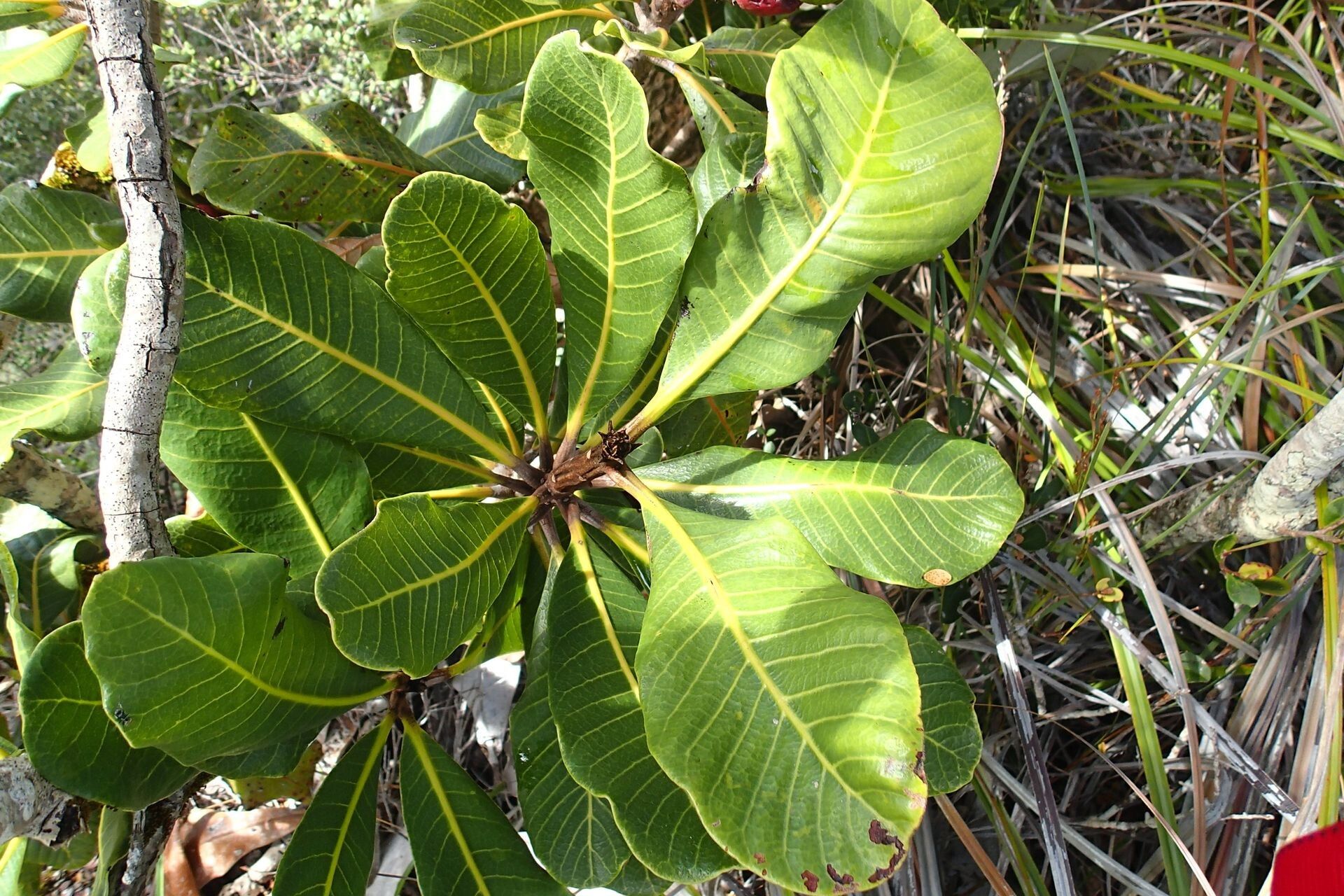
Propagating Semecarpus riparius: A Gardener’s Guide
Introduction
Semecarpus riparius, commonly known as the river mango or marsh cashew, is a captivating tropical tree prized for its striking appearance and adaptability. Its glossy leaves, attractive flowers, and unique fruit contribute to its growing popularity among gardeners seeking distinctive additions to their collections. However, propagating this species presents certain challenges, making successful cultivation a rewarding achievement for those willing to put in the effort. This article explores various propagation methods, highlighting their successes, challenges, and techniques.
Seed Germination
Currently, there are no known reliable methods for seed germination propagation of Semecarpus riparius. While seeds may be produced, their germination rate is extremely low, potentially due to factors like dormancy mechanisms and the need for specific environmental conditions not yet fully understood. Further research into seed pretreatment techniques, such as scarification or specific temperature stratification protocols, could potentially unlock viable seed germination in the future.
Cuttings
Propagating Semecarpus riparius from cuttings presents a more promising approach than seed germination. However, challenges remain. The primary difficulty lies in rooting success. Hardwood cuttings taken from mature, dormant wood in the late winter or early spring have shown a slightly higher success rate than softwood cuttings.
Challenges: Low rooting percentage; susceptibility to fungal diseases during rooting; consistent humidity and temperature control are crucial.
Practical Tips: Use a rooting hormone containing auxins; employ a well-draining propagation mix (e.g., perlite and peat moss); maintain high humidity using a propagator or humidity dome; ensure bottom heat (around 75-80°F/24-27°C) to stimulate root development; regularly check for signs of fungal infection.
Rewards: Faster propagation compared to seed germination; maintains genetic consistency of the parent plant.
Division
Division is not a practical propagation method for Semecarpus riparius. This tree develops a substantial taproot system, making division without severely damaging the plant extremely difficult.
Tissue Culture
Tissue culture offers the potential for efficient and large-scale propagation of Semecarpus riparius. This method bypasses many of the challenges associated with seed germination and cuttings.
Challenges: Requires specialized equipment and sterile laboratory conditions; expertise in plant tissue culture techniques is essential; potential for contamination; the optimization of culture media to induce shoot multiplication and root formation needs to be established for this species.
Practical Tips: Utilize established protocols for other related species in the Anacardiaceae family as starting points (adjusting as needed); aseptic technique is paramount to prevent contamination; careful selection of explant material (e.g., shoot tips, nodal segments).
Rewards: High propagation rates; potential for mass production of clones; disease-free plants; preservation of rare or desirable genotypes.
Conclusion
Propagating Semecarpus riparius presents unique challenges across all explored methods. While seed germination proves unreliable currently, cuttings offer a more realistic approach, albeit with a low success rate. Tissue culture emerges as the most promising method for large-scale propagation. The rewarding aspect lies in the unique satisfaction of successfully cultivating this fascinating tree, particularly given the hurdles involved. While the journey might be challenging, the beautiful result makes it all worthwhile. For aspiring propagators, we recommend starting with semi-hardwood cuttings, using appropriate rooting hormones and maintaining optimal environmental conditions. Further research into optimizing cutting propagation and developing efficient tissue culture protocols would be invaluable to make this beautiful species more readily available to gardeners worldwide.