
Unlocking the Secrets of Sempervivum Ciliosum Propagation: Watch Your Hens and Chicks Multiply!
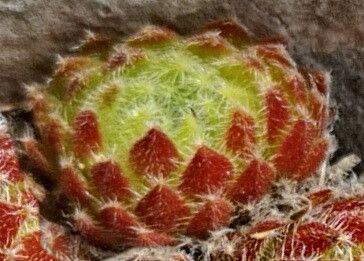
Sempervivum ciliosum, affectionately known as Hens and Chicks, are a delight for any gardener. These charming succulents form intricate rosettes of fleshy leaves, often with vibrant colors and captivating textures. But the real magic begins when you realize how easy they are to propagate, multiplying your collection exponentially!
Understanding the Basics
Before we delve into the techniques, let’s understand how Sempervivum ciliosum naturally propagates. The “Hen” is the main rosette, and it produces numerous “Chicks” – tiny rosettes that sprout on short stems around the mother plant. These babies are essentially clones, carrying the same genetic makeup as the parent.
Methods for Propagation:
1. Offsets (Chicks):
This is the most common and straightforward method.
- Timing: Spring and early summer are ideal as the plants are actively growing.
- Process:
- Identify healthy chicks that have developed small roots.
- Gently detach them from the mother plant using clean, sharp scissors or simply by twisting them off.
- Let the offsets callous over for a day or two in a shaded area.
- Plant them in well-draining soil mix, barely covering the roots.
2. Leaf Cuttings:
While not as common as using offsets, Sempervivum ciliosum can be propagated from leaf cuttings.
- Timing: Again, spring and early summer are best.
- Process:
- Select healthy, plump leaves from the outer edges of the rosette.
- Allow the leaves to callous for a day or two.
- Place the leaves on top of a well-draining soil mix, ensuring the base of the leaf is in contact with the soil.
- Mist lightly and keep the soil slightly moist.
- Tiny plantlets will emerge from the base of the leaf in a few weeks.
3. Seeds:
Propagating from seeds is less predictable in terms of replicating the parent plant’s characteristics, but it’s an interesting experiment for adventurous gardeners.
- Timing: Start seeds indoors 6-8 weeks before the last frost.
- Process:
- Sow seeds on the surface of a well-draining seed starting mix.
- Do not bury them; light aids germination.
- Mist the soil surface and cover the tray with a plastic dome to maintain humidity.
- Once the seedlings emerge, remove the dome and gradually expose them to more light.
Care for Newly Propagated Plants:
- Sunlight: Provide bright, indirect light, gradually acclimating them to full sun.
- Water: Water sparingly, allowing the soil to dry out completely between waterings. Overwatering can lead to root rot.
- Soil: Use a well-draining soil mix specifically formulated for cacti and succulents.
Tips for Success:
- Always use clean tools and pots to prevent the spread of diseases.
- Be patient! It takes time for new plants to establish themselves.
- Avoid overwatering, which is the most common reason for propagation failure.
- Embrace the joy of watching your Sempervivum ciliosum collection grow and flourish!
Propagating Sempervivum ciliosum is a rewarding experience that allows you to easily expand your plant family. With a little patience and the right techniques, you’ll be sharing these charming succulents with friends and family in no time.