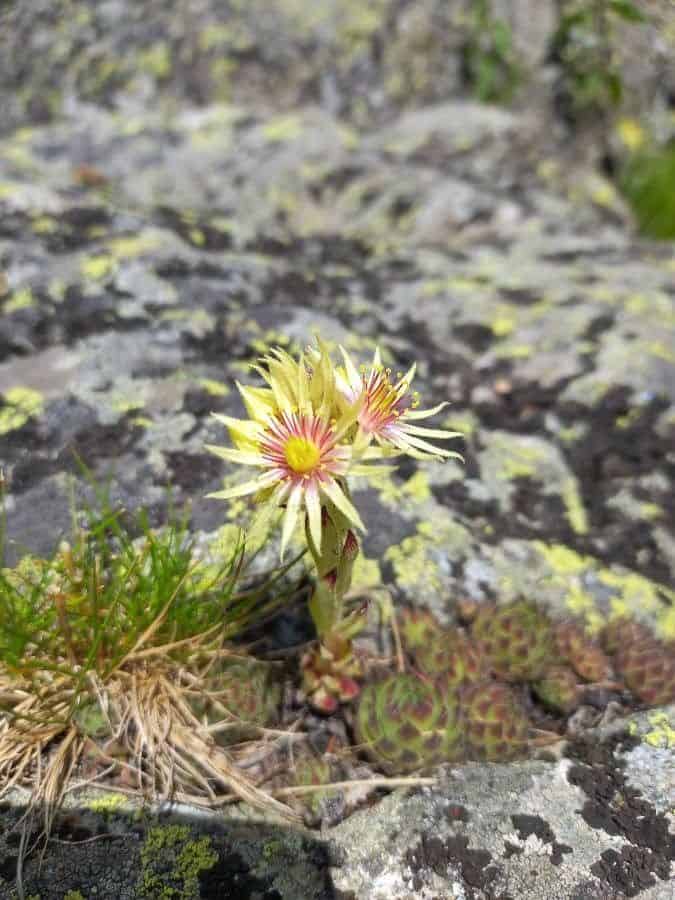
Propagating Sempervivum grandiflorum: The Joy of Multiplying Mountain Houseleeks
Sempervivum grandiflorum, commonly known as the large-flowered houseleek or mountain houseleek, is a captivating succulent prized for its striking rosettes of fleshy leaves and attractive, star-shaped flowers. Its hardiness and adaptability make it a popular choice among gardeners, particularly for rock gardens, containers, and even green roofs. Propagation, however, presents some unique challenges and rewards, varying significantly depending on the chosen method.
Seed Germination:
Currently, there are no known reliable methods for seed germination propagation of Sempervivum grandiflorum. While seeds are produced, their germination rate is notoriously low and inconsistent, making this method impractical for most home gardeners. Success would require specialized controlled environments and significant horticultural expertise.
Cuttings:
Cuttings offer a far more reliable and accessible method for propagating Sempervivum grandiflorum.
Challenges: The main challenge lies in ensuring proper callus formation before planting. If the cuttings are planted too soon, they are prone to rotting.
Practical Tips: Propagate using offsets (daughter rosettes) that have developed a good root system. Carefully remove these offsets from the mother plant, ensuring each offset has a few healthy leaves and ideally, a small root system. Allow them to dry for a few days to form a callus over the cut surface. Plant the cuttings in well-draining succulent potting mix, ensuring minimal contact with the soil around the leaves. Place in a bright, but not directly sunny location. Avoid overwatering.
Rewards: Cuttings offer a relatively quick and straightforward way to increase your Sempervivum grandiflorum collection, preserving the exact genetic characteristics of the parent plant.
Division:
Division is another effective technique for propagating Sempervivum grandiflorum, particularly for larger, established plants.
Challenges: Care must be taken to avoid damaging the root systems of both the mother plant and the divisions. Overcrowding can also lead to disease and poor growth.
Practical Tips: Divide the plant in spring or early autumn. Gently separate the offsets (or even larger sections) ensuring each has a substantial root system. Replant the divisions in well-draining soil, giving them ample space to grow.
Rewards: Division allows for the rapid multiplication of larger plants and can rejuvenate older, congested clumps.
Tissue Culture:
Tissue culture offers a highly effective but specialized approach to propagating Sempervivum grandiflorum.
Challenges: Tissue culture requires a sterile environment, specialized equipment, and a good grasp of sterile techniques. It’s generally not a viable option for home gardeners.
Practical Tips: This method requires a laboratory setting with sterile media, growth hormones, and specific protocols for explant preparation and culture maintenance.
Rewards: Tissue culture enables the mass production of genetically identical plants, ideal for commercial propagation or for preserving rare cultivars.
Conclusion:
Propagating Sempervivum grandiflorum successfully requires patience and attention to detail regardless of the chosen method. While seed propagation proves exceptionally difficult, cuttings and division remain reliable approaches for the home gardener. Tissue culture, although highly effective for large-scale propagation, demands specialized equipment and expertise. The inherent challenges of propagation only enhance the sense of accomplishment experienced when these beautiful plants thrive under your care. The gratifying result, a thriving colony of these hardy and resilient succulents, is a testament to your dedication and horticultural skill. For aspiring propagators, start with cuttings; master that technique, and you’ll be well on your way to enjoying a flourishing collection of these remarkable mountain houseleeks.