
Unlocking the Secrets of Sempervivum kosaninii Propagation: A Beginner’s Guide to Multiplying Your Mountain Beauties
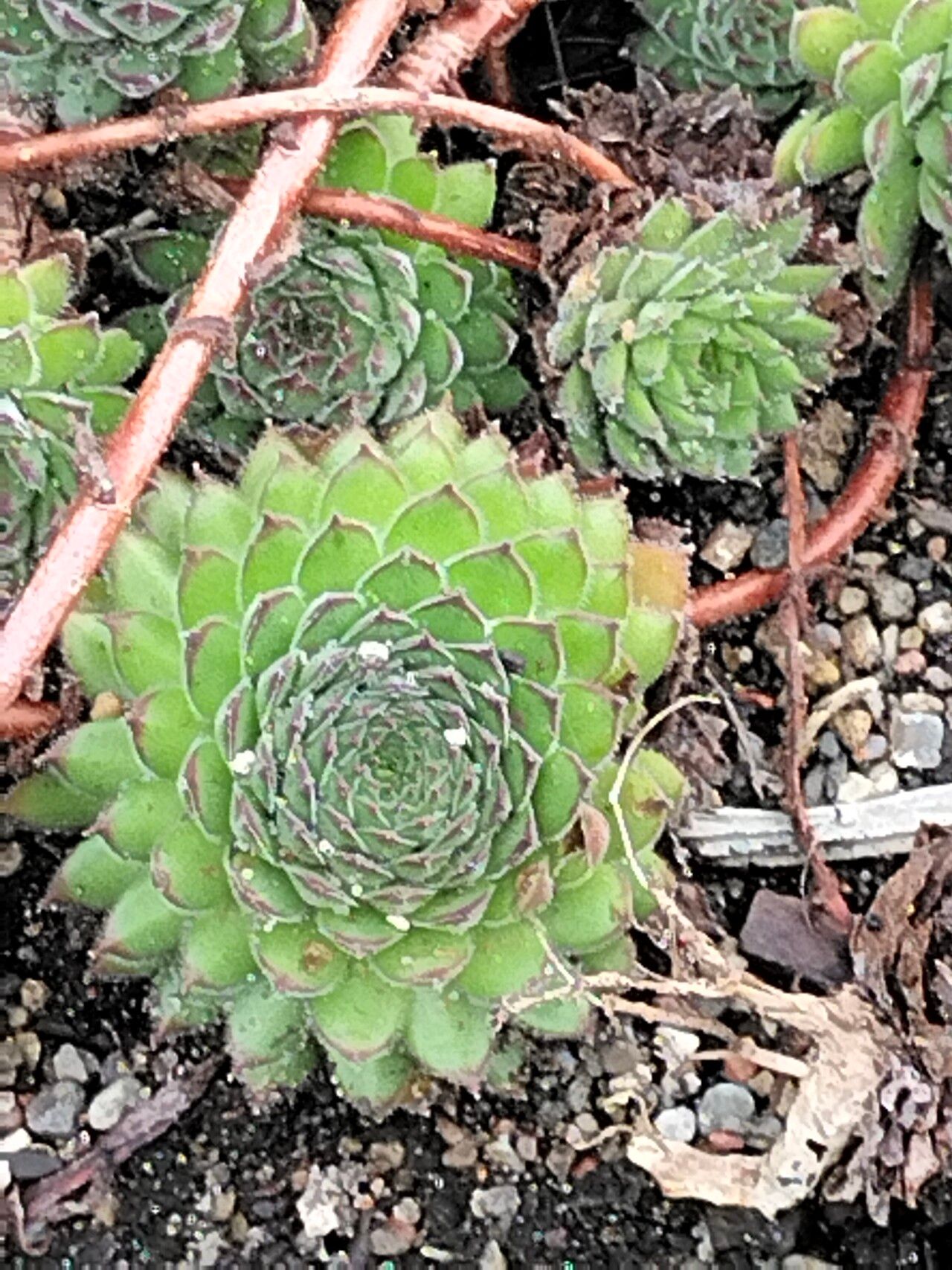
Sempervivum kosaninii, with its captivating rosettes of fleshy leaves tinged with shades of green, red, and purple, are a sight to behold. These hardy succulents, often referred to as “Hens and Chicks” due to their unique propagation method, are native to mountainous regions and thrive in well-drained soil and bright sunlight. While relatively low-maintenance, knowing how to propagate Sempervivum kosaninii allows you to expand your collection and share these alpine treasures.
This guide delves into the fascinating world of Sempervivum kosaninii propagation, providing you with the knowledge and confidence to multiply these resilient plants:
1. Understanding the Natural Process:
Sempervivum kosaninii are masters of survival, employing a clever strategy for propagation. The “Hen” is the mother plant, and she produces numerous offsets, affectionately known as ” Chicks.” These miniature rosettes sprout on stolons, short stems that grow out from the mother plant. Over time, the chicks develop their own root systems and can survive independently.
2. Two Paths to Propagation:
Division of Offsets (Chicks): The easiest and most common method is to carefully separate the offsets from the mother plant.
- Timing is Key: Spring and early summer, during the plant’s active growing season, are ideal for division.
- Gentle Hands: Use clean, sharp scissors or pruning shears to snip the stolon connecting the chick to the Hen. Ensure the offset has a good root system.
- Potting Up: Plant the separated chicks in well-draining soil, burying the roots and ensuring the rosette sits at soil level.
- Patience is a Virtue: Water sparingly and provide ample sunlight. With a bit of time, your new plants will establish themselves.
Leaf Cuttings: While slightly less common, propagating from leaf cuttings can be successful.
- Choose Wisely: Select healthy, plump leaves from the mother plant.
- Air Dry: Allow the leaves to callus over for a day or two in a shaded area.
- Create the Perfect Environment: Fill a shallow tray with a well-draining soil mix.
- Strategic Placement: Lay the leaves horizontally on the soil surface, slightly pressing them down.
- Indirect Light and Moisture: Place the tray in a location with bright, indirect light and mist the soil regularly to keep it lightly moist.
- Time to Root: Over several weeks, tiny rosettes will emerge at the base of the leaves, eventually developing into new plants.
3. Essential Tips for Success:
- Well-Draining Soil is Crucial: A gritty mix specifically formulated for succulents or cacti is essential to prevent root rot.
- Don’t Overwater: Sempervivum kosaninii are drought-tolerant and prefer infrequent, deep waterings. Allow the soil to dry out completely between watering sessions.
- Plenty of Sunlight is Key: Place your plants in a location that receives at least six hours of sunlight per day for optimal growth and vibrant colors.
- Fertilize Sparingly: During the growing season, a diluted fertilizer formulated for succulents can be applied once a month.
Propagation opens up a world of possibilities for your Sempervivum kosaninii collection. Whether you’re creating stunning succulent arrangements, sharing these unique plants with friends and family, or simply expanding your green haven, this guide equips you with the knowledge and techniques to become a propagation pro. Happy growing!