
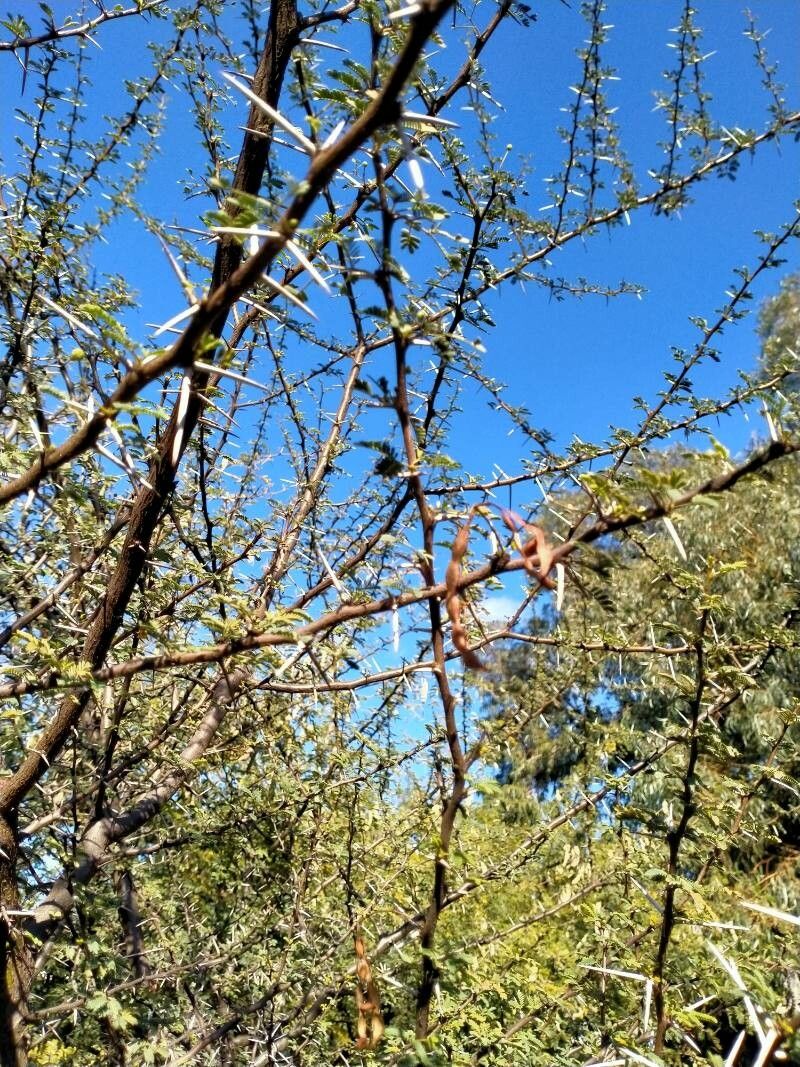
Taming the Desert Beauty: A Guide to Propagating Senegalia gilliesii
The “Senegalia gilliesii,” also known as the “Arbol de la Escoba” or “Fairy-duster tree,” is a captivating sight with its feathery foliage and vibrant, powder-puff blossoms. Native to the arid regions of South America, this hardy tree adds an exotic flair to landscapes while attracting a bevy of pollinators. Intrigued? Propagating your own Senegalia gilliesii might seem daunting, but with a little patience and the right approach, even novice gardeners can successfully cultivate this desert gem.
Two Paths to Success: Seeds vs. Cuttings
Senegalia gilliesii can be propagated through two primary methods: seeds and cuttings. Each technique offers its own set of advantages and challenges:
1. The Seed Route: Sowing the Future
- Pros: Starting from seed offers immense satisfaction and is often more economical, especially if you have access to a seed source.
- Cons: Germination can be unpredictable, and the process demands more time and attention to nurture the seedlings to a mature state.
Steps for Seed Propagation:
- Scarification: Senegalia gilliesii seeds possess a hard outer shell that requires scarification to enhance water absorption and promote germination. Gently nick or rub the seed coat with sandpaper or a file.
- Soaking: Soak the scarified seeds in warm water for 24 hours. This will further soften the seed coat and encourage sprouting.
- Sowing: Plant the seeds in a well-draining seed-starting mix, burying them about ¼ inch deep.
- Warmth and Moisture: Provide consistent warmth (around 70-75°F) and keep the soil consistently moist but not waterlogged.
- Patience: Germination can take anywhere from a few weeks to several months. Don’t lose hope!
2. Branching Out: Propagating from Cuttings
- Pros: This method generally results in quicker establishment and bypasses the uncertainties of seed germination.
- Cons: Finding healthy cuttings might be challenging, and success rates can vary based on the cutting’s age and the time of year.
Steps for Cutting Propagation:
- Cut Selection: Choose healthy, semi-hardwood cuttings from new growth, ideally in late spring or early summer. The cutting should be about 4-6 inches long.
- Preparation: Remove leaves from the lower half of the cutting. Dip the cut end in rooting hormone to enhance root development (optional but recommended).
- Planting: Insert the cutting into a well-draining potting mix, burying at least two nodes below the soil surface.
- Humidity is Key: Cover the cutting with a clear plastic bag or humidity dome to create a warm, humid environment.
- Root Development: It can take several weeks for roots to develop. Once you observe new growth, it’s a sign that rooting has been successful.
Nurturing Your Senegalia gilliesii
Whether you’ve successfully germinated seeds or rooted cuttings, providing optimal growing conditions is paramount for healthy plant development:
- Sunlight: Senegalia gilliesii thrives in full sun. Ensure your plant receives at least 6 hours of direct sunlight daily.
- Soil: Well-draining soil is crucial. Amend heavy clay soils with sand or grit to improve drainage.
- Watering: While drought-tolerant once established, young plants need regular watering. Water deeply when the top inch of soil feels dry.
- Pruning: Prune regularly to maintain shape and remove dead or diseased branches.
Propagating Senegalia gilliesii is a rewarding endeavor, allowing you to cultivate a captivating piece of the desert landscape. With patience and care, you’ll be rewarded with the enchanting beauty of this unique tree.