
Taming the Thorny Beauty: Propagating Senegalia riparia
Senegalia riparia, also known as the thorny rope acacia or prickly acacia, is a fascinating plant with a dual personality. On one hand, it’s a vital part of its native African ecosystem, providing shade, enriching the soil, and offering sustenance to wildlife. On the other hand, its aggressive growth and thorny nature have earned it a reputation as an invasive species in some parts of the world.
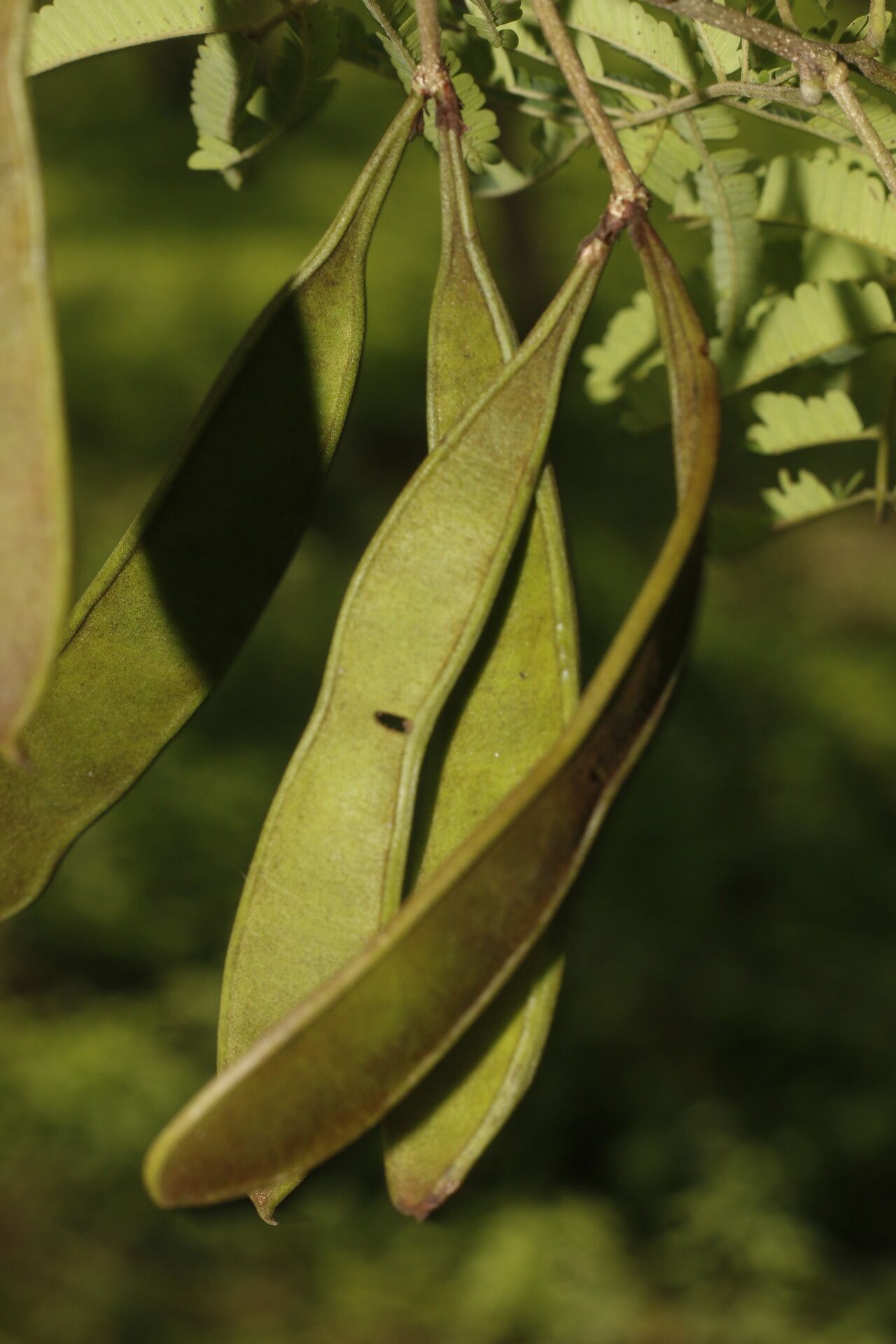
Despite this duality, there’s no denying the elegant beauty of its feathery foliage, fragrant yellow puffball flowers, and intricately twisting seed pods. If you’re interested in cultivating this unique plant, either in its native habitat or under controlled conditions, understanding its propagation methods is key.
Seeds: The Journey from Pod to Plant
Senegalia riparia generously produces seeds encased within distinctive twisted pods. These pods, once mature and dry, offer a treasure trove of potential new plants. Here’s how to get started:
- Seed Collection and Preparation: Harvest mature, dry pods directly from the plant. These pods will be brown and brittle. Extract the seeds, which are small and brown or black.
- Scarification: Senegalia riparia seeds possess a hard outer coating that requires scarification to promote germination. You can achieve this by gently nicking the seed coat with a file or sandpaper, or by soaking the seeds in hot (not boiling) water for 24 hours.
- Sowing: Sow the scarified seeds in a well-draining seed-starting mix, covering them lightly with soil. Maintain consistent moisture and warmth (around 70-75°F or 21-24°C).
- Patience is Key: Germination can take anywhere from a few weeks to several months. Don’t be discouraged if you don’t see sprouts immediately.
Cuttings: A Shortcut to Established Plants
For a quicker method, consider propagating Senegalia riparia from cuttings:
- Timing is Everything: Take cuttings during the active growing season, ideally in spring or early summer.
- Selecting the Right Material: Choose healthy, semi-hardwood stems that are about 4-6 inches long. Avoid sections with flowers or seed pods.
- Preparing the Cutting: Remove leaves from the lower half of the stem. Dip the cut end in rooting hormone (optional but recommended).
- Planting and Care: Plant the prepared cutting in a pot filled with a well-draining potting mix. Keep the soil consistently moist and provide indirect sunlight.
- Rooting Success: Within several weeks, the cutting should develop roots. You can gently tug on the stem to check for resistance, signaling successful rooting.
Important Considerations:
- Thorns: Remember that Senegalia riparia is aptly named. Wear gloves when handling seeds, pods, or cuttings to avoid the sharp thorns.
- Invasive Potential: Before planting Senegalia riparia, research its status in your region. In some areas, it’s considered invasive and may require special permits or containment strategies.
By understanding the propagation methods of Senegalia riparia, you can successfully cultivate this intriguing plant while appreciating both its beauty and potential challenges. Whether you choose to start from seed or cuttings, with patience and care, you can witness the fascinating life cycle of this tenacious species.