
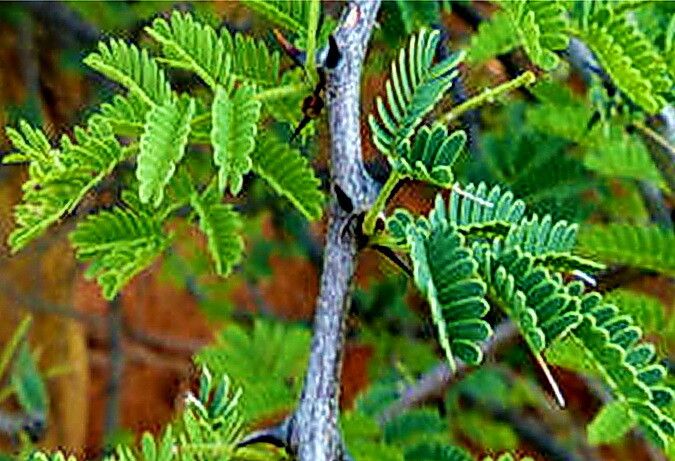
Unlocking the Secrets of Senegalia Senegal Propagation: A Guide to Growing Your Own Gum Arabic Tree
The Senegalia senegal, more commonly known as the gum arabic tree, is a fascinating species native to the Sahel region of Africa. Valued for its production of gum arabic, a natural emulsifier used in everything from food to pharmaceuticals, this resilient tree is also a symbol of sustainability and resilience in arid environments.
If you’re interested in growing your own Senegalia senegal, understanding its propagation methods is crucial. While it may seem daunting, successfully growing this tree is a rewarding experience, bringing a touch of the African savanna to your own backyard (or windowsill!).
This comprehensive guide will unlock the secrets of Senegalia senegal propagation, providing you with the knowledge and confidence to cultivate this remarkable tree.
Two Paths to Propagation: Seeds vs. Cuttings
Senegalia senegal can be propagated by two primary methods: seeds and cuttings. Each technique comes with its own set of advantages and considerations:
1. Seed Propagation: A Journey from Seed to Sapling
- Advantages: Seed propagation is generally the easiest and most accessible method for home growers. Seeds are widely available online and offer a greater genetic diversity compared to cuttings.
- Process:
- Scarification: Senegalia senegal seeds have a hard outer coating that needs to be nicked or slightly abraded (scarified) to improve water absorption and germination rates. Soaking the seeds in hot water for 24 hours is usually sufficient.
- Sowing: Plant the scarified seeds in a well-draining seed starting mix, about 1/2 inch deep.
- Environmental Conditions: Provide warmth (70-80°F) and consistent moisture for optimal germination, which usually occurs within 2-4 weeks.
- Transplanting: Once seedlings are a few inches tall and all danger of frost has passed, they can be transplanted outdoors in a sunny location with well-drained soil.
2. Cutting Propagation: Cloning for Quicker Results
- Advantages: Growing from cuttings allows for faster growth and ensures that the new plant will exhibit the same characteristics as the parent tree.
- Process:
- Cutting Selection: Take semi-hardwood cuttings, about 4-6 inches long, from healthy branches during the growing season.
- Hormone Treatment: Dip the cut end of the cutting in rooting hormone to encourage root development.
- Planting: Plant the cuttings in a well-draining rooting medium and place them in a warm, humid environment.
- Rooting: It can take several weeks for roots to develop. Once the cuttings show signs of new growth, they can be carefully transplanted into individual pots.
Nurturing Your Senegalia Senegal
Whether you choose to propagate from seeds or cuttings, providing the right care is vital for your Senegalia senegal to thrive:
- Sunlight: This sun-loving tree needs at least 6 hours of direct sunlight daily.
- Soil: Well-drained, sandy soil is ideal.
- Watering: Water deeply but infrequently, allowing the soil to dry out between watering sessions. Senegalia senegal is relatively drought-tolerant once established.
- Fertilizer: While not a heavy feeder, a balanced fertilizer can be applied during the growing season.
Growing your own Senegalia senegal is a rewarding endeavor, offering a unique connection to the landscapes and cultures of Africa. By following these propagation techniques and providing attentive care, you can enjoy the beauty and benefits of this remarkable tree for years to come.