
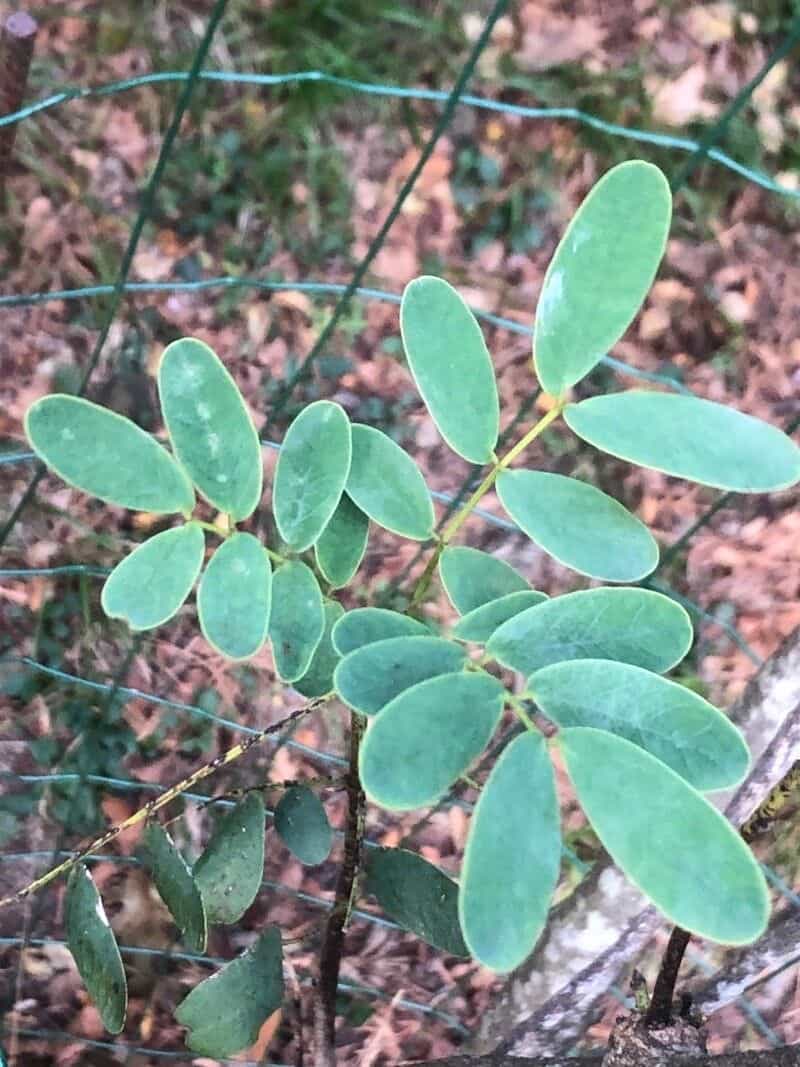
Unlocking the Secrets of Senna candolleana Propagation: A Guide to Growing This Sun-Loving Beauty
Senna candolleana, also known as the Golden Wonder Senna or the Pope’s Senna, is a true showstopper in the garden. This semi-evergreen shrub explodes with vibrant yellow blossoms during the warmer months, attracting a flurry of pollinators with its cheerful display. While admiring its beauty is a joy, wouldn’t it be wonderful to multiply your sunny delight? Thankfully, propagating Senna candolleana is an achievable feat, even for novice gardeners. So, let’s delve into the secrets of growing more of this sun-loving wonder!
Two Paths to Propagation:
Senna candolleana generously offers two main methods for propagation: seeds and cuttings. Each technique holds its own set of advantages, and choosing the right one largely depends on your available resources and personal preference.
1. The Magic of Seeds:
- Collecting Seeds: After the vibrant blooms fade, Senna candolleana gifts you with seed pods. Allow these pods to dry completely on the plant, turning a dark brown or black. Once brittle, collect the pods and gently crush them to release the small, brown seeds within.
- Sowing the Seeds: Senna seeds benefit from a little encouragement to break their dormancy. Lightly scarify the seeds by gently rubbing them between two pieces of sandpaper. Next, soak them in warm water for 24 hours before sowing. Plant the seeds in a well-draining seed starting mix, covering them lightly with soil.
- Providing Optimal Conditions: Place your seed trays in a warm, bright location, maintaining a temperature around 70-75°F (21-24°C). Keep the soil consistently moist but not waterlogged. With patience and care, you should see germination within 2-4 weeks.
2. The Art of Cuttings:
- Taking Cuttings: The ideal time to take cuttings is during the active growing season, typically late spring or early summer. Choose healthy, non-flowering stems that are about 4-6 inches long. Using a sharp, sterilized knife or pruning shears, make a clean cut just below a leaf node.
- Preparing and Planting the Cuttings: Remove the lower leaves from the cutting, leaving only a few at the top. Dip the cut end in rooting hormone (optional but recommended). Plant the cuttings in a well-draining potting mix, burying at least two leaf nodes below the soil line.
- Encouraging Root Development: Place the cuttings in a warm, bright location, out of direct sunlight. Maintain a humid environment by covering the pot with a plastic bag or using a propagation dome. Water regularly, keeping the soil consistently moist. Rooting typically occurs within 4-8 weeks.
Post-Propagation Care:
- Once your seedlings or cuttings have developed a strong root system and show signs of new growth, you can transplant them into larger individual pots or directly into your garden.
- Choose a sunny location with well-draining soil.
- Water regularly, especially during dry periods, but avoid overwatering, which can lead to root rot.
- Fertilize regularly during the growing season with a balanced fertilizer to promote healthy growth and abundant blooms.
Propagating Senna candolleana is a rewarding endeavor that allows you to expand your garden with minimal cost while deepening your connection with this sunny beauty. With a little patience and care, you’ll be rewarded with a bounty of these vibrant shrubs, their golden blooms illuminating your outdoor space for years to come.