
Unlocking Nature’s Magic: Propagating the Enchanting Senna hebecarpa
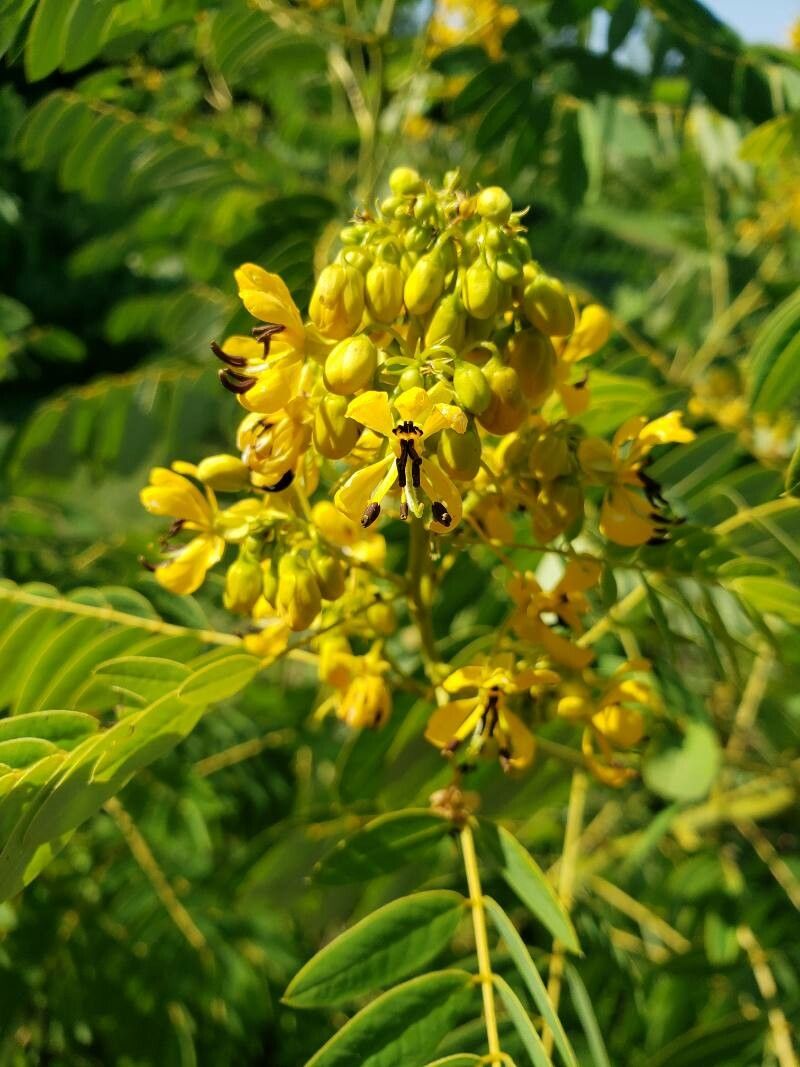
Ah, the Senna hebecarpa, a plant that whispers of summer with its vibrant yellow blossoms and delicate foliage. Known for its medicinal properties and enchanting beauty, this plant is a delight to cultivate. But how do you ensure this charm continues? By learning the art of propagation!
Seeds: A Journey of New Beginnings
Propagation through seeds is a wonderfully satisfying way to introduce new life to your garden. Senna hebecarpa seeds are relatively easy to germinate.
Here’s what you’ll need:
- Fresh seeds: Ideally, collect seeds from mature pods that have naturally dried on the plant.
- Well-draining potting mix: Choose a mixture that holds moisture but allows for good drainage to prevent root rot.
- Small seed trays or pots: These should have drainage holes.
- Warm location: A sunny windowsill or a heated propagator is ideal.
Steps to Success:
- Prepare the seeds: To break the seed coat’s dormancy, soak them in warm water for 24 hours.
- Fill the trays: Fill your seed trays with potting mix, lightly press the surface, and sprinkle the seeds evenly.
- Cover the seeds: Lightly press the seeds into the soil, but don’t bury them too deep. Cover the seeds with a thin layer of vermiculite or peat moss.
- Water gently: Mist the surface of the soil with a fine sprayer to keep it moist.
- Place in a warm location: Aim for temperatures between 75-85°F (24-29°C) for optimal germination.
- Maintain consistent moisture: Check the soil daily for moisture and water as needed.
- Germination: Seeds should germinate within 1 to 2 weeks.
- Hardening off: Once seedlings have a few true leaves, gradually acclimate them to outdoor conditions before transplanting.
Cuttings: Sharing the Joy
While seeds offer a fresh start, cuttings allow you to share a piece of your existing Senna hebecarpa with friends or fill your garden with more of this vibrant plant.
Here’s what you’ll need:
- Sharp, sterile knife: This helps to create clean cuts for better rooting.
- Rooting hormone (optional): This can encourage quicker root development.
- Rooted cutting mix: A blend of peat moss and perlite is ideal for rooting cuttings.
- Small pots or propagation trays: Ensure they have drainage holes.
Steps to Success:
- Choose the cuttings: Select healthy, non-flowering stems, ideally from new growth. Cuttings should be 4-6 inches long.
- Make the cut: Using your sterile knife, make a clean cut just below a leaf node. Remove lower leaves from the cutting.
- Dip in rooting hormone: If using rooting hormone, dip the base of the cutting into the powder.
- Prepare the pots: Fill pots with rooting mix, leaving a little space at the top. Make a small hole for each cutting.
- Insert the cuttings: Gently insert the cuttings into the holes, pressing the rooting mix firmly around the base.
- Water well: Keep the mix consistently moist, but not soggy.
- Place in a warm location: Place the pots in a bright but indirect location.
- Root development: With consistent care, cuttings should root within 4-6 weeks.
Enjoying the Bounty
Propagating Senna hebecarpa is a journey of patience and love. Once your seedlings or cuttings are established, transplant them into a sunny location with well-draining soil. With proper care, your Senna hebecarpa will reward you with its captivating beauty and potential medicinal benefits for many years to come. Remember, you are not just growing a plant, you are sharing a piece of nature’s magic.