
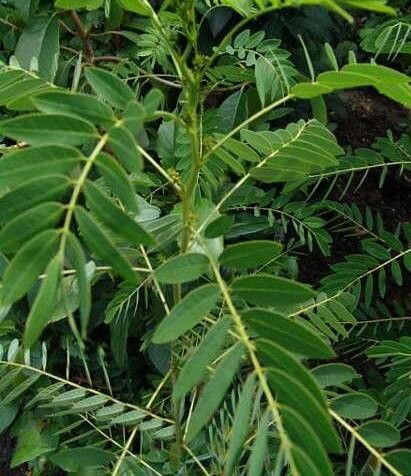
Unveiling the Secrets: How to Propagate Maryland Senna for a Showstopping Garden
Maryland Senna (Senna marilandica), also known as wild senna, is a North American native plant that boasts stunning golden-yellow flowers throughout the summer months. This pollinator magnet with its elegant foliage and architectural structure can truly elevate the aesthetic appeal of any garden. If you’re looking to multiply your stock or share the beauty of this plant with friends, propagation is the answer! Let’s delve into the techniques that will help you successfully expand your Maryland Senna collection.
Propagation by Seed: A Journey of Patience and Reward
Gather Ripe Seed Pods: As summer transitions into fall, keep a close eye on your Senna marilandica for the development of bean-like seed pods. Once these pods turn brown and dry, they are ready for collection.
Release the Seeds: Gently break open the pods to reveal the small, brown seeds hidden within. Each pod contains multiple seeds, providing you with ample opportunity for propagation.
Cold Stratification: Mimicking Nature’s Touch: Maryland Senna seeds benefit from a period of cold stratification, a process that simulates the chilling effect of winter and encourages germination. You can achieve this by storing the seeds in a moist paper towel within a sealed plastic bag placed in your refrigerator for 6-8 weeks.
Sowing Time: Spring is the ideal season for sowing your cold-stratified seeds. Choose a well-drained seed starting mix and plant the seeds about ¼ inch deep.
Warmth and Moisture: Place your seed trays in a warm location, maintaining consistent moisture. Germination typically occurs within 2-4 weeks.
- Transplanting Success: Once your seedlings develop a strong root system and several sets of true leaves, they are ready to be transplanted outdoors after the last frost has passed. Choose a sunny or partially shaded location with well-drained soil.
Propagation by Division: A Shortcut for Quicker Results
For a faster propagation method, division is the way to go. However, this technique is suitable for established plants that are at least 3-4 years old. Follow these steps:
Timing is Key: Early spring, before new growth emerges, or fall, after the plant has finished flowering, are the ideal times for division.
Gentle Excavation: Carefully dig around the base of the plant, ensuring you don’t damage the roots. Lift the entire clump from the ground.
Divide and Conquer: Using a sharp, clean garden spade or knife, divide the clump into sections, ensuring each section has a healthy root system and several growth points.
- Replanting: Place your divided sections in prepared planting holes that are the same depth as they were originally growing. Water thoroughly to encourage establishment.
Caring for Your Propagated Senna
Maryland Senna is a relatively low-maintenance plant. Regular watering, particularly during the first year after propagation, is crucial. Adding a layer of mulch around the base of the plant helps retain moisture and suppress weeds. Deadhead spent flowers to encourage continuous blooms throughout the season.
By following these propagation techniques and providing proper care, you can easily multiply your Maryland Senna collection. These stunning plants not only enhance the visual appeal of your garden but also support local pollinator populations. Happy gardening!