
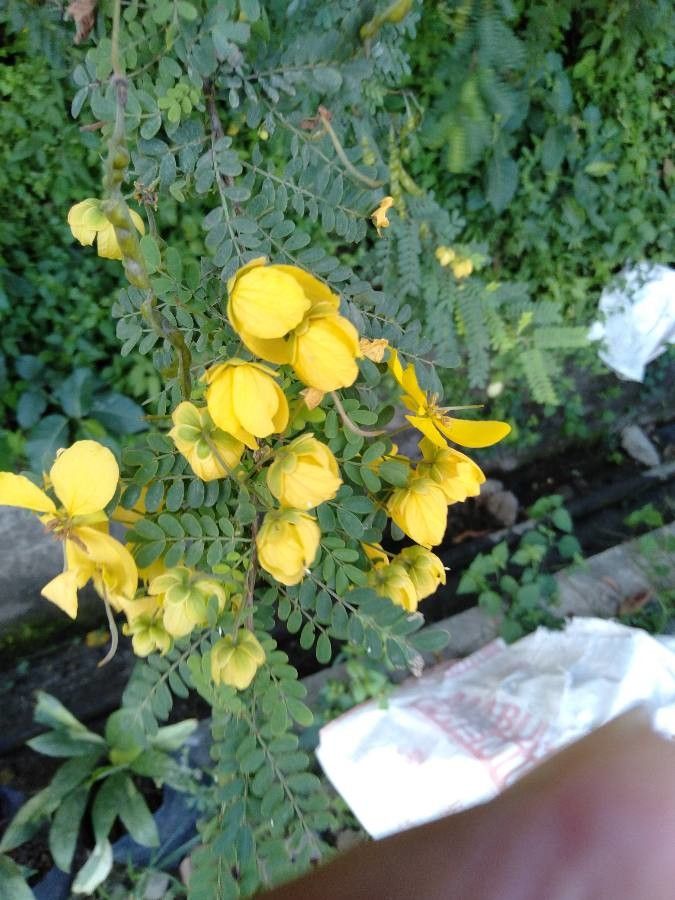
Propagating Senna pallida: A Gardener’s Guide to the Pale Senna
Introduction:
Senna pallida, commonly known as the pale senna or Christmas senna, is a charming shrub admired for its delicate, bright yellow flowers that bloom profusely, often around the Christmas season in warmer climates. Native to South America, this relatively low-maintenance plant is becoming increasingly popular among gardeners for its attractive foliage and vibrant floral display. Its adaptability and resilience make it a rewarding addition to any garden, but its propagation can present certain unique challenges. This guide explores the various methods of propagating Senna pallida, weighing the pros and cons of each.
Seed Germination:
Currently, there are no known reliable methods for seed germination propagation of Senna pallida. While seeds may be produced, they exhibit notoriously low germination rates, making this method impractical for most home gardeners. Further research into specific seed treatment techniques may be necessary to improve success rates.
Cuttings:
Cuttings offer a more reliable method for propagating Senna pallida.
Challenges: The success rate of propagation from cuttings can be variable depending on timing and technique. Hardwood cuttings taken in late autumn or winter may be less successful than softwood or semi-hardwood cuttings in spring or early summer.
Practical Tips: Take 4-6 inch cuttings from non-flowering stems. Remove lower leaves to prevent rotting and dip the cut end in rooting hormone. Plant the cuttings in a well-draining propagation mix, keeping the mix consistently moist but not waterlogged. A humidity dome or propagator can greatly increase success rates. Provide bright, indirect light.
Rewards: Cuttings offer a quick way to clone existing plants, preserving desirable characteristics. Compared to seed propagation, it ensures that the new plants are genetically identical to the parent plant.
Division:
Division is generally not a viable method for propagating Senna pallida. This shrub doesn’t readily lend itself to division due to its fibrous root system and generally solitary nature. Attempting to divide the plant often results in damage and reduced vigor.
Tissue Culture:
Tissue culture offers a potential, albeit complex, method for propagating Senna pallida.
Challenges: This method requires specialized equipment, a sterile environment, and a good understanding of plant tissue culture techniques. It’s not a practical method for the average home gardener. Costs can be significant.
Practical Tips: This technique requires expertise and access to a laboratory setting. Sterile conditions are crucial to prevent contamination. Specific media formulations are necessary for optimal growth and development.
Rewards: Tissue culture can produce a large number of genetically identical plants quickly. This technique makes large-scale propagation and commercial production of Senna pallida feasible.
Conclusion:
Propagating Senna pallida presents a unique set of challenges. While seed germination is currently unreliable, cuttings provide a viable path for the home gardener. Tissue culture offers potential for large-scale production but requires specialized knowledge and resources. The rewards of successful propagation – whether a single plant from a cutting or a whole batch from tissue culture – are significant. The vibrant yellow flowers and the satisfaction of nurturing a plant from a clipping to a mature shrub make the effort entirely worthwhile. For the average gardener, mastering the art of taking and rooting cuttings represents a very achievable and satisfying way to expand their collection of this delightful plant. Don’t be discouraged by initial setbacks; perseverance and a steady hand will lead to success.