
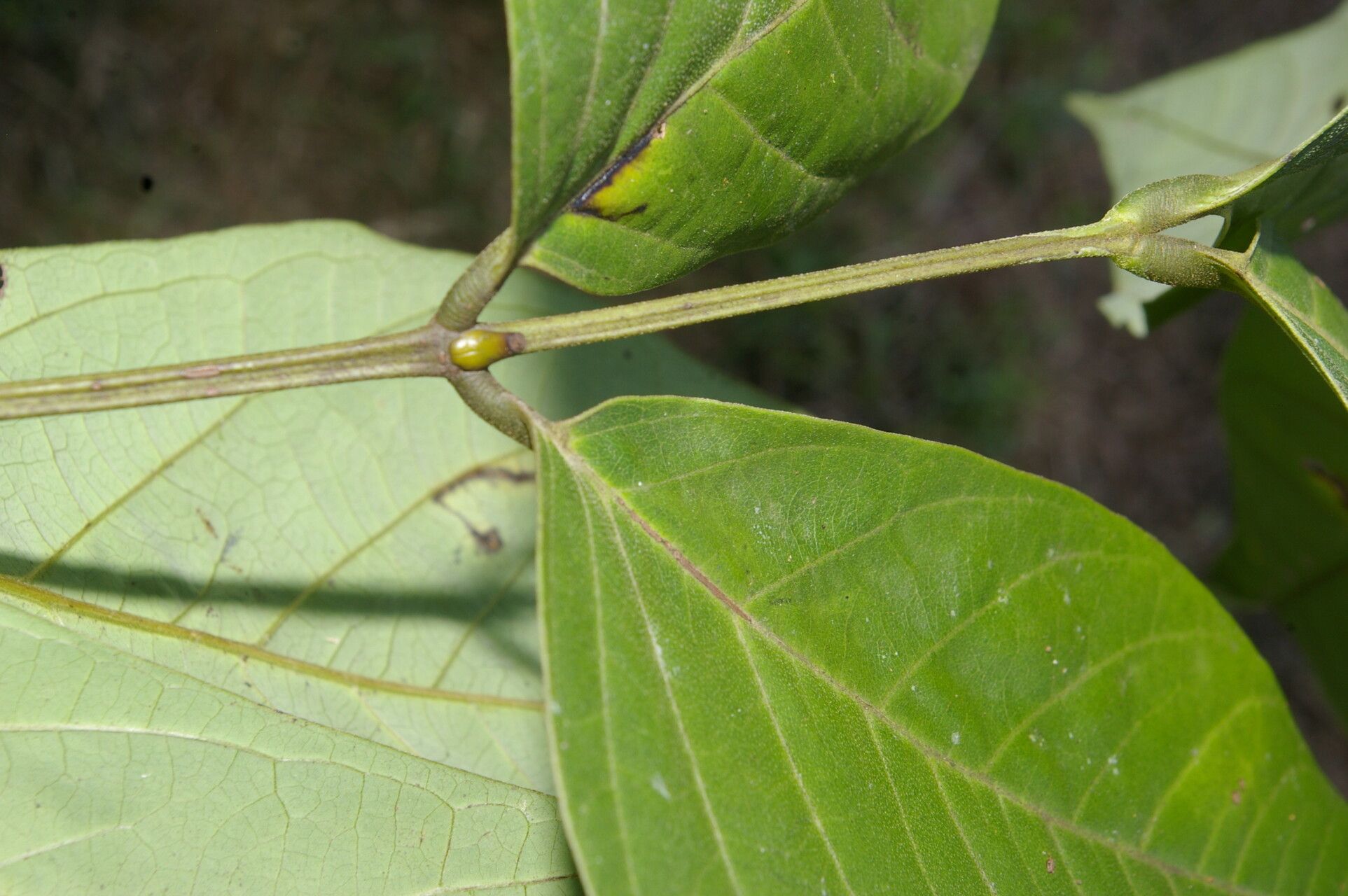
Waking the Desert Beauty: Propagating Senna Papillosa
Senna papillosa, with its vibrant yellow blooms and delicate foliage, brings a touch of sunshine to any garden, particularly those blessed with arid climates. This hardy desert dweller, also known as the Silver Senna or Desert Cassia, isn’t just a pretty face. It’s a low-maintenance marvel that attracts pollinators and adds a touch of vibrant green to otherwise dry landscapes. And the best part? Propagating Senna papillosa is an adventure you can easily embark on!
Two Paths to Propagation
Senna papillosa offers two primary methods of propagation:
1. Seed Germination: A Journey from Tiny Specks to Verdant Sprouts
- Harvesting Seeds: Keep an eye out for the flat, brown seed pods that appear after the blooms fade. Once dry, these pods hold the key to your propagation project! Simply crack them open to reveal the small, brown seeds within.
- Pre-treating for Success: Senna papillosa seeds possess a hard outer shell. Give them a helping hand by scarifying them. Gently nicking the seed coat with a file or sandpaper, or soaking them in warm water for 24 hours, will enhance germination rates.
- Sowing the Seeds: Plant the scarified seeds in a well-draining seed-starting mix, burying them about ¼ inch deep. Water lightly and ensure the soil remains consistently moist but not soggy.
- Patience is Key: Germination typically takes 1-3 weeks. Once your seedlings boast a few sets of true leaves, they’re ready to be transplanted into individual pots.
2. Cuttings: Creating Clones of Your Desert Star
- Timing is Everything: The best time for taking cuttings is during the plant’s active growing season, ideally in spring or early summer.
- Selecting the Perfect Cuttings: Choose healthy, non-flowering stems that are around 4-6 inches long. Make a clean cut just below a leaf node (where the leaf joins the stem).
- Preparing the Cuttings: Remove the lower leaves, leaving only a couple at the top. Dip the cut end in rooting hormone (optional, but recommended) to encourage root development.
- Creating a Cozy Home: Plant your cuttings in a pot filled with a well-draining mix, burying the bottom node.
- Creating a Humid Haven: Cover the pot with a plastic bag or use a humidity dome to maintain moisture and warmth. Keep the soil consistently moist.
- Rooting and Beyond: In a few weeks, your cuttings should develop roots. Once they seem established, you can gradually acclimate them to normal conditions before transplanting them to their final pots or garden bed.
Nurturing Your Senna Papillosa
Whether you choose to propagate from seed or cuttings, providing the right care is crucial for your Senna papillosa’s success:
- Sunlight is Key: This sun-loving plant thrives in at least 6 hours of direct sunlight per day.
- Well-Draining Soil is a Must: Senna papillosa is susceptible to root rot, so well-draining soil is essential. Choose a potting mix formulated for cacti and succulents.
- Water Wisely: While this plant tolerates drought conditions, regular watering during the growing season will lead to more vigorous growth and blooming. Allow the soil to dry out completely between watering sessions.
Propagating Senna papillosa is a rewarding experience that allows you to expand your garden with minimal effort. So put on your gardening gloves, embrace the adventure, and let these desert beauties brighten your world.