
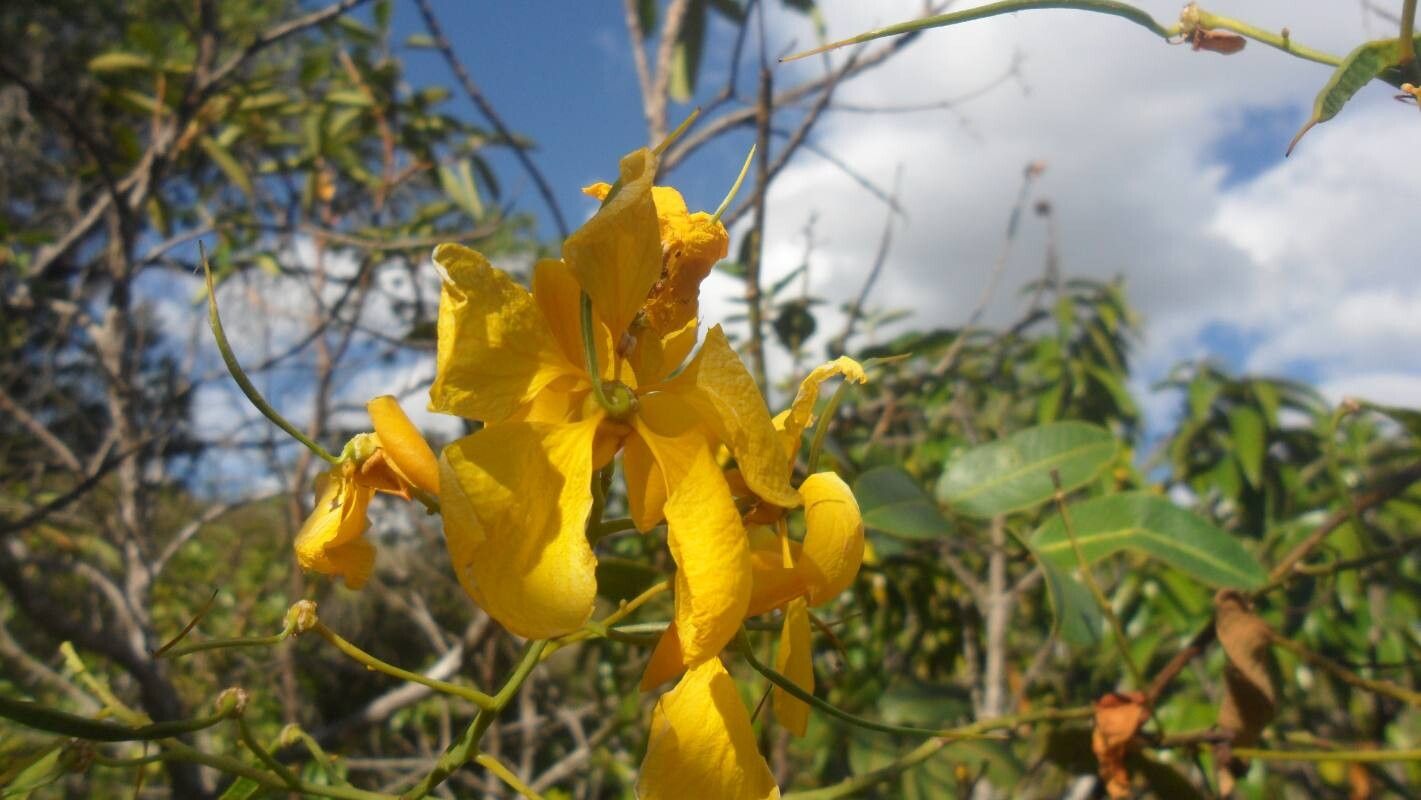
Propagating Senna rugosa: A Gardener’s Guide to the Coffee Senna
Introduction:
Senna rugosa, commonly known as Coffee Senna, is a captivating shrub renowned for its vibrant yellow flowers and attractive foliage. A native of tropical Asia, it’s gaining popularity among gardeners for its drought tolerance, relatively low maintenance, and striking aesthetic appeal. Its unique, slightly fragrant flowers offer a burst of colour, and its ferny foliage provides year-round interest. While its propagation isn’t always straightforward, the rewards of successfully cultivating this beautiful plant make the effort worthwhile. This article explores various methods of propagating Senna rugosa, detailing both the challenges and the potential successes.
Seed Germination:
Seed germination for Senna rugosa is viable, but presents challenges. The seeds possess a hard seed coat, which inhibits water uptake and germination. This requires pre-treatment to overcome dormancy.
Challenges: Seed dormancy, low germination rates.
Practical Tips: Scarification is crucial. Methods include gently nicking the seed coat with a file or sandpaper, or soaking seeds in hot water (approximately 80°C) for 15-20 minutes followed by a 24-hour soak in warm water. After scarification, sow seeds in a well-draining seed-starting mix, keeping the soil consistently moist but not waterlogged. Germination typically occurs within 2-4 weeks, but can be slower depending on conditions. Maintain warm temperatures (20-25°C) and adequate light.
Rewards: High genetic diversity amongst seedlings, potential for large-scale propagation, cost-effective method once established.
Cuttings:
Propagation from cuttings is viable and often more successful than seed propagation for Senna rugosa.
Challenges: Requires suitable rooting hormone and diligent care to prevent fungal infections. The success rate can vary depending on the time of year and the quality of the cuttings.
Practical Tips: Take semi-hardwood cuttings (about 6-8 inches long) from healthy, non-flowering stems in late spring or early summer. Remove lower leaves and dip the cut ends in rooting hormone. Plant cuttings in a well-draining propagation mix, such as a perlite and peat moss blend. Cover with a humidity dome or plastic bag to maintain high humidity. Keep the cuttings moist but not soggy and in bright, indirect light. Rooting generally takes 4-6 weeks.
Rewards: Produces plants that are genetically identical to the parent plant, resulting in consistent characteristics. Faster establishment than from seed.
Division:
Division of established Senna rugosa plants is a viable method, particularly for larger, well-established specimens.
Challenges: Requires a mature plant large enough to divide successfully without damaging the plant. The divided sections need careful handling to avoid root damage and ensure successful re-establishment.
Practical Tips: Divide the plant in spring or early autumn when the soil is workable. Carefully dig up the entire plant and gently separate the root system into several sections, ensuring each section has sufficient roots and stems. Replant in suitable, well-drained soil and water thoroughly.
Rewards: Relatively quick establishment as the divided plant already has an existing root system. A simple and effective method for increasing the number of plants.
Tissue Culture:
While tissue culture propagation is technically viable for Senna rugosa, it is usually not a practical method for home gardeners.
Challenges: Requires specialized equipment, sterile conditions, and extensive knowledge of plant tissue culture techniques. It’s a costly and time-consuming method.
Practical Tips: This method requires specialized laboratories and expertise. It’s generally more appropriate for large-scale commercial propagation.
Rewards: Potential for rapid multiplication of genetically identical plants, disease-free propagules.
Conclusion:
Propagating Senna rugosa presents unique challenges across all methods. Seed germination requires overcoming seed dormancy, cuttings demand careful attention to humidity and rooting, and division needs a mature plant. Tissue culture, although feasible, is beyond the reach of most home gardeners. However, the rewards – from the genetic diversity offered by seeds to the speed and consistency of cuttings – are well worth the effort. The vibrant yellow blooms of a successfully propagated Coffee Senna are a testament to the gardener’s patience and skill, a visual reward that makes the challenges worthwhile. For aspiring propagators, remember to start small, select healthy plant material, and be patient; success in propagating this beautiful shrub is achievable with careful planning and dedication.