
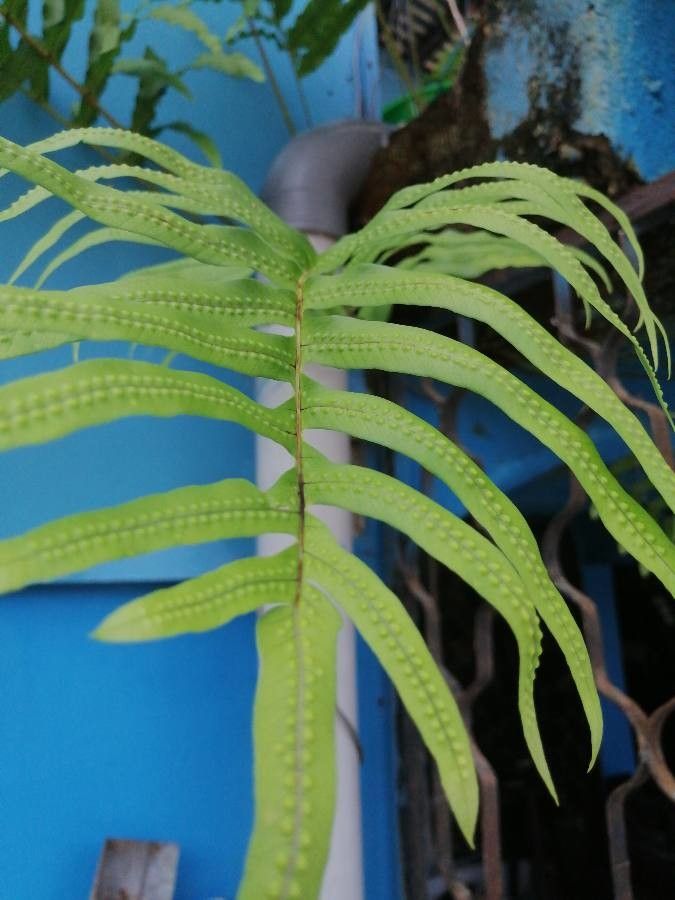
From One to Many: Propagating Your Serpocaulon Maritimum
The Serpocaulon maritimum, also known as the Sea Fern, is a stunning addition to any indoor garden. With its lush, feathery fronds and captivating, textured leaves, it’s easy to understand why this plant has gained popularity among plant enthusiasts. But what if you want to share the beauty of the Sea Fern with friends or simply expand your own collection? Here’s your guide to propagating Serpocaulon maritimum.
Understanding Propagation:
Propagation is the process of creating new plants from existing ones. For Serpocaulon maritimum, the most reliable and accessible methods are division and spore propagation.
1. Division:
This method involves separating a mature plant into individual sections, each possessing its own root system. Here’s how to do it:
- Choose the right time: Spring, when growth is active, is the ideal time.
- Prepare the plant: Gently loosen the soil around the plant and carefully remove it from its pot.
- Divide carefully: Use a sharp knife or pruning shears to separate the plant’s root ball into individual sections, ensuring each section has its own root system and several healthy fronds.
- Repotting: Plant the divided portions in fresh, well-draining potting mix. Water them thoroughly and place them in a bright, indirect light location.
2. Spore Propagation:
This method involves growing new plants from the spores that develop on the undersides of the fronds.
- Collect spores: When the spores reach maturity, they’ll appear as brown, powdery patches underneath the fronds. Use a brush or cotton swab to gently transfer the spores onto a clean piece of paper.
- Prepare the growing medium: Fill a small pot or tray with a sterilized mix of peat moss and vermiculite.
- Sow the spores: Lightly sprinkle the spores onto the surface of the medium and mist with water. Cover the pot with a plastic wrap to create a humidity dome.
- Patience is key: Place the pot in a bright, indirect light location and maintain a temperature of around 70-75 degrees Fahrenheit. It can take several weeks for the spores to germinate and grow.
Tips for Success:
- Use sterile tools: This prevents the introduction of disease and helps ensure healthy plant growth.
- Promote humidity: Serpocaulon maritimum thrives in humid environments. Mist the plants regularly or use a humidifier to maintain optimal humidity levels.
- Provide proper light: Sea Ferns prefer bright, indirect light, and avoid direct sunlight, which can scorch their leaves.
- Water Consistently: Keep the soil moist, but not soggy. Allow the top layer of soil to dry slightly between waterings to avoid overwatering.
Enjoy Your New Sea Ferns:
With a little patience and the right care, you can enjoy the beauty of Serpocaulon maritimum for years to come. Whether you choose to divide your existing plant or embark on the fascinating journey of spore propagation, the process of bringing new Sea Ferns into the world is a rewarding experience.